Kurt Tepe
Laying Quietly in Wait.
Tell Tale T-Forms Abound
In the dry plains of southeastern Anatolia, a quiet presence lies beneath the soil. While Göbekli Tepe has captured worldwide attention as the earliest known temple complex, another site within the Taş Tepeler archaeological landscape is slowly drawing scholarly interest: Kurt Tepesi. Long eclipsed by its celebrated neighbors, Kurt Tepesi is now emerging as a potentially vital element in understanding early Neolithic societies.
Situated in Türkiye’s Şanlıurfa province, Kurt Tepesi is part of the ambitious Taş Tepeler Project, a constellation of 14 archaeological mounds that collectively challenge conventional ideas about the origins of civilization. Sites such as Karahan Tepe, Sayburç, Sefer Tepe, and Harbetsuvan reveal that monumental construction, symbolic expression, and complex social organization flourished in the Fertile Crescent much earlier than once assumed.
Yet despite its inclusion in this remarkable network, Kurt Tepesi has remained largely absent from both popular media and academic discourse. This silence does not reflect insignificance. On the contrary, the site may offer rare insight into a transitional Neolithic phase—one bridging mobile foraging lifeways and more settled, symbolically rich communities.
Long Lying In Waiting?
Early surveys and preliminary excavation data suggest that Kurt Tepesi was far more than a peripheral settlement. Evidence points to deliberate construction, spatial organization, and possible ritual use. Fieldwork conducted under the Taş Tepeler initiative has identified subterranean structures, stone tools, and T-shaped pillars—fewer in number than at Göbekli Tepe, yet clearly part of the same architectural and symbolic tradition. These features align with the Pre-Pottery Neolithic period, roughly dated to 9500–8000 BCE.
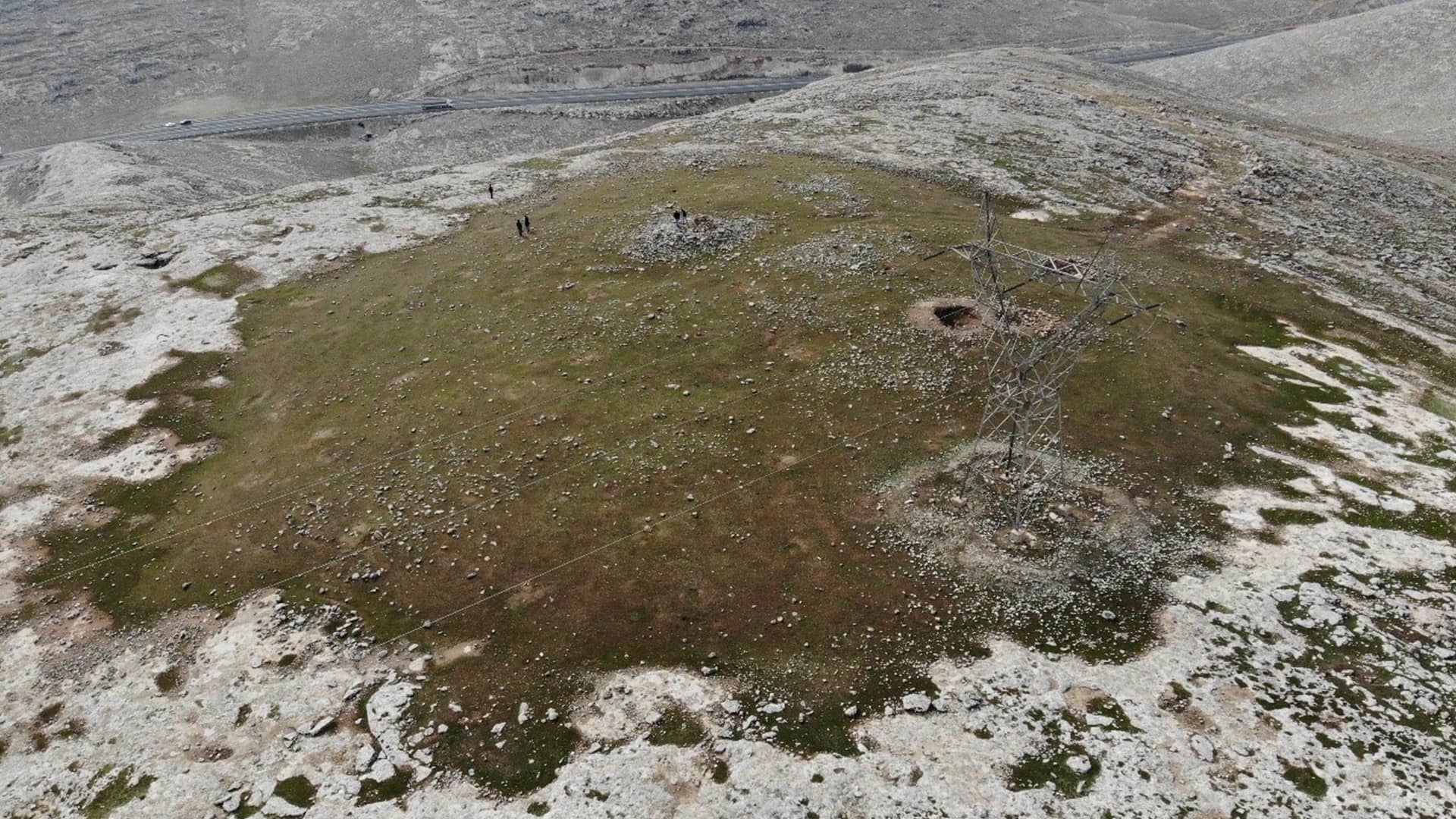
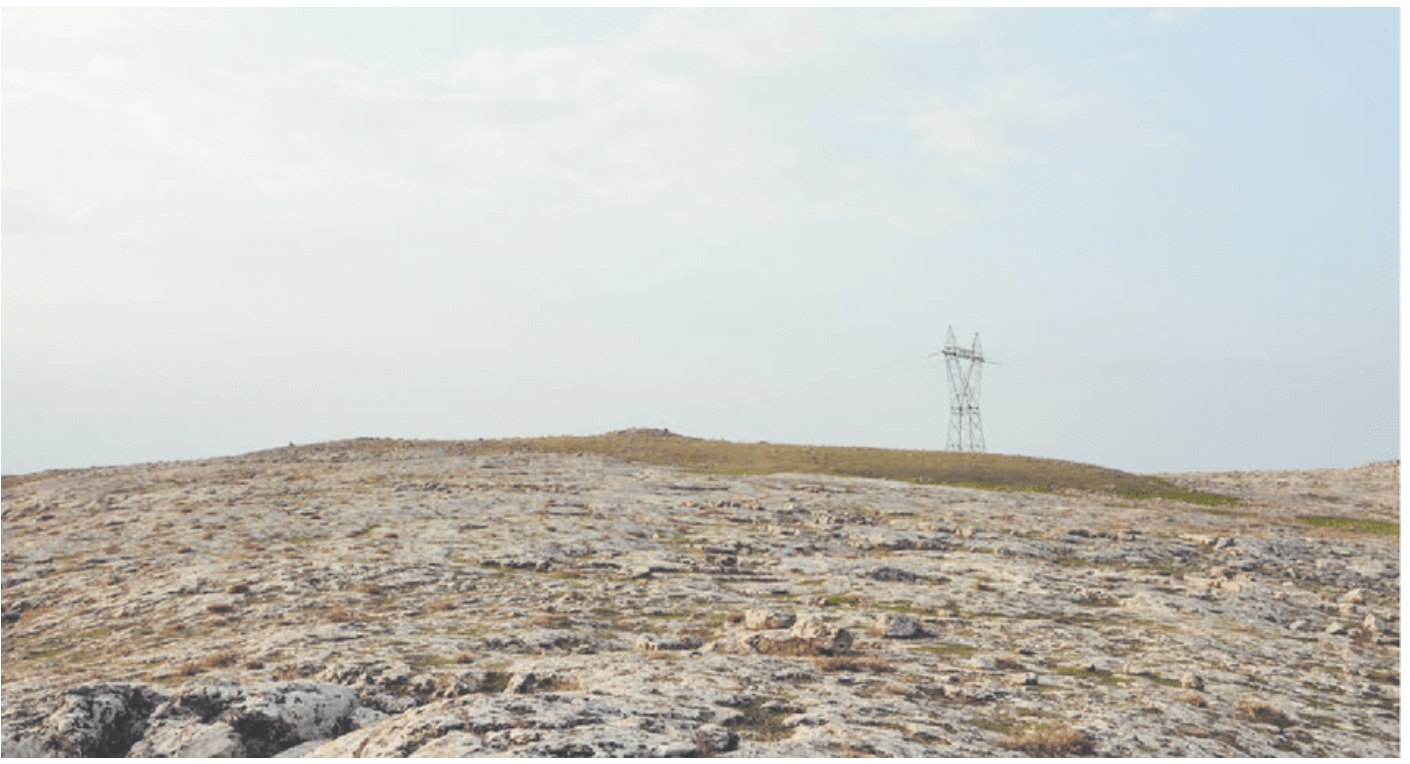
Kurt Tepesi was first documented in 2013 during systematic surveys in the Şanlıurfa region. Located about 47 kilometers east of the city center and 3 kilometers south of Sumaklı village, the mound sits at an elevation of approximately 730 meters above sea level. Known locally as Kuça Gura, the site occupies a ridge formed by calcareous plateaus, overlooking the Çoban Creek Pass—an important route linking the Harran Plain with the Viranşehir area. Modest in scale, the mound extends across roughly seven hectares.
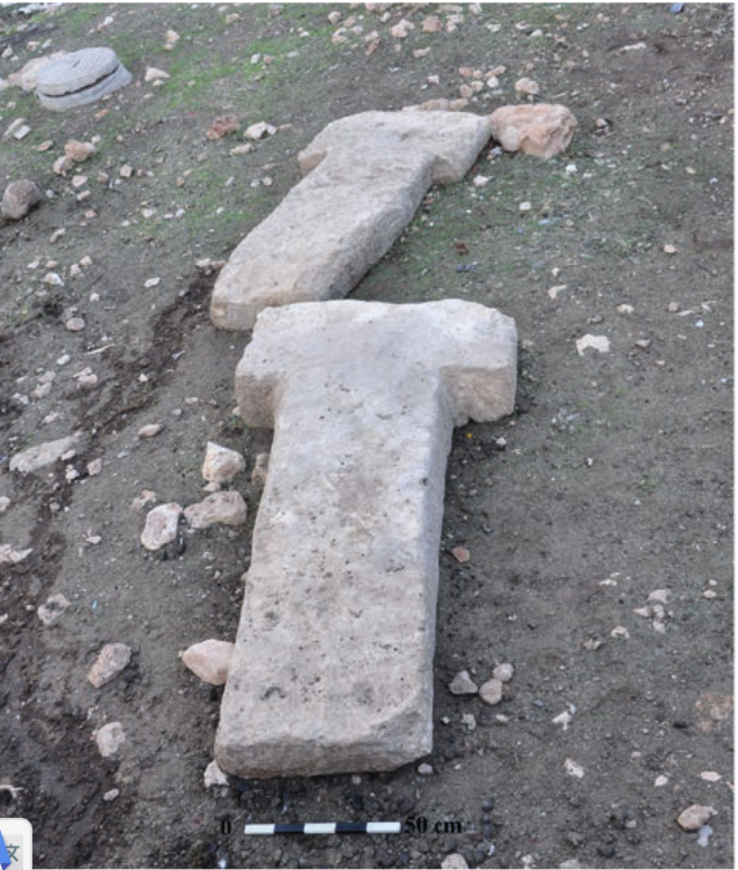
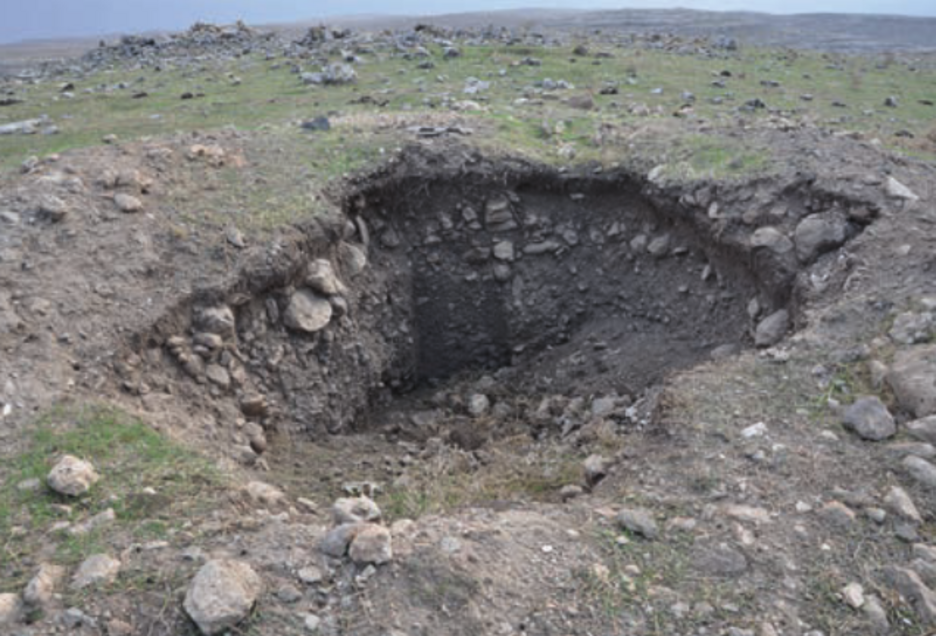
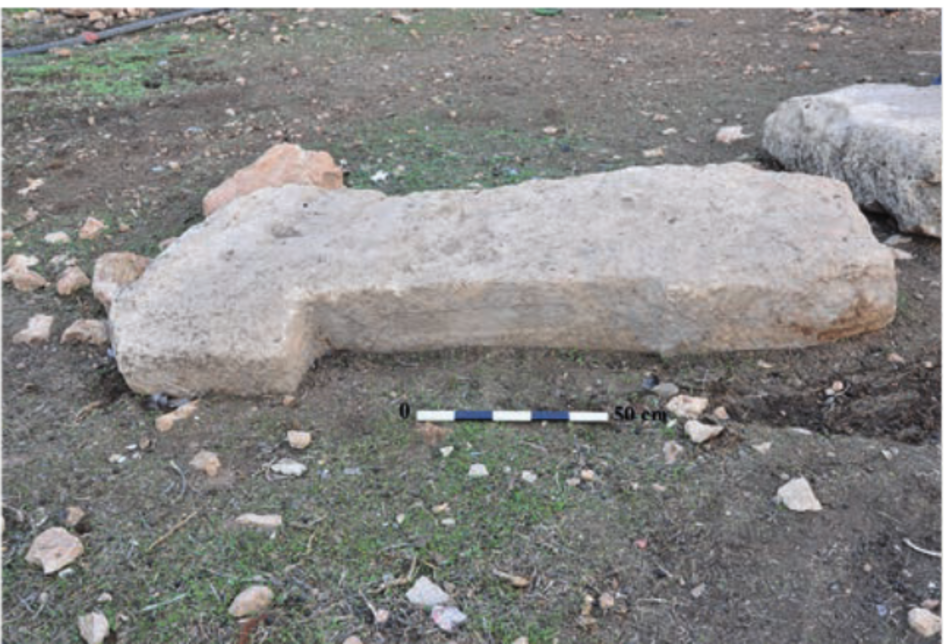
The site has not escaped modern damage. Illegal excavations have scarred its western side, and a high-voltage transmission pole now stands at its northern edge—stark reminders of how vulnerable even archaeologically rich landscapes remain. Around the mound are rock-cut niches, a limestone-carved pool, and quarry areas believed to have supplied stone for the site’s monolithic features. One T-shaped pillar, recovered from an illicit excavation pit, showed no evidence of ceramics, reinforcing its early Neolithic origin. Two additional pillars thought to originate from Kurt Tepesi were later found in Kösecik village, about six kilometers to the southeast.
These pillars measure roughly 2.5 meters in length and 50–70 centimeters in width, with a uniform thickness of around 25 centimeters. One bears a wide, tie-like groove and a single chevron band carved into a stripped side panel—motifs that distinguish it from the more familiar pillars of Göbekli Tepe or Nevali Çori. The second pillar is undecorated. Such differences suggest that while Kurt Tepesi shared a regional symbolic language, it also expressed localized ritual identities.
What truly sets Kurt Tepesi apart, however, is its apparent stratigraphic depth. Unlike sites interpreted primarily as ceremonial centers, Kurt Tepesi shows indications of sustained occupation. Pottery fragments, flint tools, and grinding stones point to everyday activities unfolding alongside symbolic architecture—a hybrid character still under investigation.
This coexistence of the sacred and the domestic offers a rare glimpse into early Neolithic worldviews. Rather than separating ritual from daily life, the inhabitants of Kurt Tepesi may have experienced them as inseparable. Food preparation and symbolic carving may have occurred in close proximity, perhaps even within the same spaces. Such evidence points not only to architectural hybridity, but to a cognitive one—a worldview in which meaning permeated daily routines and communal identity emerged through both subsistence and ceremony.
Were these places dwellings, sanctuaries, or something altogether different? Perhaps they were all at once—or something we have yet to name. Who can say with certainty?
Cultural Significance Within Taş Tepeler
Kurt Tepesi’s geography and material culture suggest strong connections to neighboring Taş Tepeler sites. Its position near fertile lowlands and routes leading toward the Euphrates hints at a strategic role within early human networks.
Archaeologists propose that sites like Kurt Tepesi may have served as gathering places for seasonal rituals, feasting, or exchange.
Increasingly, scholars also suspect that Kurt Tepesi may preserve evidence of regional variation in early symbolic systems. Differences in carving styles and spatial layouts compared to Göbekli Tepe or Karahan Tepe point toward diverse local traditions and belief structures. As excavations progress, these distinctions may illuminate how early communities understood space, memory, death, and the cosmos.
Why Kurt Tepesi is Important Today
In an age captivated by iconic sites, Kurt Tepesi reminds us that transformative stories often lie at the margins. It reflects a pivotal human shift—from transient lifeways to communities that built in stone and expressed meaning through shared ritual and art. Within the broader Taş Tepeler constellation, Kurt Tepesi reinforces the idea that civilization emerged not from a single extraordinary place, but from a network of interconnected human experiences across Anatolia.
Backed by the Turkish Ministry of Culture and Tourism and multiple academic institutions, the Taş Tepeler Project is expected to expand research at Kurt Tepesi in the coming years. As deeper layers are uncovered, the site may compel us to rethink long-held assumptions about the Neolithic imagination.
Silent for thousands of years, Kurt Tepesi is beginning to speak—and what it has to say may reshape our understanding of humanity’s earliest chapters.


