Sayburç: a fascinating glimpse into the Neolithic of Turkey
In the southern foothills of the Taurus Mountains, near the fertile Harran Plain, lies the archaeological site of Sayburç—one of Turkey’s most exciting discoveries in recent years. The coexistence of Neolithic and Roman remains at a single location offers a rare window into thousands of years of human habitation. This article traces the story of the excavations at Sayburç, from its initial discovery to the most recent findings in 2024.
The discovery of Sayburç
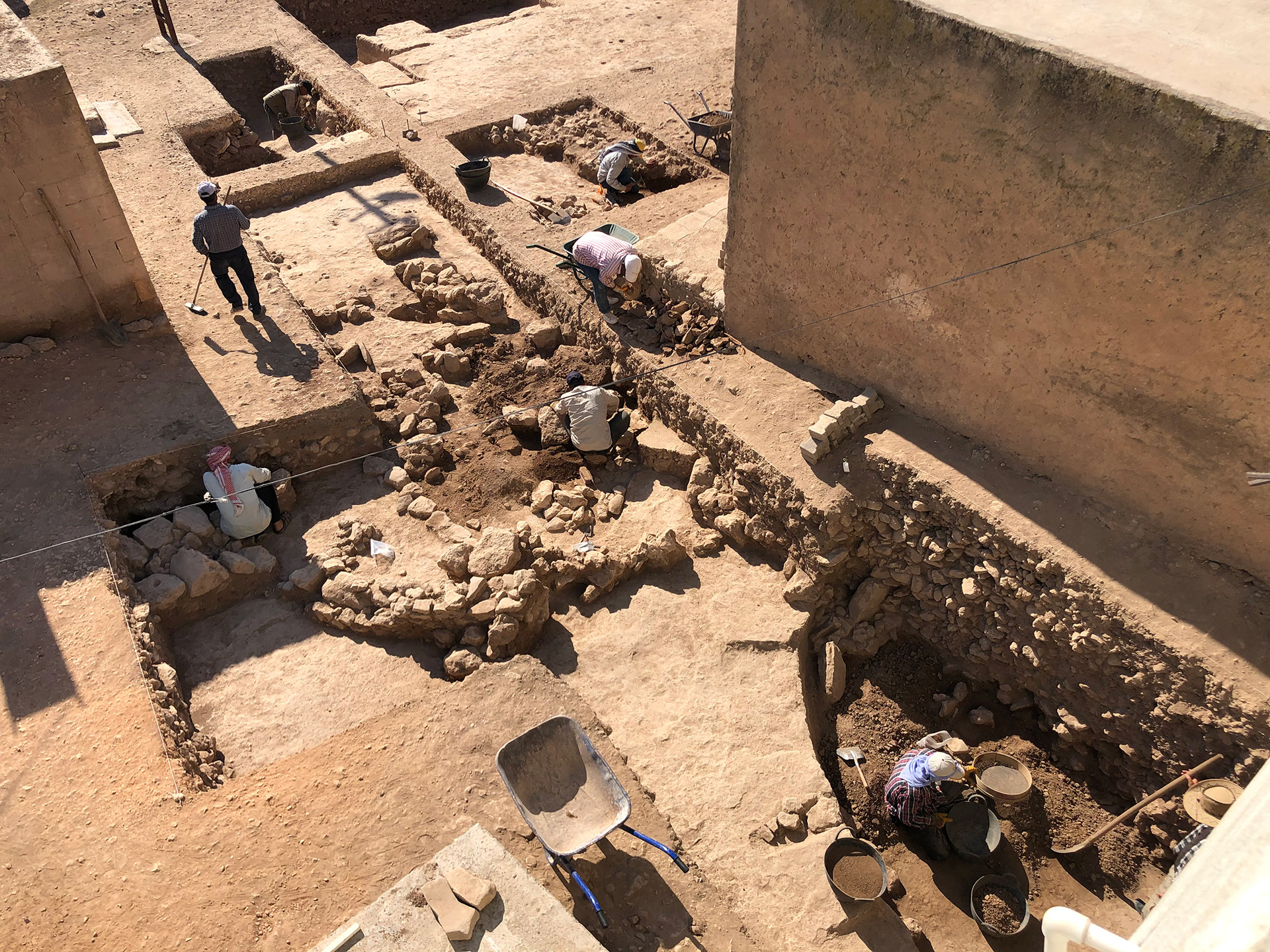
During a site visit in May 2021, members of the Şanlıurfa Archaeological Museum and the Taş Tepeler Project encountered stone pillars that had been reused in garden walls. More extensive investigations soon revealed unexpected Neolithic remains. Since then, the site has been systematically explored under the direction of the Şanlıurfa Archaeological Museum and the Department of Prehistory at Istanbul University.
A geographical treasure trove
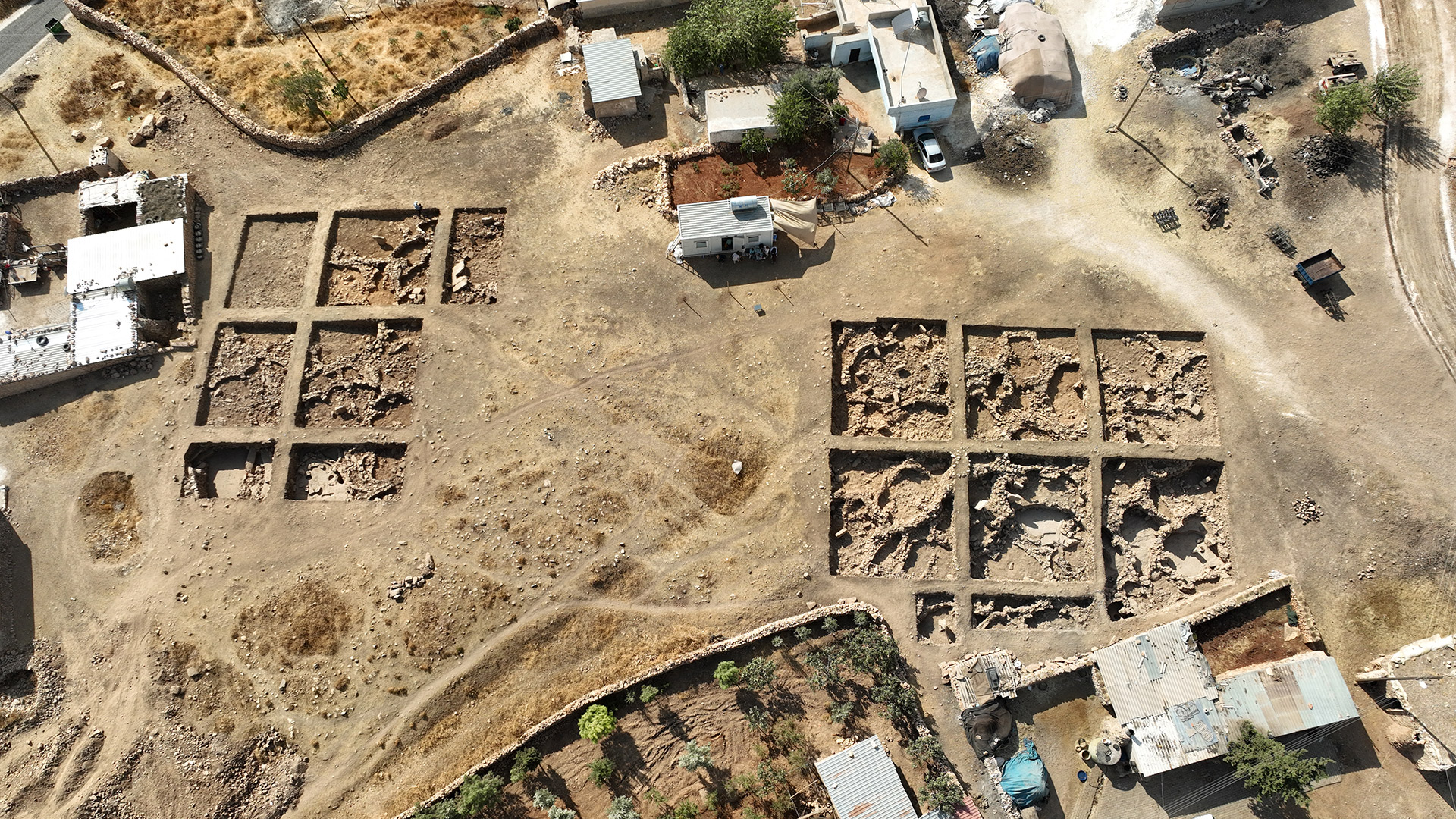
Sayburç is located approximately 20 km southwest of the centre of Şanlıurfa and about 60 km east of the Euphrates River. The settlement consists of three hills, with the northern and southern hills showing clear Neolithic traces. The western hill differs from the others, featuring Roman stone quarries and reservoirs, while the northern hill bears evidence of Roman occupation above Neolithic layers. This unusual configuration makes Sayburç a meeting point of cultures and time periods.
Archaeological finds
The north: ritual structures and symbolism
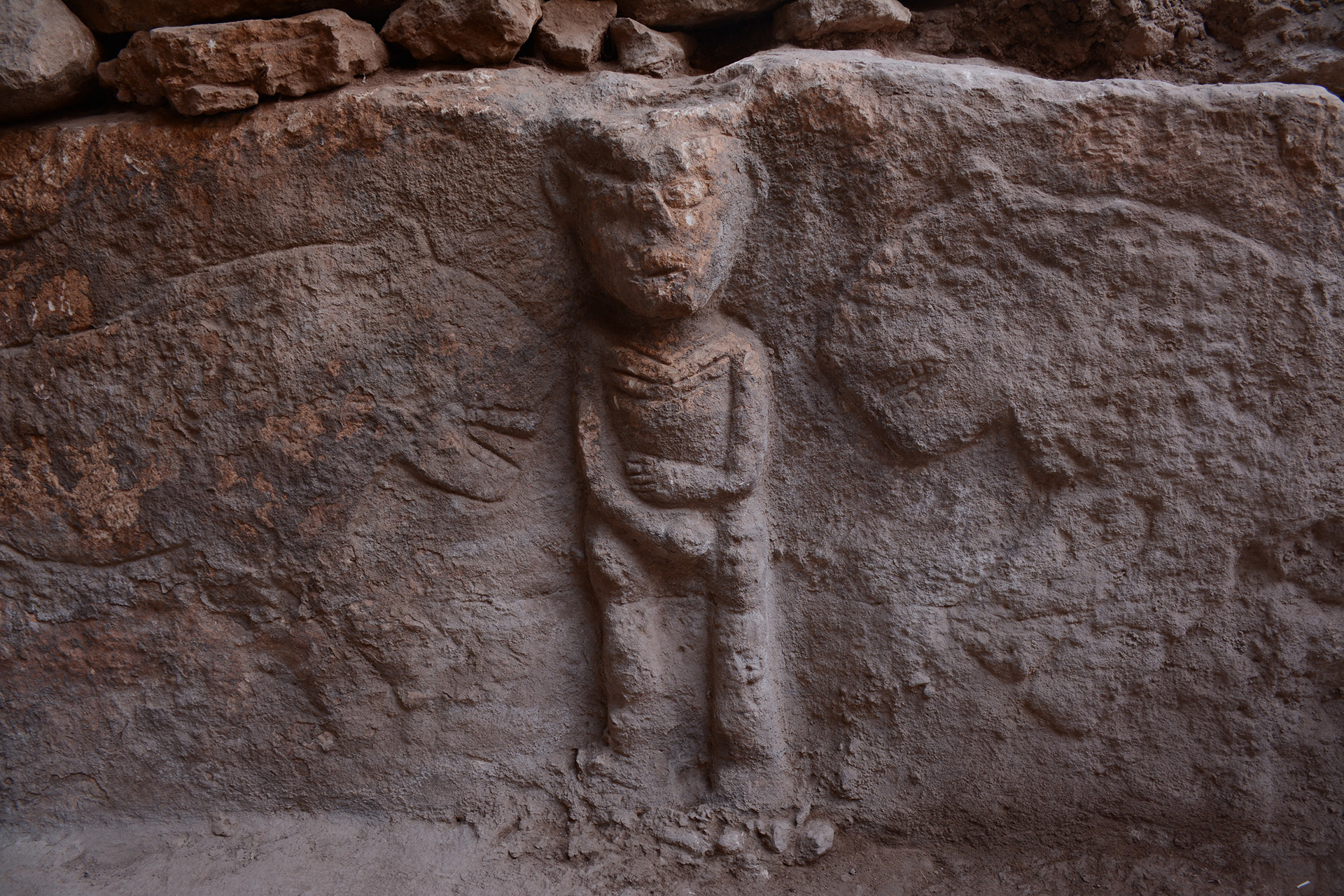
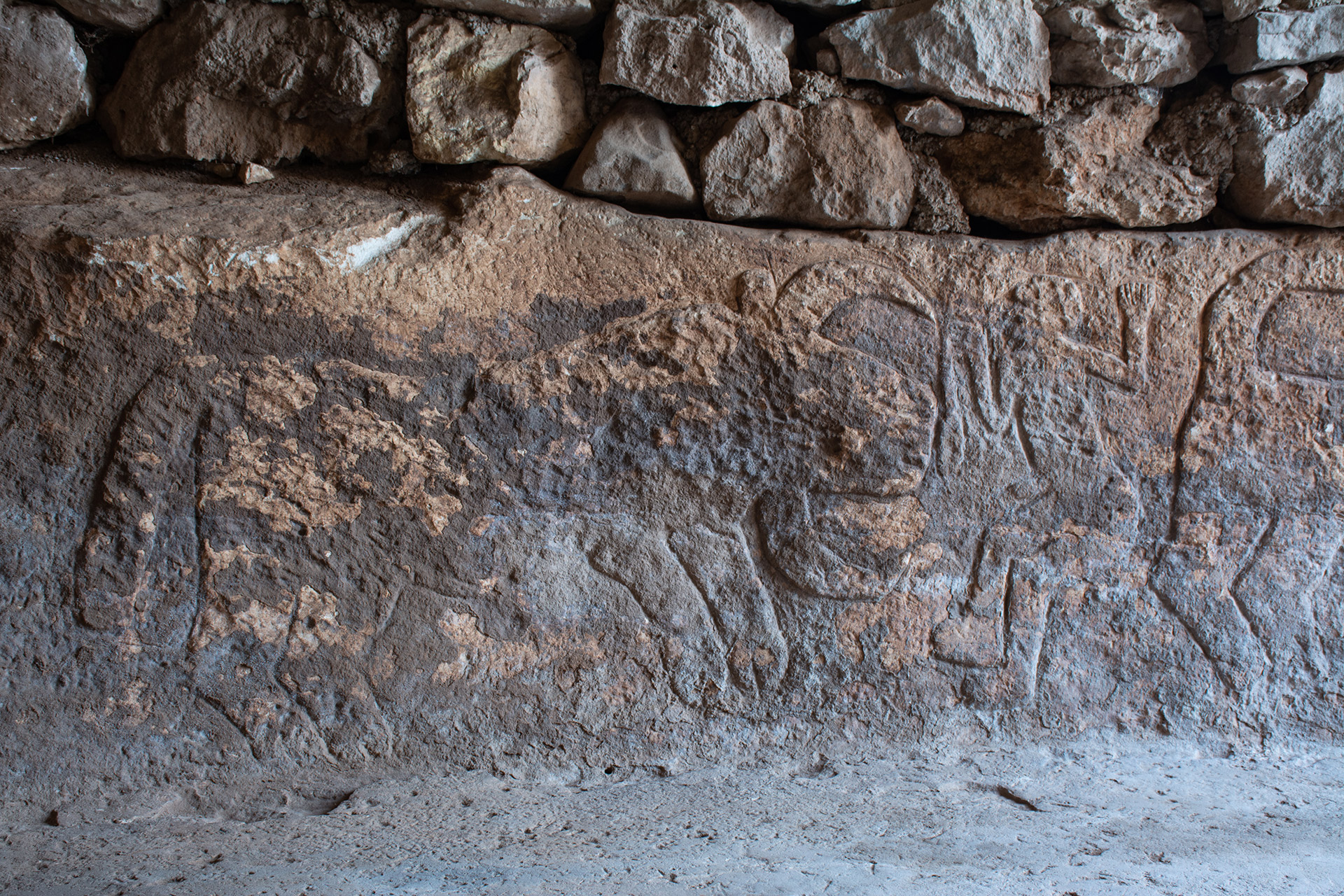
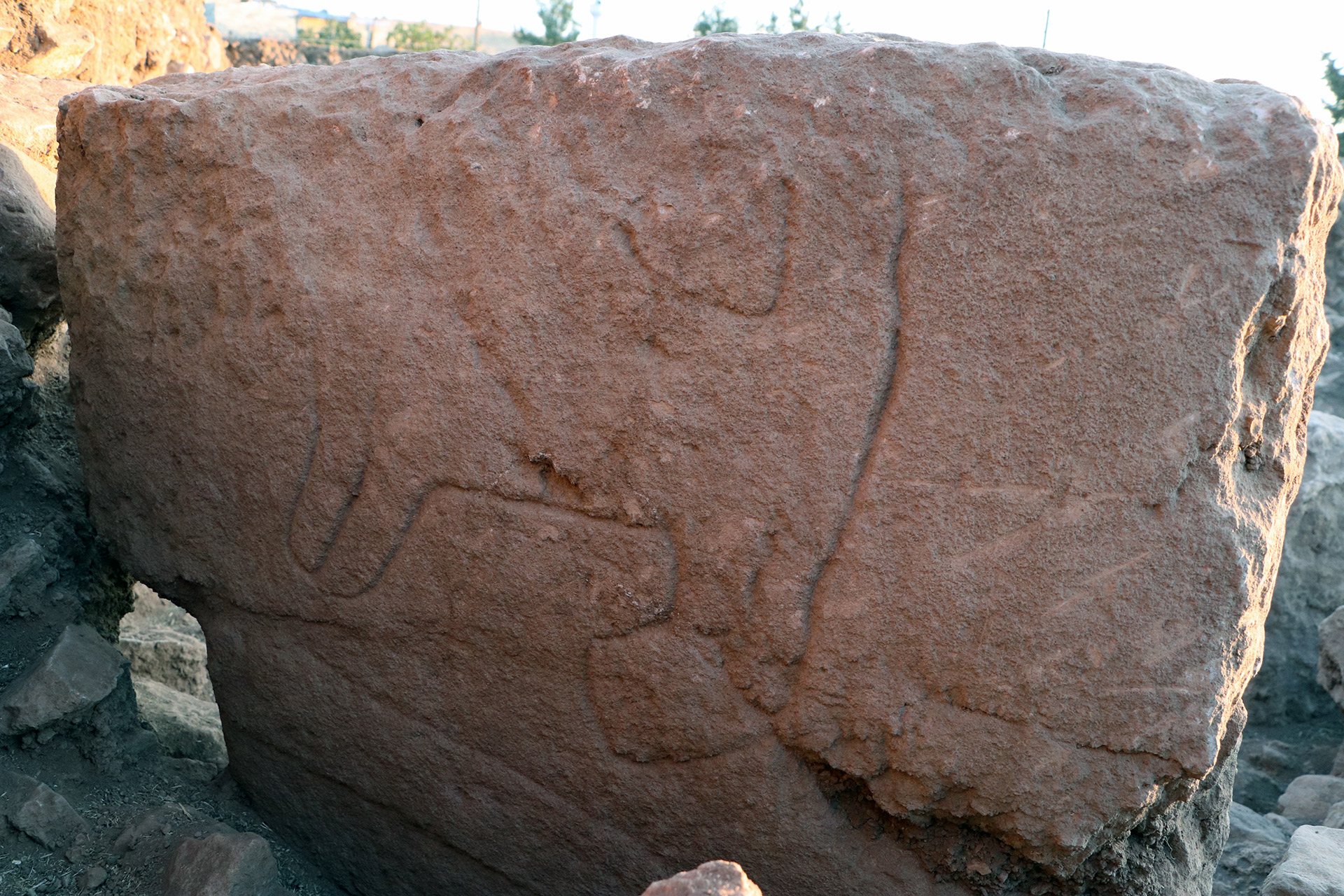
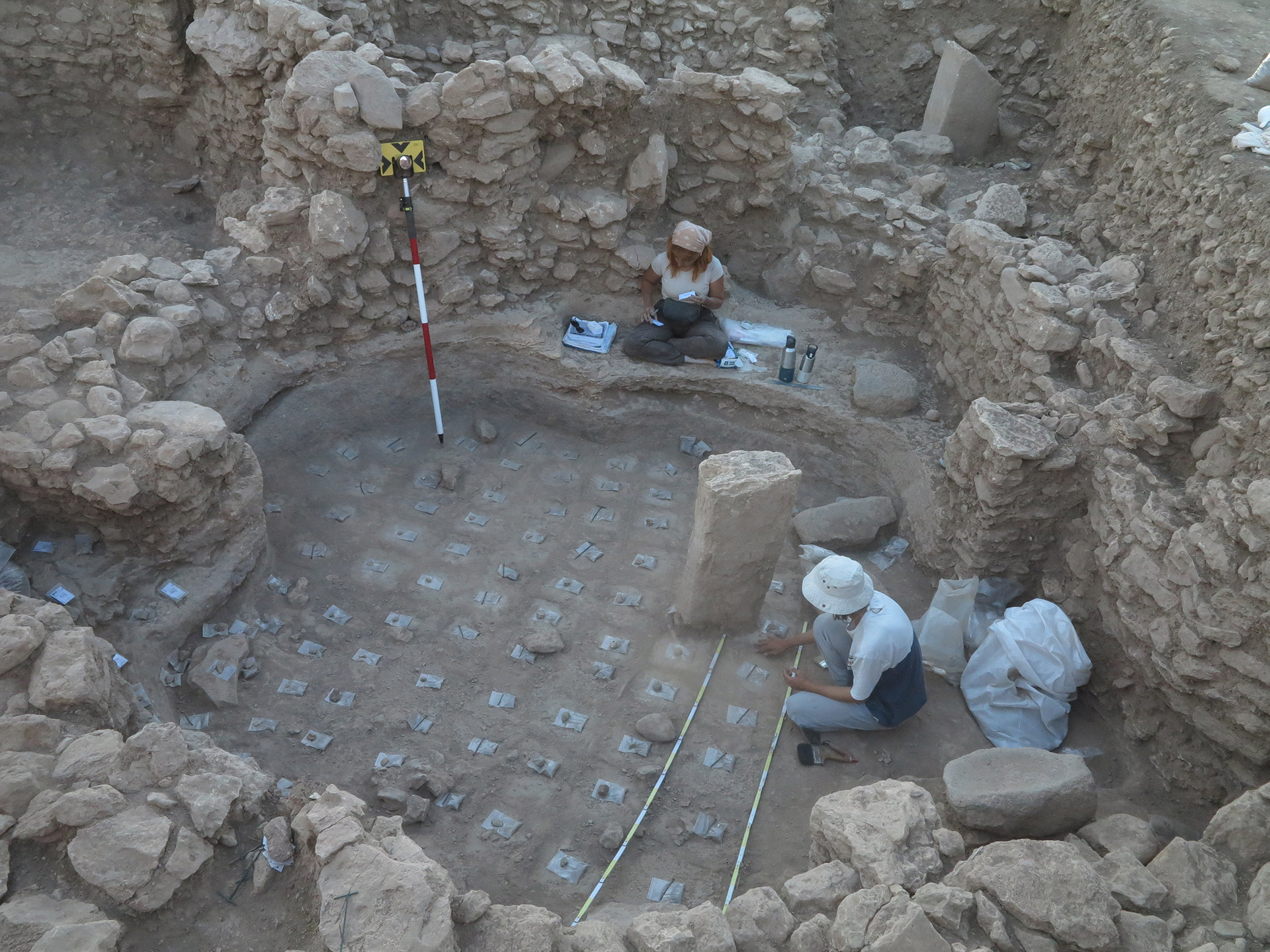
In the northern area of Sayburç, archaeologists uncovered a circular structure measuring 14 metres in diameter, carved directly into the bedrock. The structure features a natural stone wall, a rock-cut floor, and a continuous bench running along the interior. The reliefs carved into this bench are particularly striking, depicting a dynamic scene of humans and animals.
The Sayburç reliefs portray five figures: two men, two leopards, and a bull. Executed in high relief, the scene strongly emphasises movement. One man sits centrally between two attacking leopards, while another man—possibly holding a sling or rattle—stands face to face with a bull. These images, likely of ritual or mythological significance, provide valuable insight into the spiritual and social world of Neolithic communities.
The south: living areas
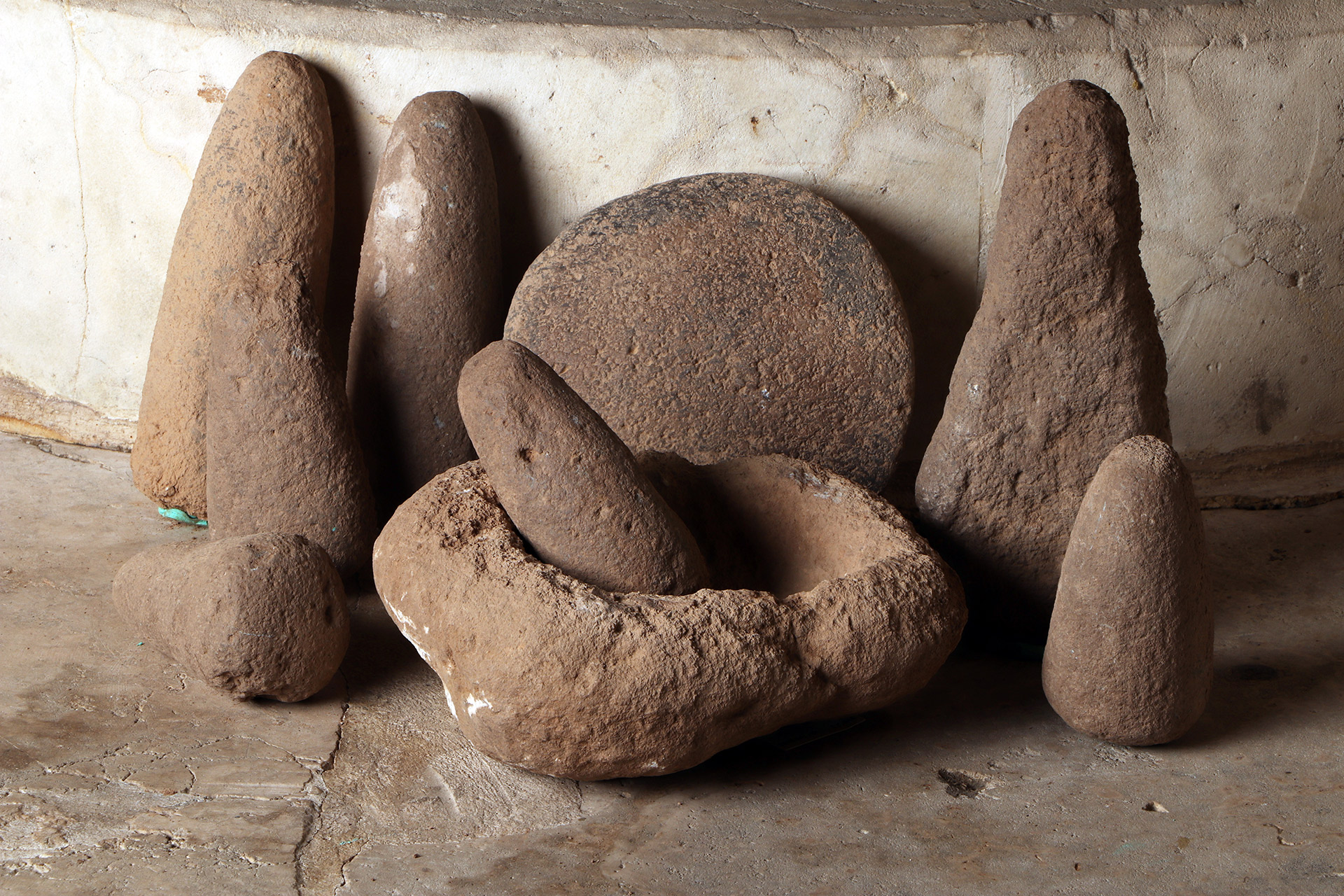
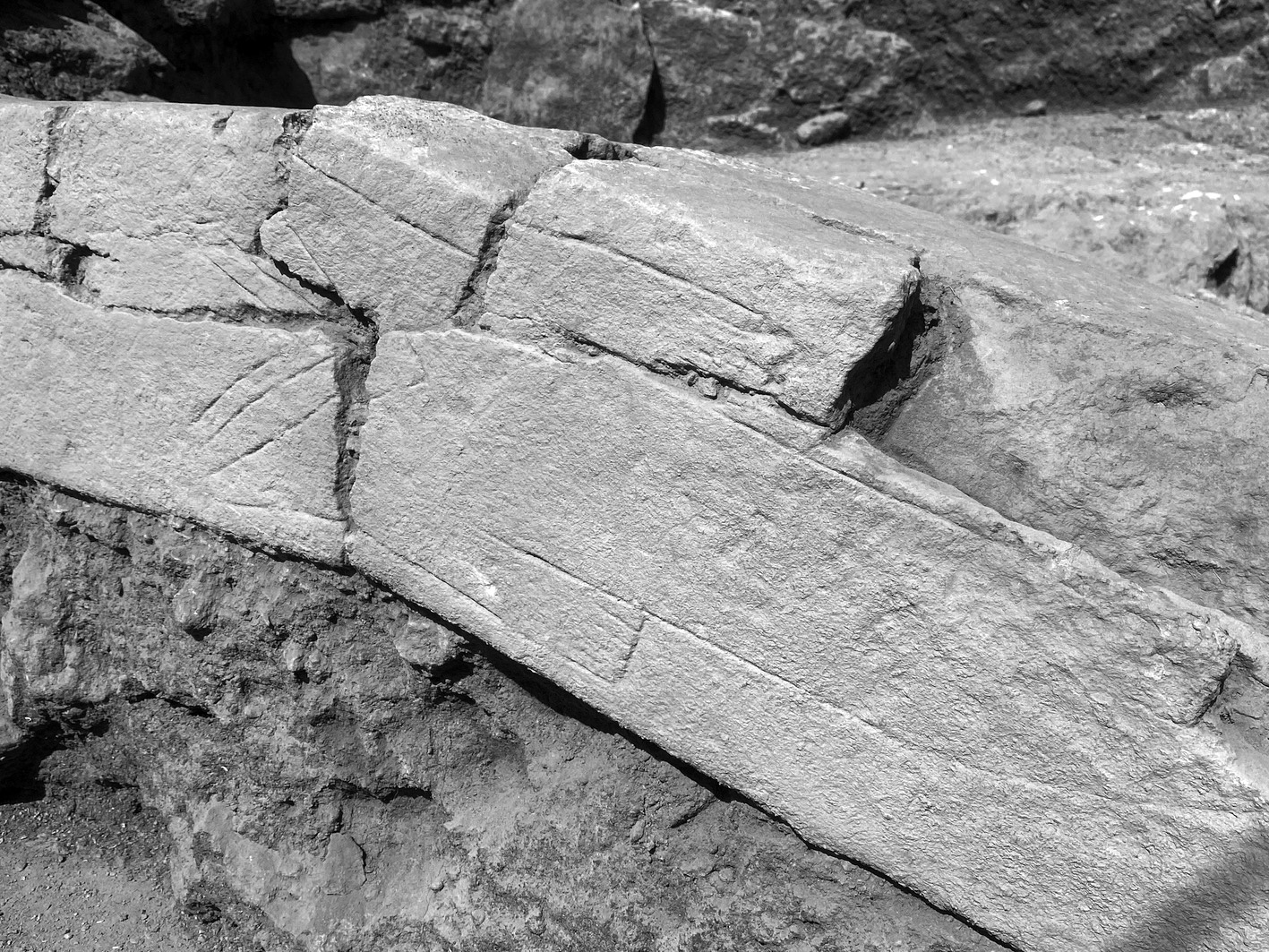
The southern part of the site contains a complex of interconnected structures built on an elevated rock surface. The stone walls include recesses, niches, and T-shaped pillars, some of which bear anthropomorphic features. The rock-cut floors are furnished with benches, suggesting a well-organised, sedentary way of life in which domestic and communal spaces played a central role.
The significance of Sayburç
Sayburç offers an exceptional perspective on the transition from nomadic hunter-gatherer groups to settled societies. The combination of sophisticated architecture, symbolic elements, and expressive reliefs makes the site invaluable for understanding the Early Neolithic period. The interaction between human figures and animals in the reliefs hints at narratives and rituals passed down through generations.
Recent developments and future research
In 2024, archaeologists uncovered additional layers of the site’s history. Current research focuses on the detailed analysis of spatial use and daily life, as well as refining the chronological and functional interpretation of the structures. With each excavation season, Sayburç increasingly emerges as a centre of Neolithic innovation and cultural expression.
Sayburç stands as a powerful reminder of humanity’s deep-rooted creativity and adaptability, showing how archaeology not only illuminates the past but also enriches our understanding of the present and future.
Aims of the excavations
The ongoing excavations at Sayburç form part of the broader Şanlıurfa Neolithic Research Project (Taş Tepeler Project). Its main objectives include:
1. Understanding the social dynamics of sedentary societies: How were architecture, technology, and domestication integrated into everyday life?
2. Exploring ritual and symbolism: What role did special structures and artworks, such as the Sayburç reliefs, play in collective memory?
3. Clarifying horizontal settlement development: What factors explain the distinction between domestic and ritual spaces?