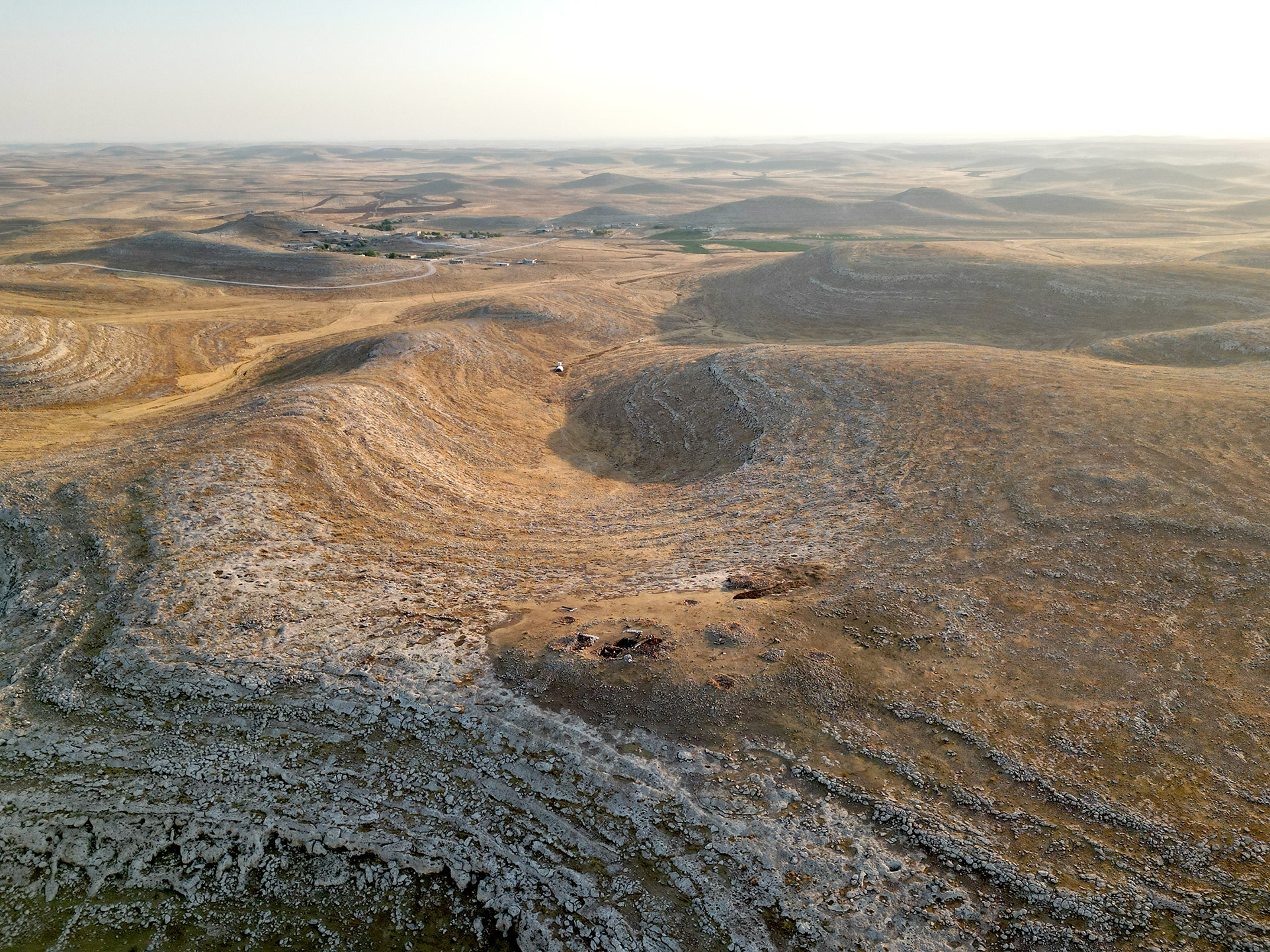
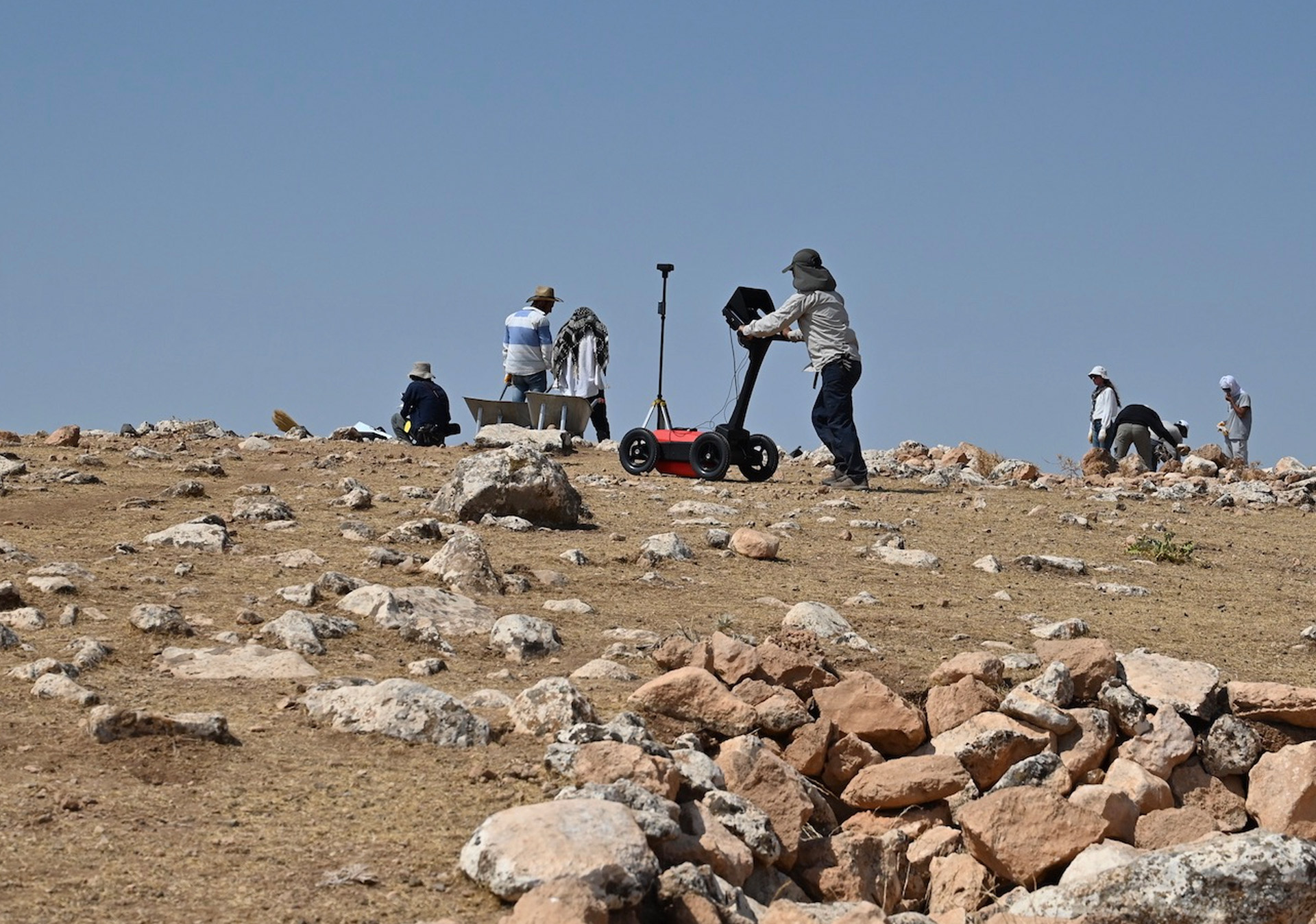
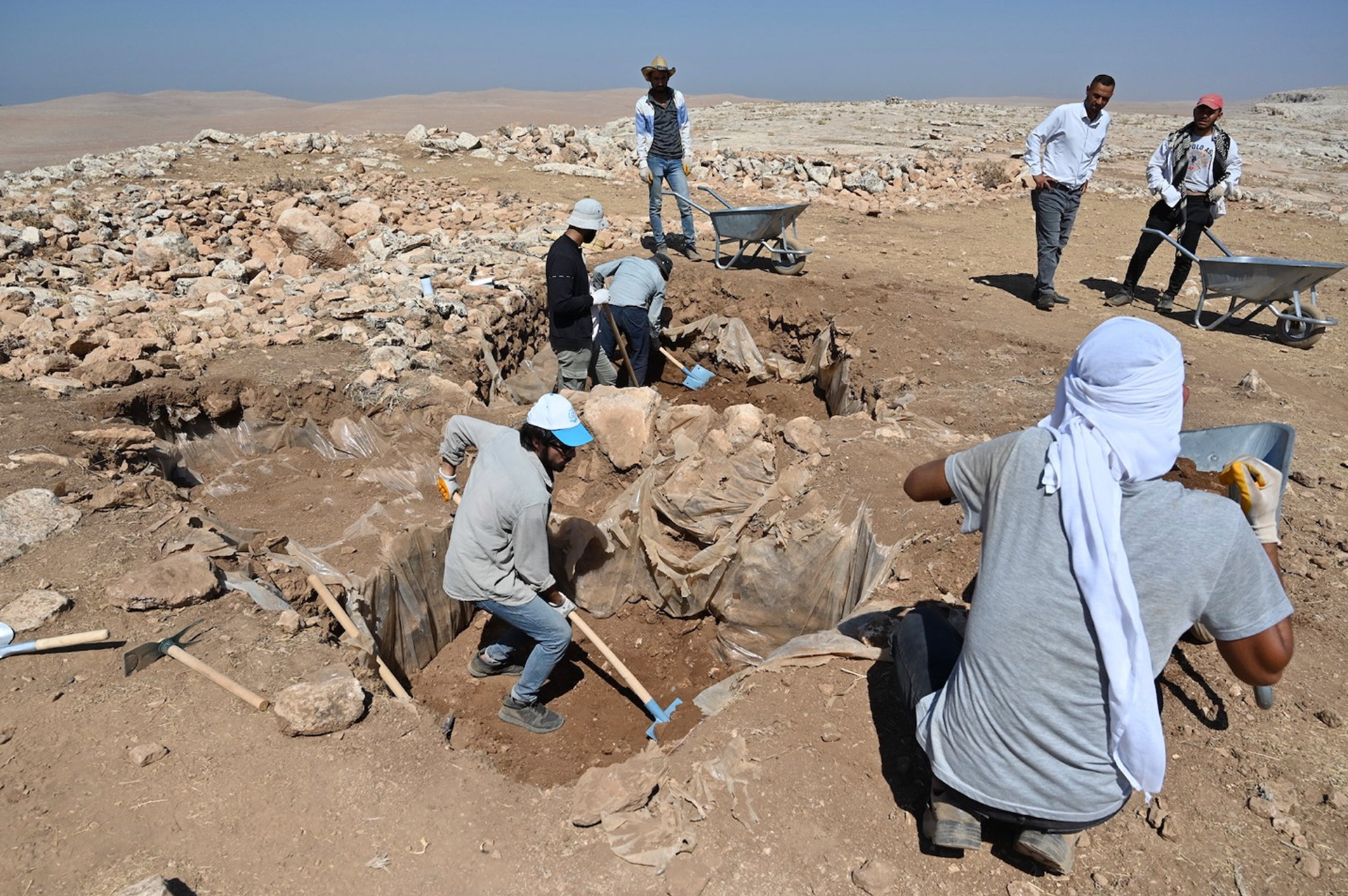
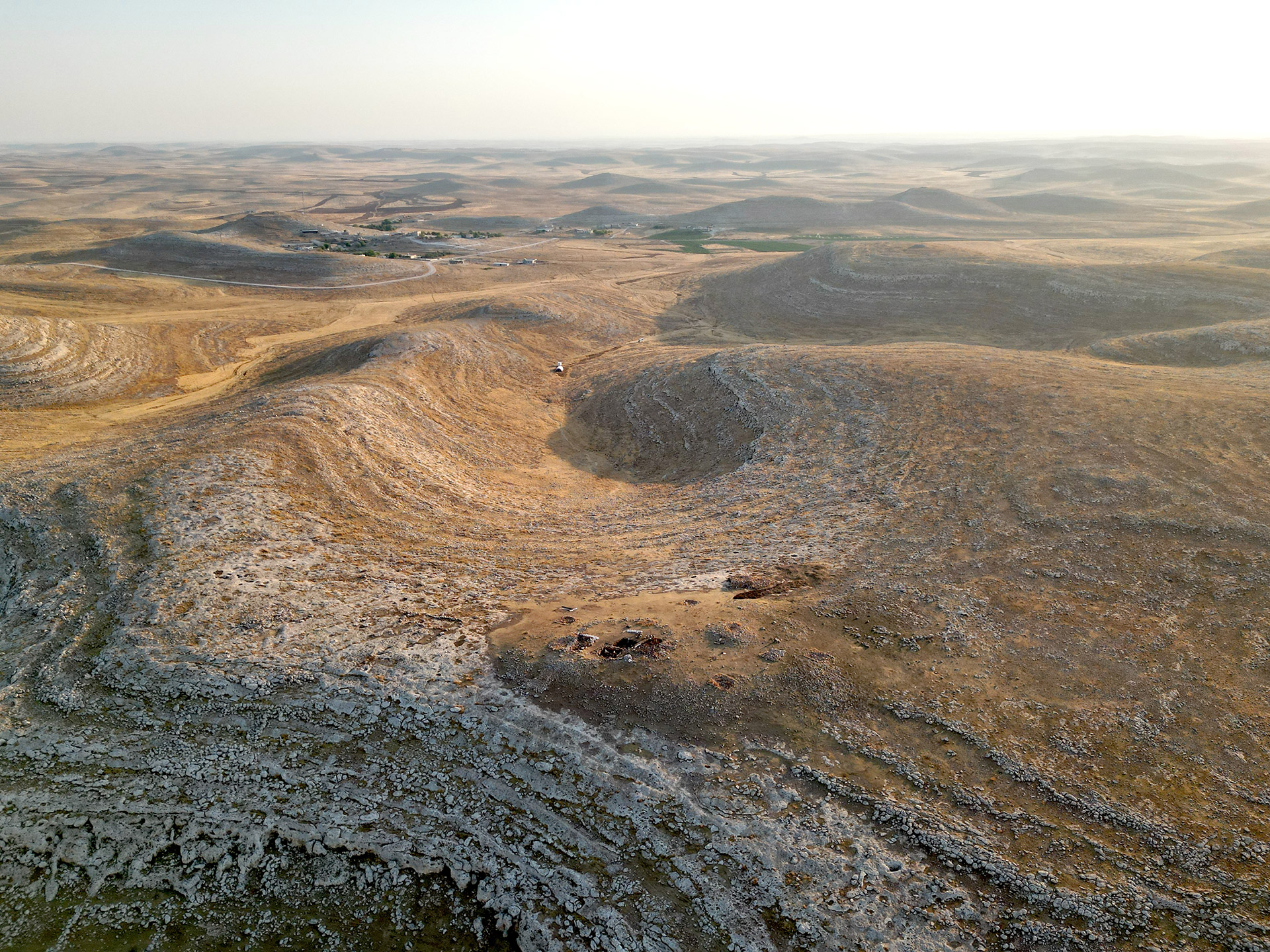
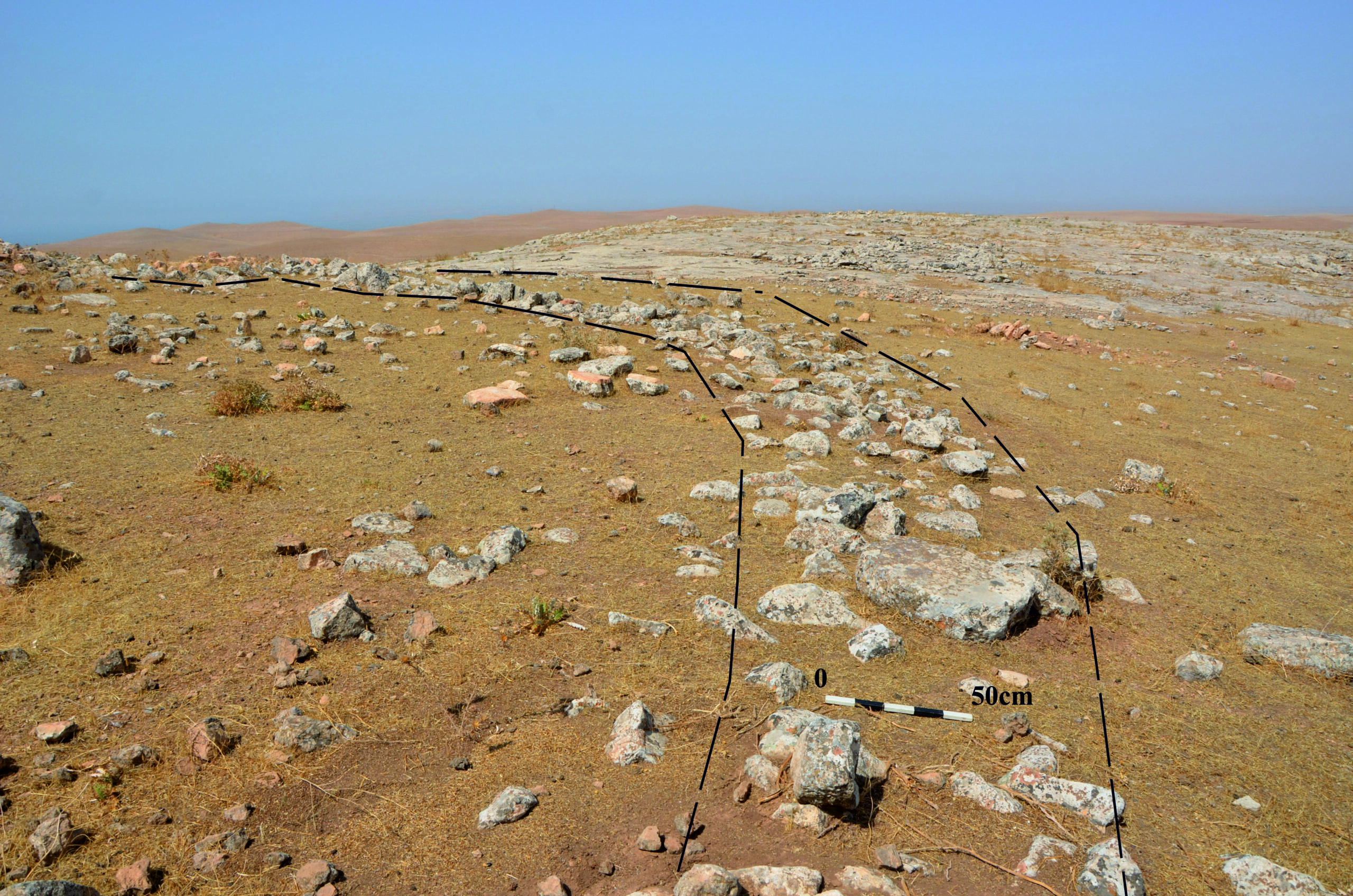
“Harbetsuvan Tepe”, the 10,000 year-old Neolithic Acropolis of Taş Tepeler … Harbetsuvan Hill is similar to the acropolises built on the hills near the ancient Greek cities. It was established in a mountainous region called Tek Tek Mountains, at an altitude of about 714m above sea level. Research carried out in Şanlıurfa since 1997 has led to the discovery of many cult centers symbolized by “T”-shaped pillars in the region.
You may have heard of these discovered cult centers with the name Taş Tepeler or Stone Hills many times. The most famous of these cult centers are Göbeklitepe and Karahantepe. Harbetsuvan Tepe (Harbetsuvan Hill), which is approximately 7km from Karahantepe, is built on a high hill and has a panorama that can see almost the entire Harran plain. Harbetsuvan Tepe, which was discovered for the first time during the surveys carried out in 2014, is located within the borders of the Eyyübiye district of Şanlıurfa province.
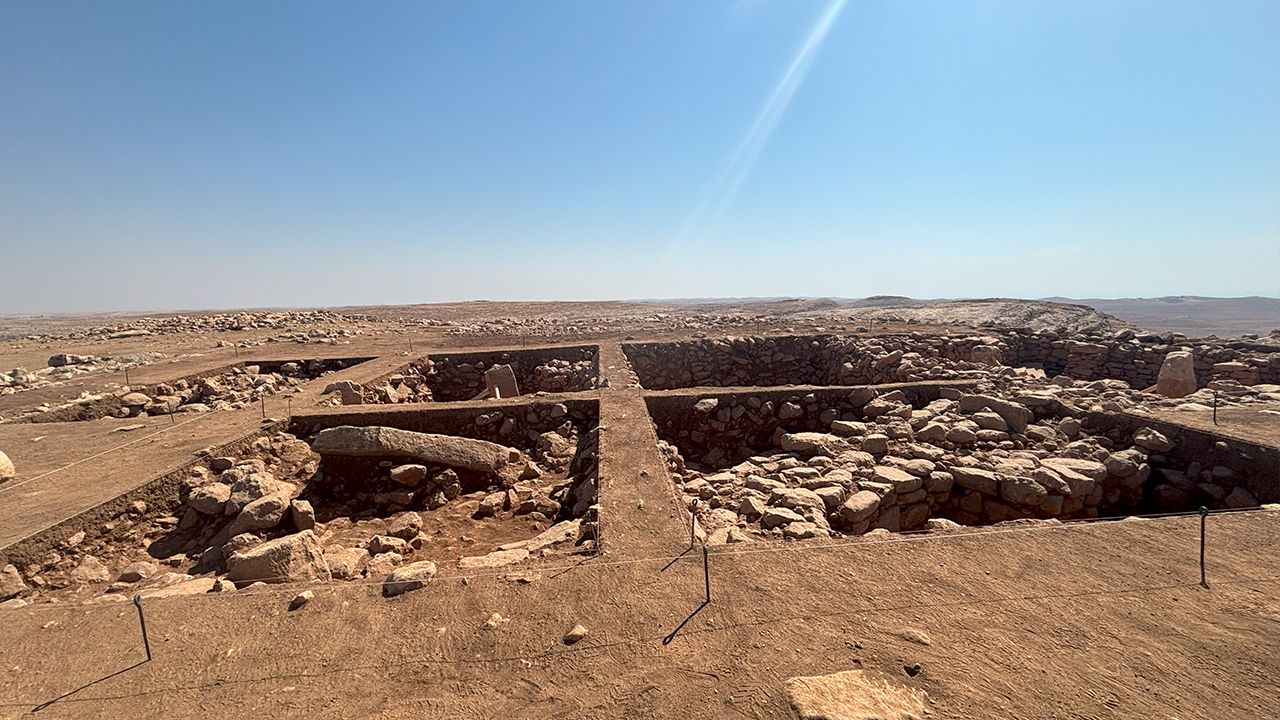
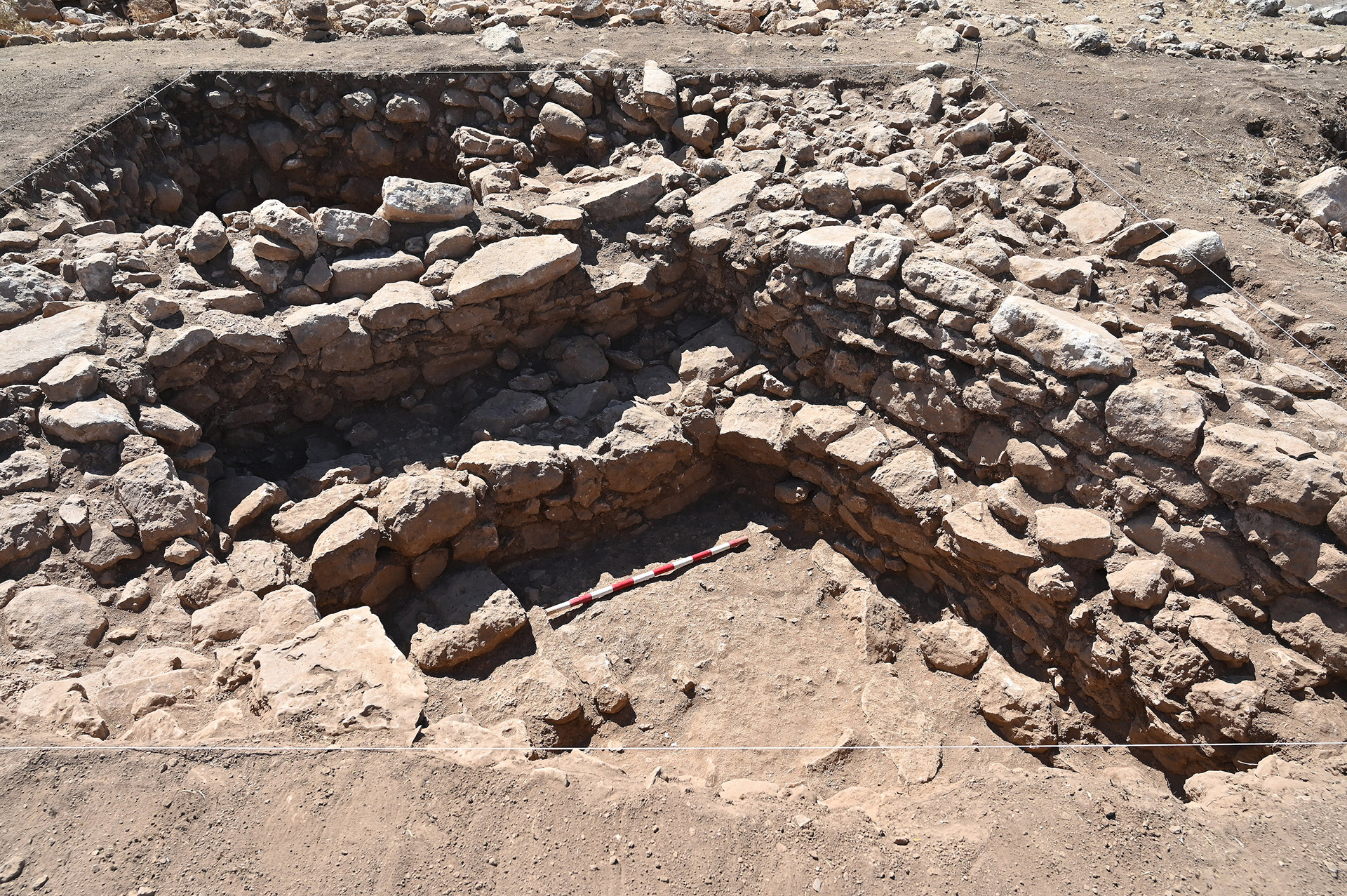
During the salvage works carried out on Harbetsuvan Hill, one of the small cult centers, in 2017, it was understood that the architecture unearthed was similar to the Göbeklitepe II layer architecture. Three of these cult centers, which are contemporary with Göbeklitepe’s Levels III and II, dated to the Pre-Pottery Neolithic A phase (PPNA) and the Pre-Pottery Neolithic B phase (PPNB) are the same size or even larger centers of Göbekli Tepe.
Researches strengthen the possibility that Karahantepe, Ayanlar Höyük, and Tepehan Höyük are contemporary with Göbeklitepe’s Level III. Other small cult centers such as Harbetsuvan Tepesi, Sefer Tepe, Kurt Tepesi, Sayburç, and Taşlı Tepe generally have an area of 5-15 decares and are contemporary with Göbeklitepe’s level II. During the surveys around Harbetsuvan Tepe, slope settlements, trap areas, and rock shelters were identified. The slope settlements are approximately 3-5 decares in size and face south, west or southwest. The reasons for the establishment of the slope settlements must be the gazelles in the region and the trap areas built accordingly. As a result, Harbetsuvan Hill looks like a center with ties to trap areas, slope settlements, and rock shelters. Compared to
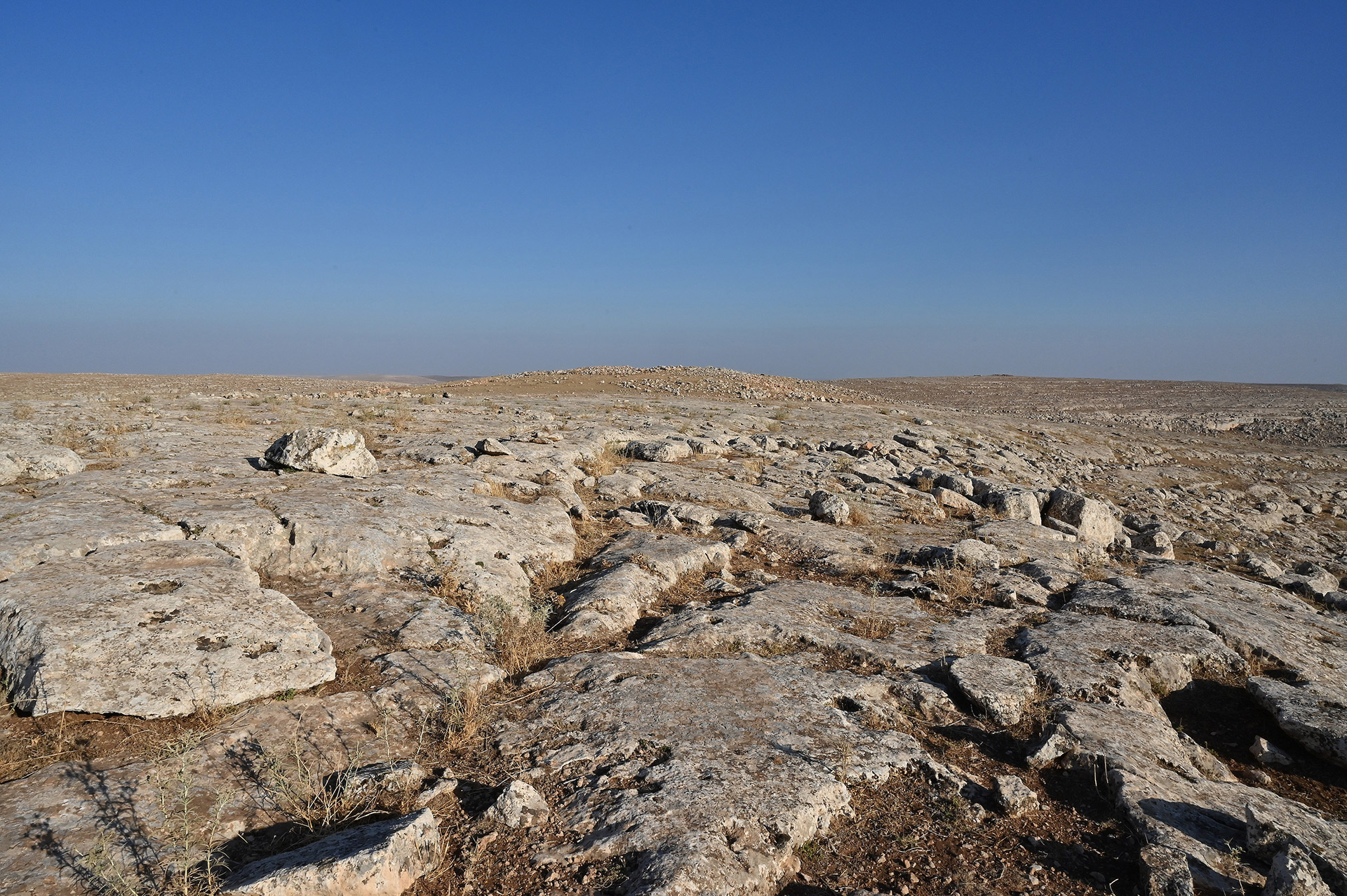
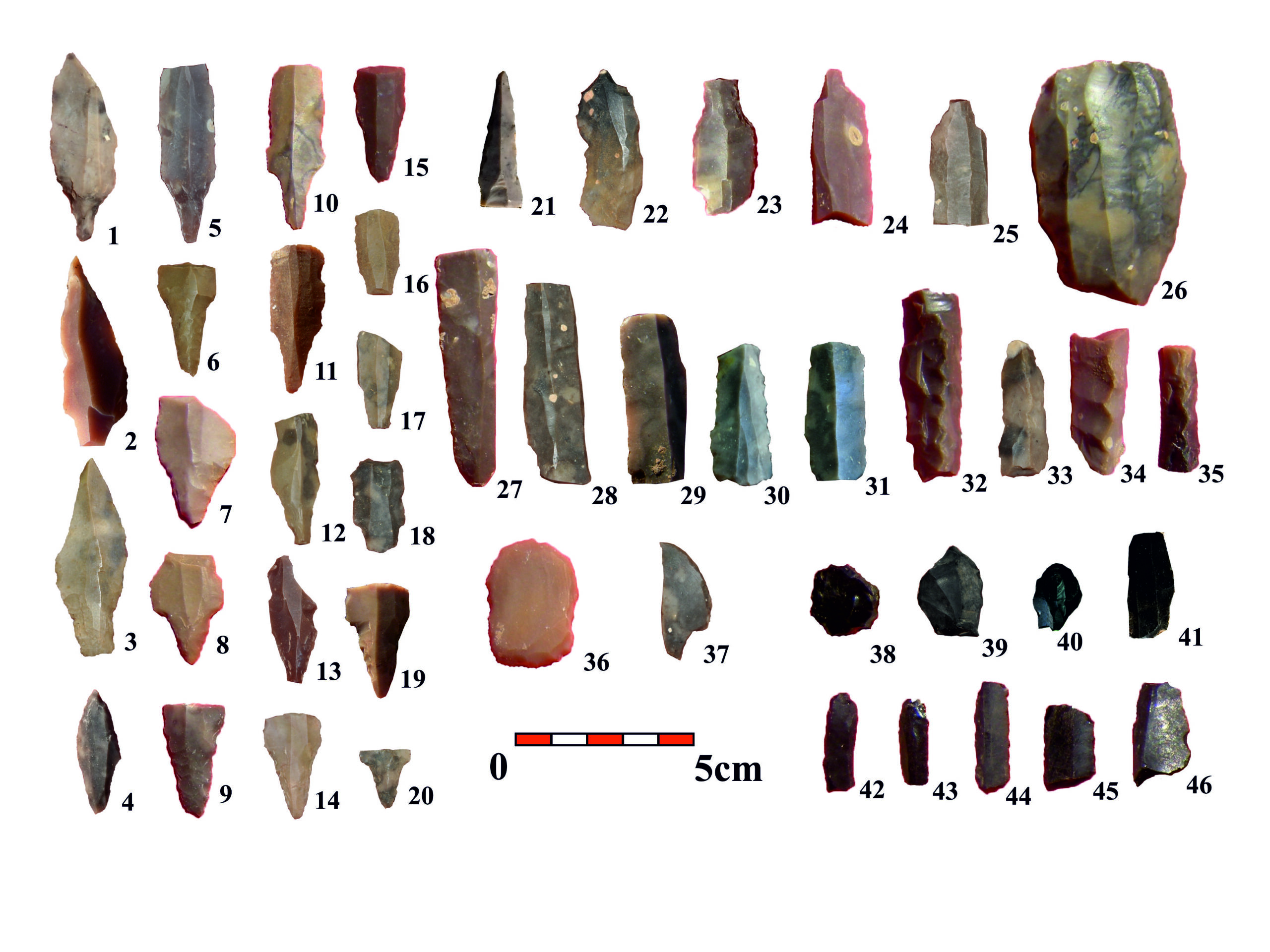
Karahantepe located next to it, the fact that Harbetsuvan Hill was established in a place overlooking the plain also gives the impression that this center was established for Karahantepe. During the survey on Harbetsuvan Tepe, pools carved into the bedrock, and tools made of flint and obsidian were found.
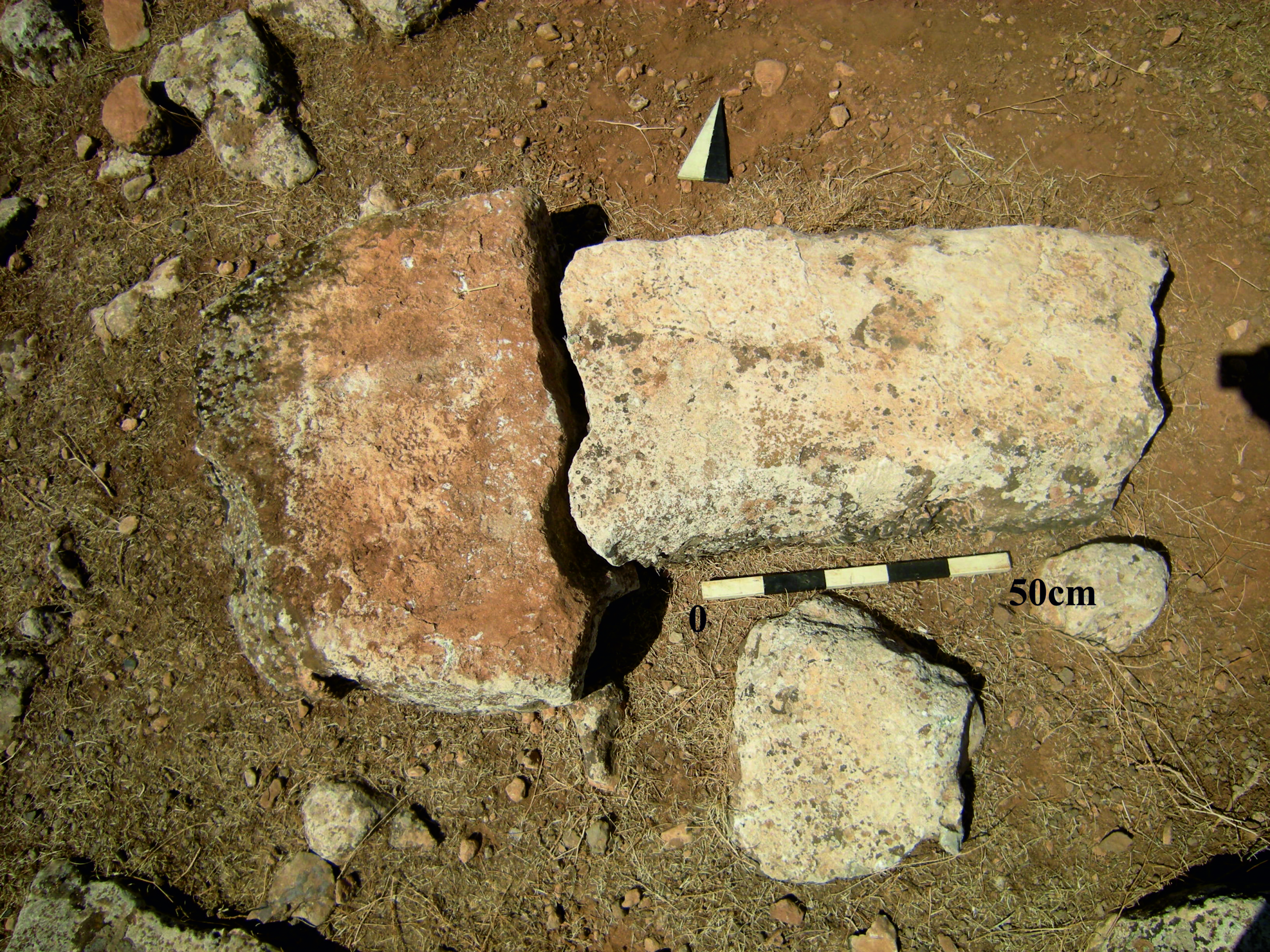
Thanks to the finds, it was understood that settlement was established as a small cult center in the B phase of the Pre-Pottery Neolithic Period (PPNB). In addition, many “T” shaped pillars, which we know from Nevali Çori, Sefer Tepe, Hamzan Tepe, and Göbekli Tepe, were also found on the surface of the hill. As a result of the research carried out at the settlement, finger reliefs were also found on a “T” -a shaped pillar that was unearthed in an area excavated by illegal diggers. The preserved part of Harbetsuvan Hill covers an area of approximately 6000 square meters. The settlement is concentrated at the very top of a rocky hill. Plenty of flint deposits were also found on the surface in the area called Recmelsuvan, 10 km south of Harbetsuvan.
In the Harbetsuvan Tepe settlement, the flint finds are concentrated in the whole area. The number of flints per 1 m² area is about 3