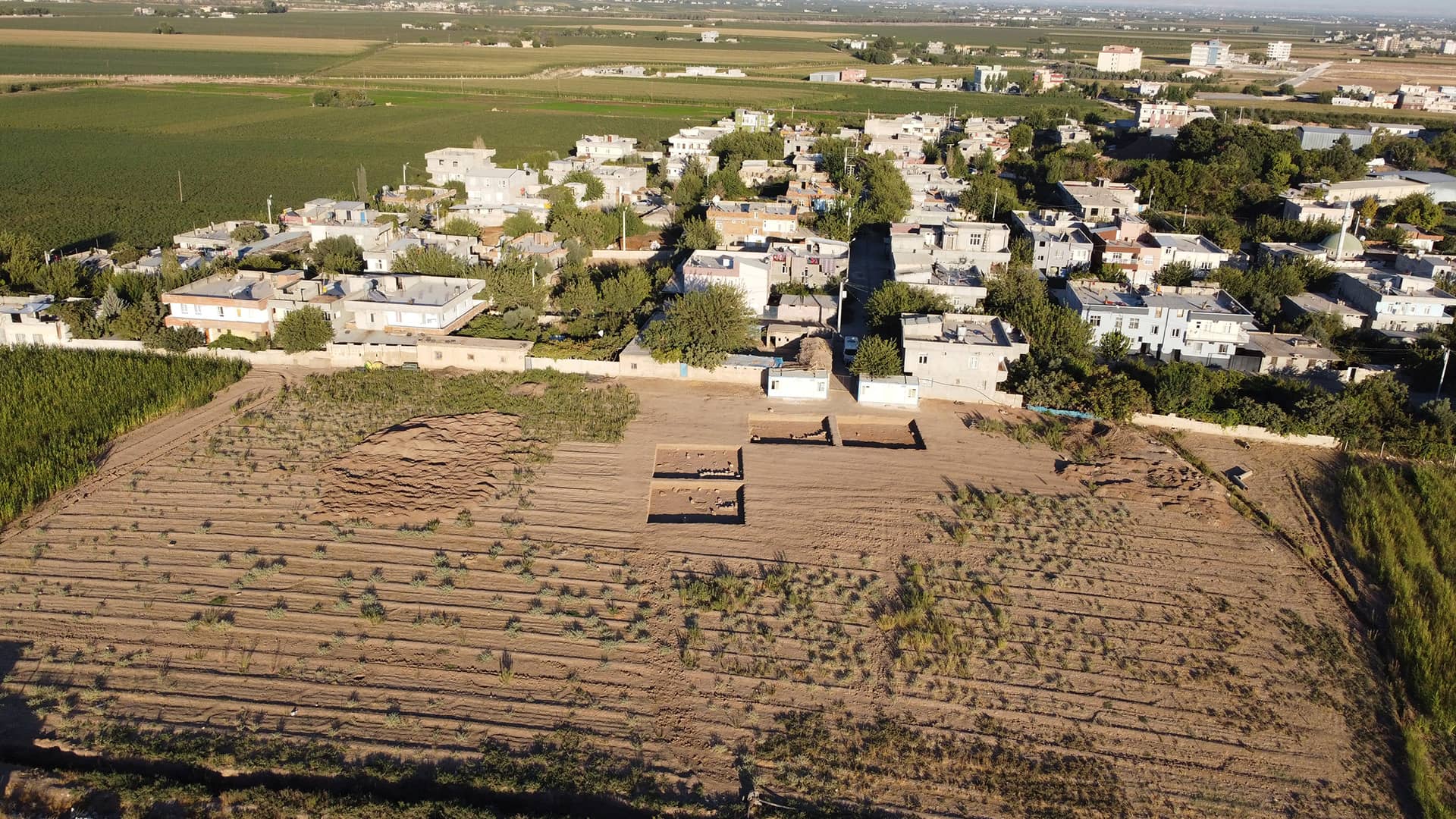
Gürcütepe is situated approximately 4 km southeast of Şanlıurfa, at the northwestern edge of the Harran Plain. It encompasses an area of around 1200 x 800 meters and consists of eight settlements (Gürcütepe I-VIII), including four mounds and four flat sites. These settlements are located in a region with natural springs, alongside the banks of the Sırrın stream, which flows into the Balık River. The earliest occupation of the site traces back to the Late Pre-Pottery Neolithic and continues without interruption into the Pottery Neolithic. Since the early 2000s, modern settlements have occupied the site, leaving only a small area used for agriculture at Gürcütepe III intact.
Gürcütepe was initially identified as a Neolithic hub by a Turkish-American team working at nearby Kazane Höyük. From 1995 to 1999, it was researched alongside Göbeklitepe as part of a collaborative project involving the German Archaeological Institute in Istanbul and the Şanlıurfa Archaeological Museum, led by Adnan Mısır, Harald Hauptmann, and Klaus Schmidt. Early studies concentrated on the two major mounds of Gürcütepe I and II, while smaller excavations aimed to investigate the stratigraphy of Gürcütepe III and IV.
Excavations revealed a cultural fill approximately 6 meters deep, uncovering building layers and Neolithic settlements from the Late Pre-Pottery period. The initial findings also included the earliest Neolithic potsherds at the surface. Furthermore, the upper layers of Gürcütepe I were primarily covered with Hellenistic-Roman tombs and isolated remnants of buildings.
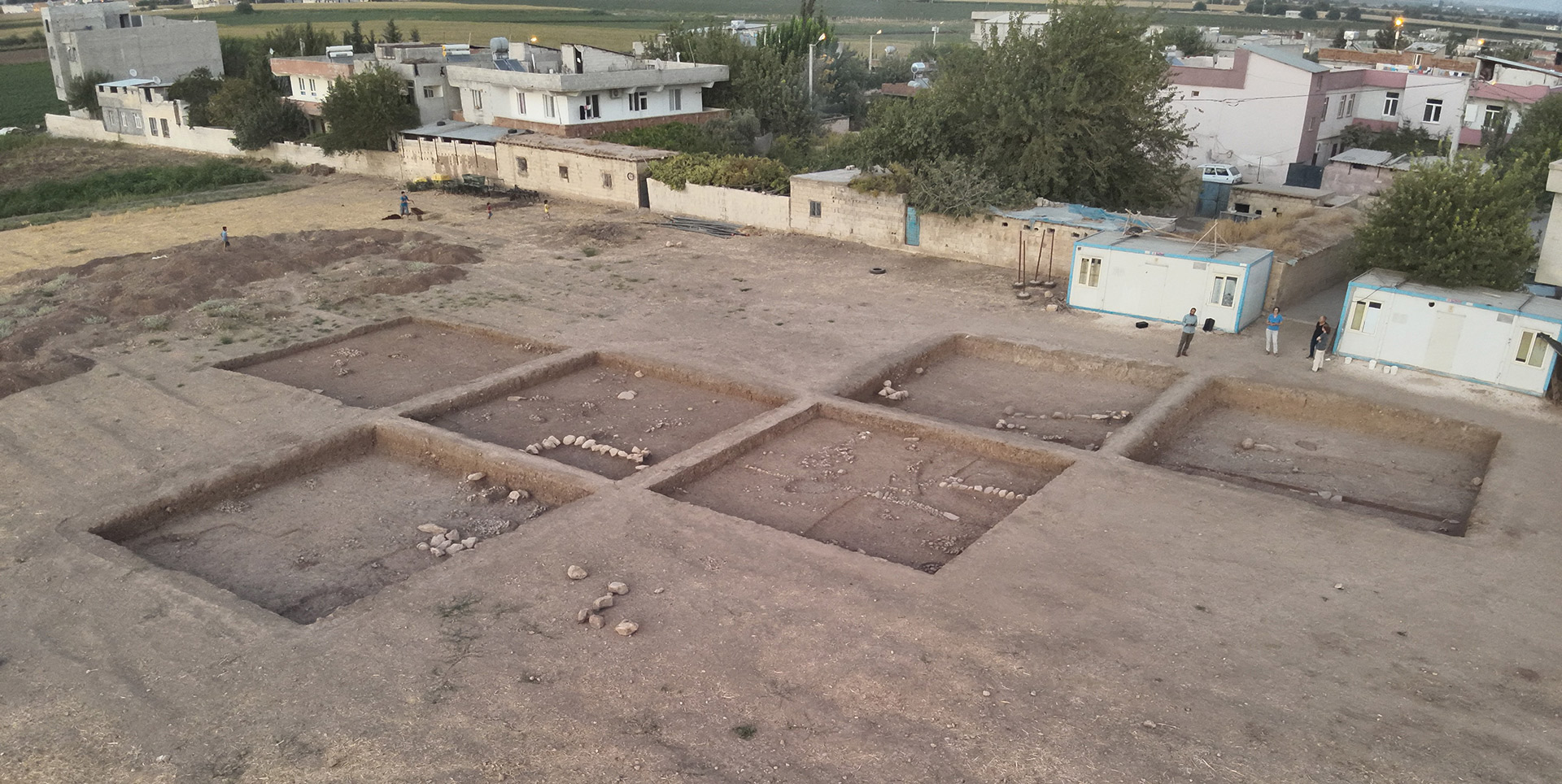
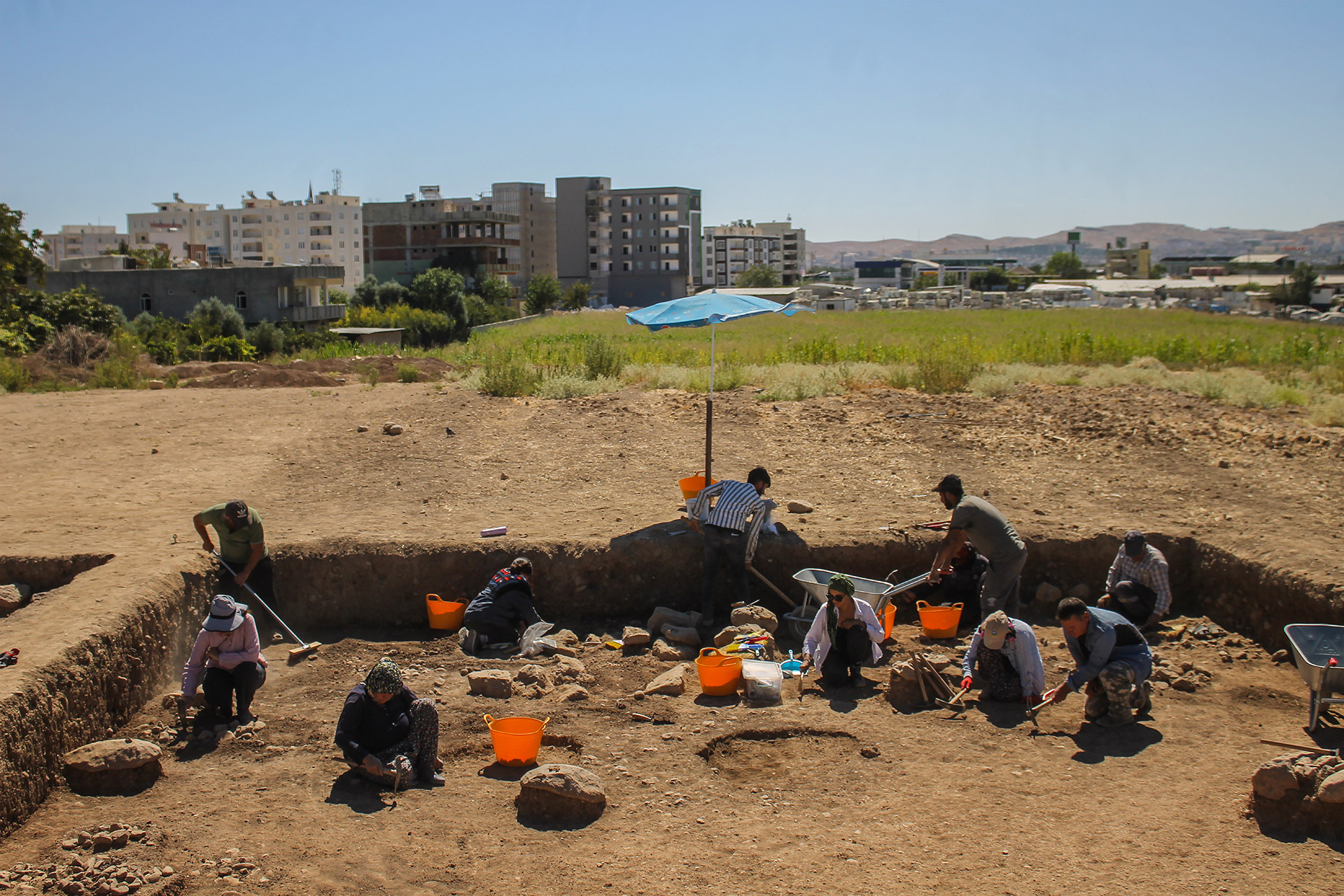
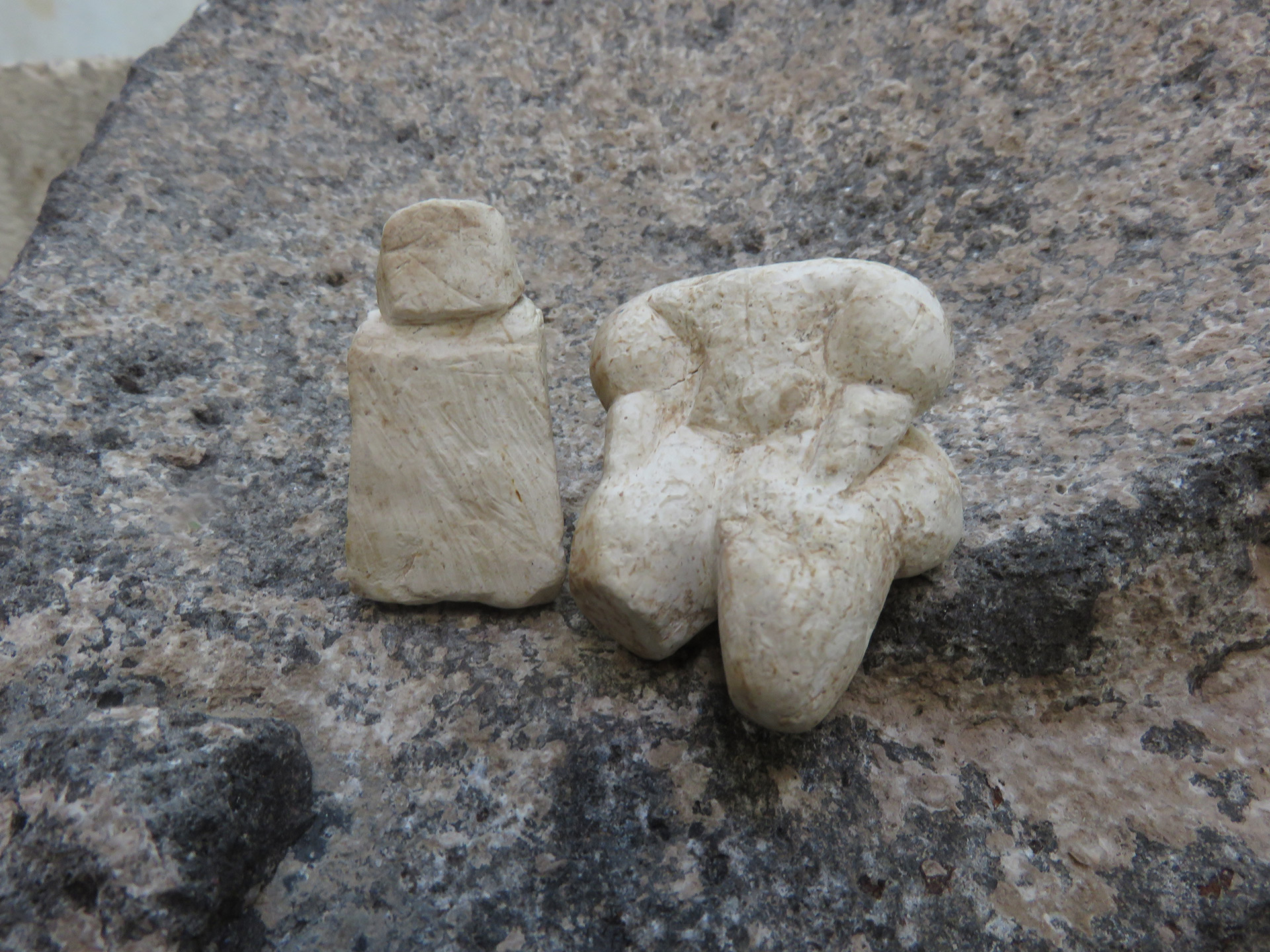
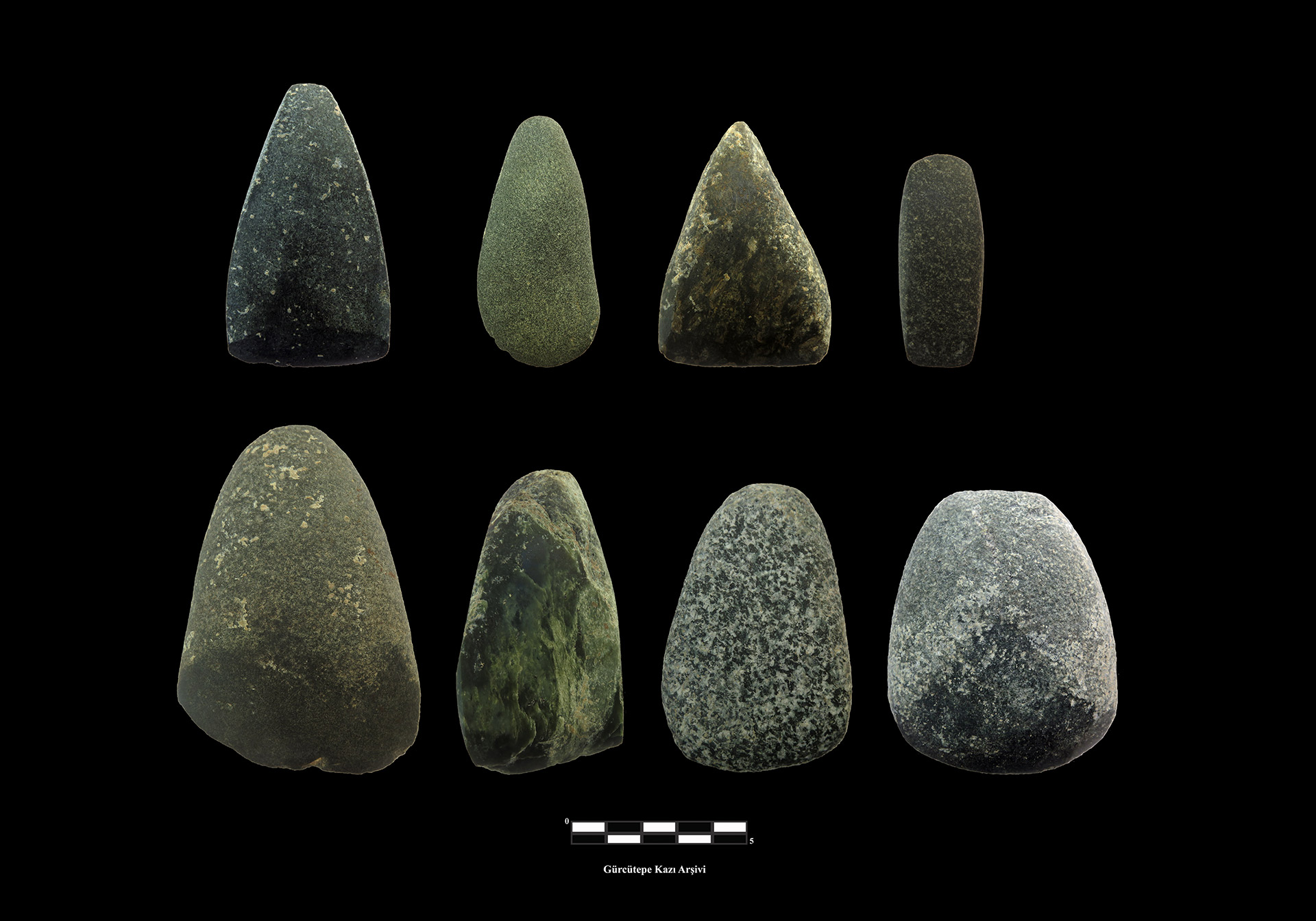
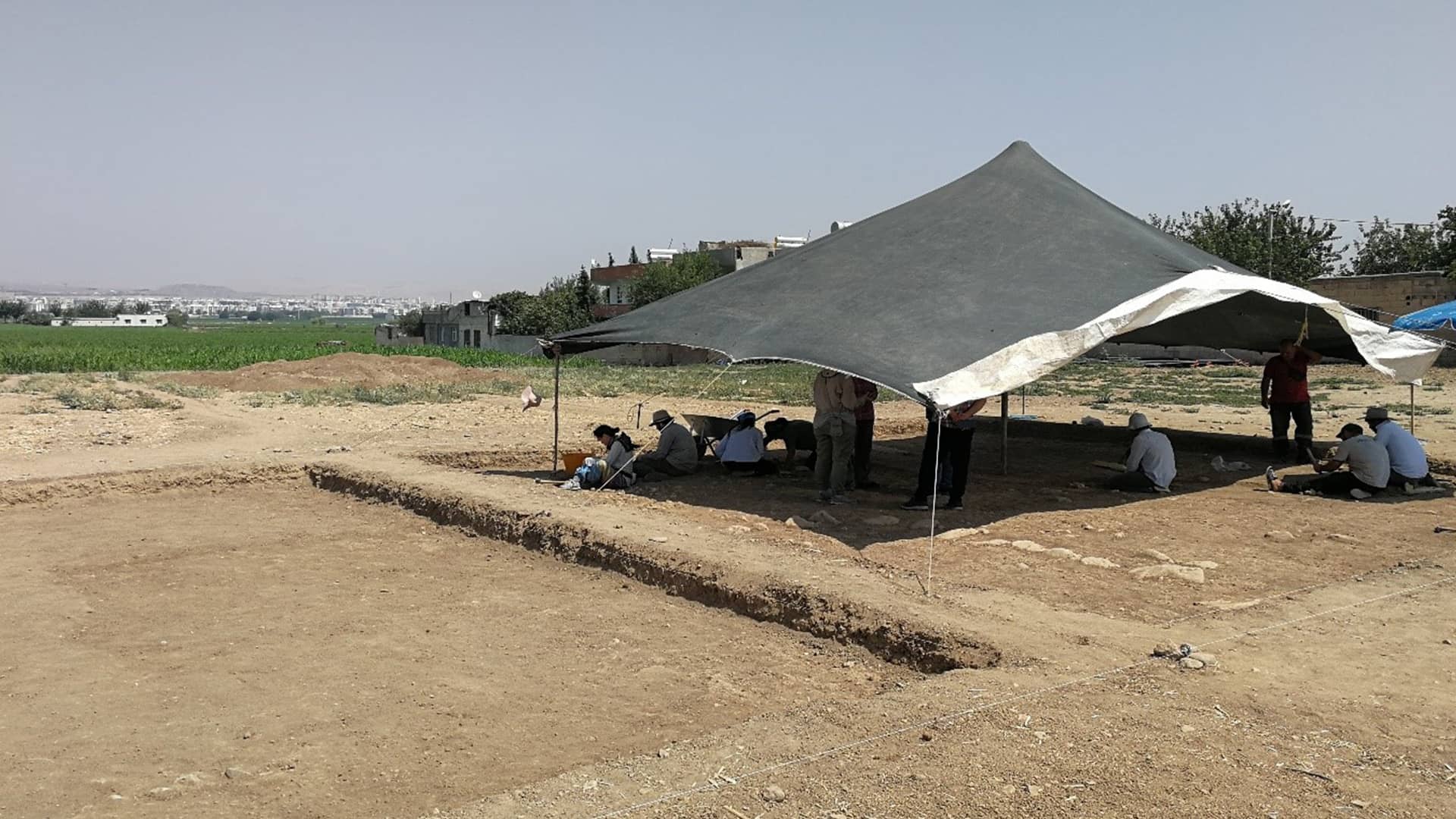
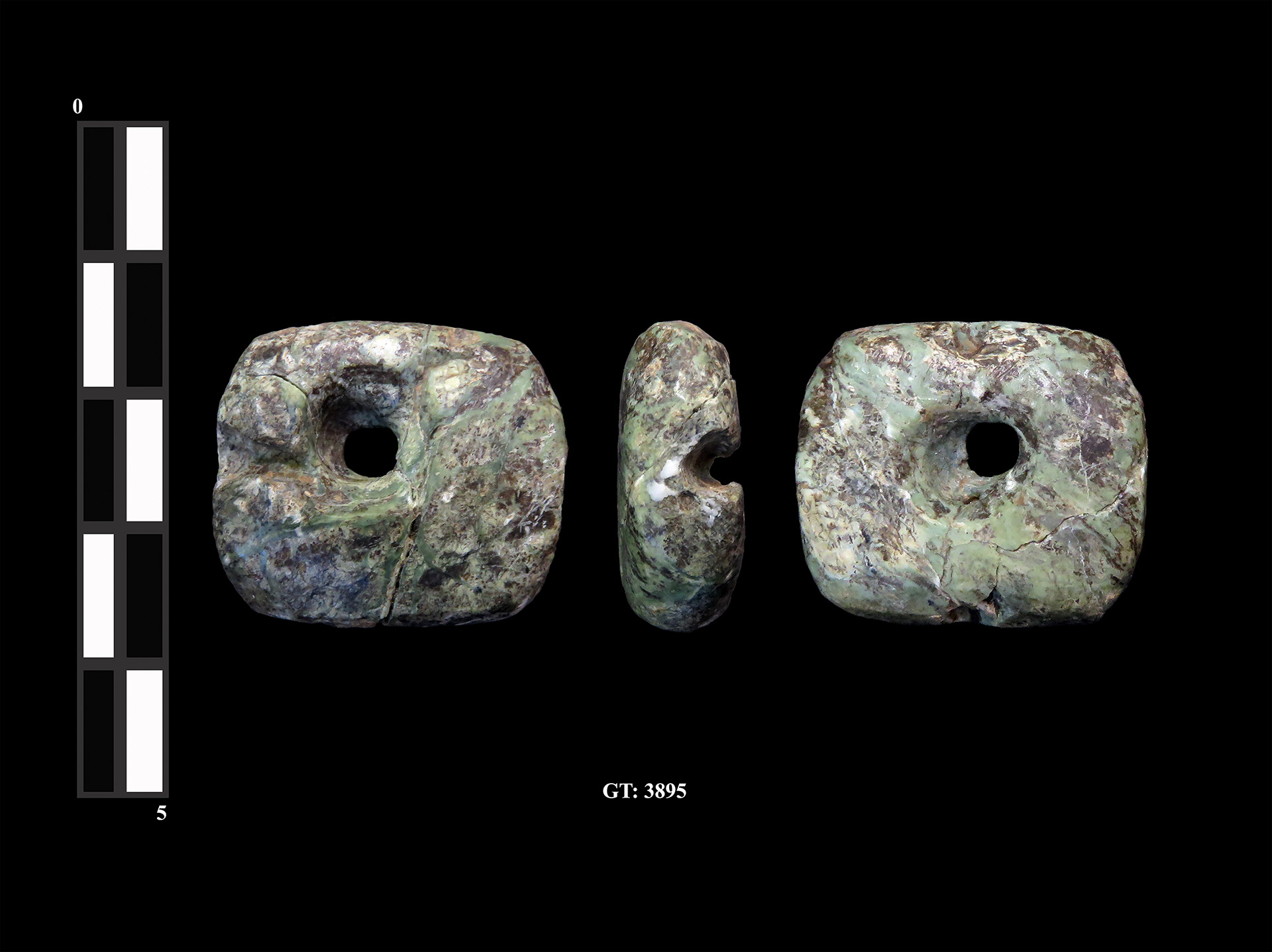
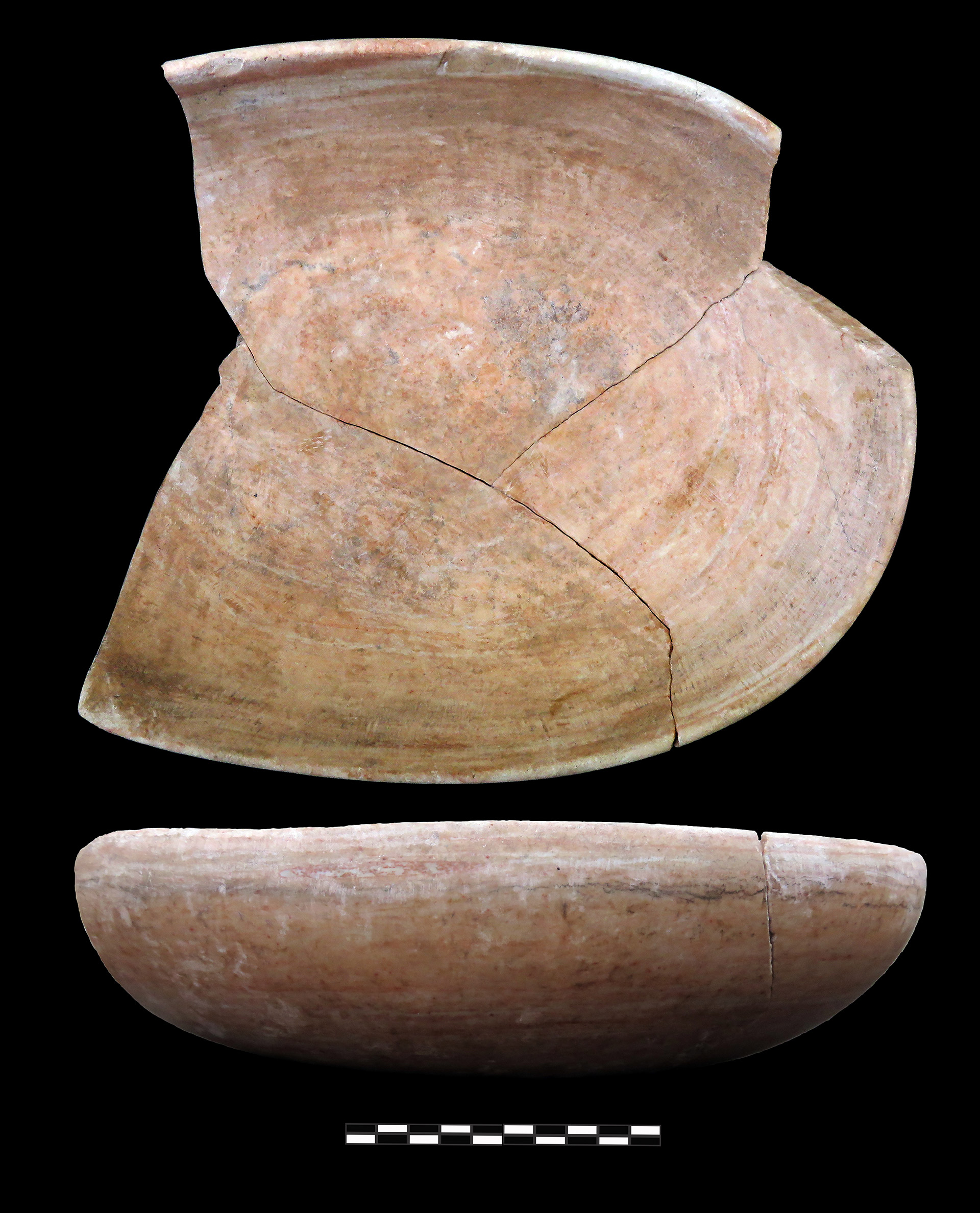
Starting in 2021, the second phase of research shifted focus to the western section of Gürcütepe III, which remains free from modern occupation. A grid system of 10×10 meters was employed, resulting in the excavation of six trenches at the mound’s highest point, where two distinct layers were identified. Just beneath the agricultural topsoil, Layer 1 revealed partially preserved evidence of stone-founded buildings featuring large rooms. Between and near the houses, the open areas contained hearths, middens, and firing pits showcasing burnt stones, indicating that these spaces were utilized for an extended period. These open spaces also served as workshops. A variety of artifacts, including limestone figurines, phalluses, weights made from different stones, bracelets, beads, vessels, flaked discs, palettes, axes, mortars, pestles, and other flaked stone objects, were discovered in this area, pointing to vibrant domestic and artisanal activities.