Çakmaktepe: An Ancient Precursor to Early Civilization
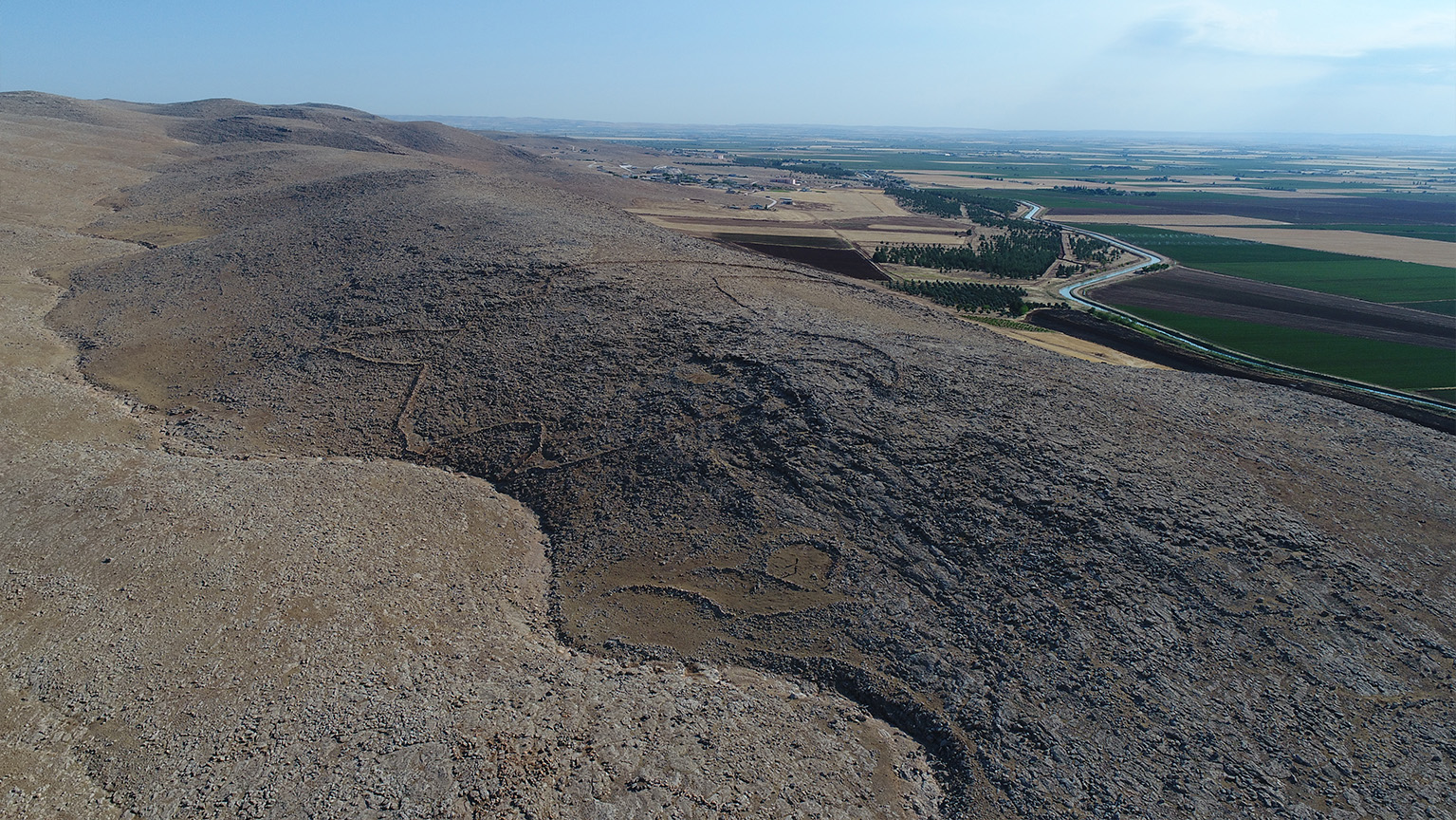
Located in Türkiye’s Şanlıurfa region, the archaeological site of Çakmaktepe has been identified as a settlement that predates Göbeklitepe and other “Taş Tepeler” (Stone Mounds) sites by nearly 1,000 years. This remarkable discovery has attracted international attention, especially following discussions at the World Neolithic Congress held in Şanlıurfa.
As part of the Taş Tepeler Project, Çakmaktepe provides invaluable insights into the early Neolithic period and challenges long-held assumptions about humanity’s first permanent settlements.
A Predecessor to Göbeklitepe?
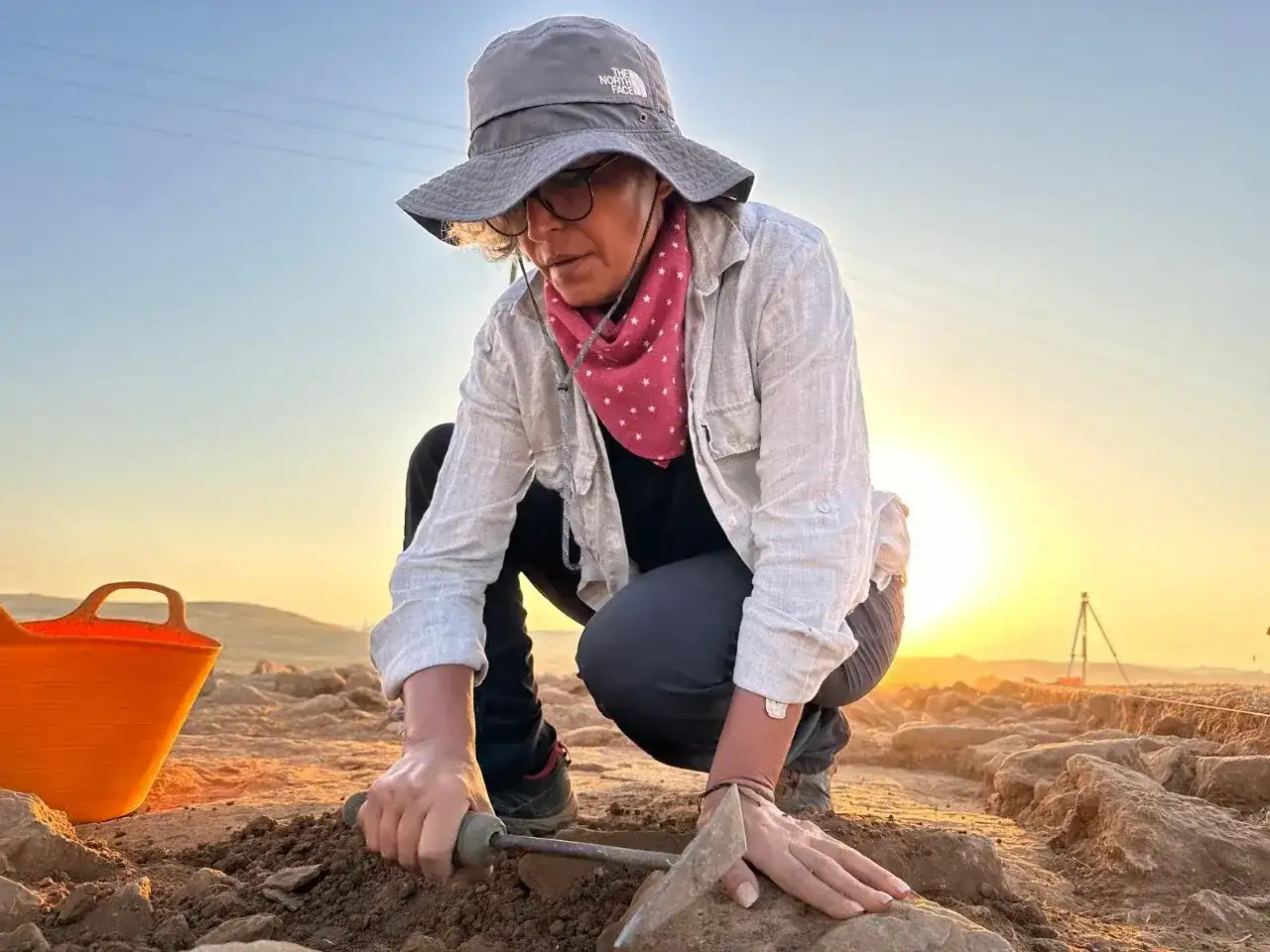
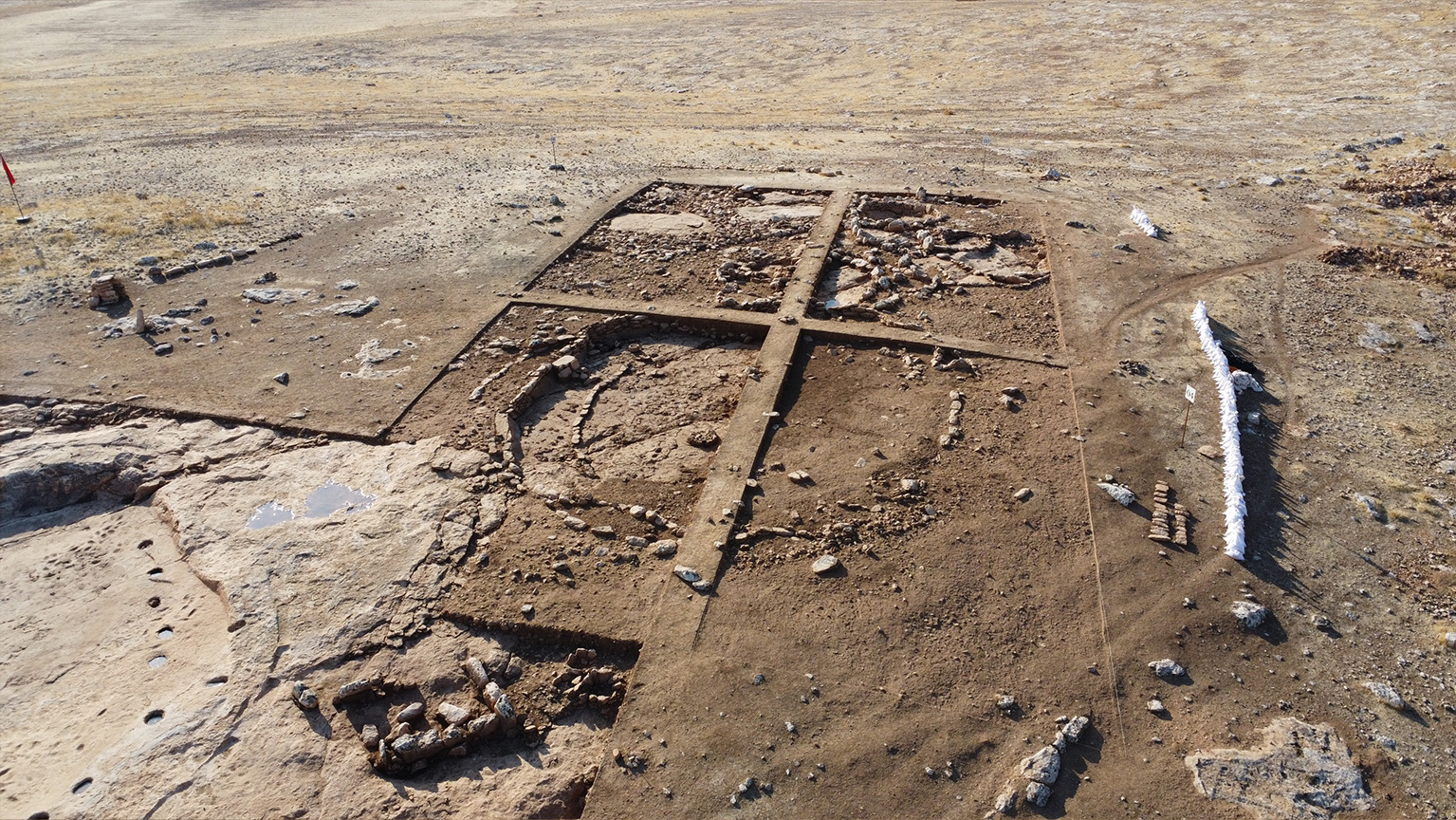
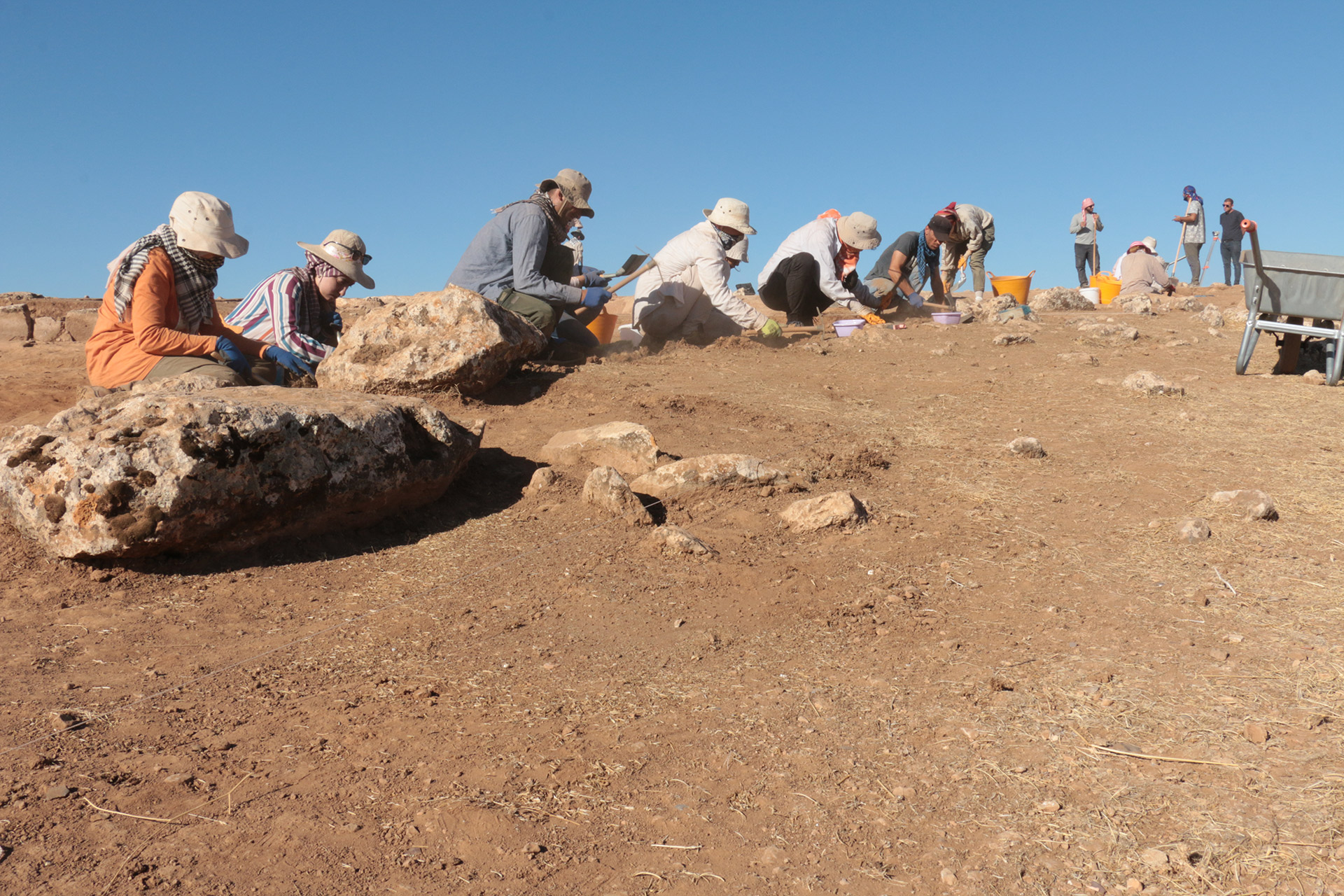
Excavations at Çakmaktepe, located in the Eyyübiye district, began in 2021 under the leadership of Associate Professor Fatma Şahin. Initial surface findings suggested that the site might be older than both Göbeklitepe and Karahantepe.
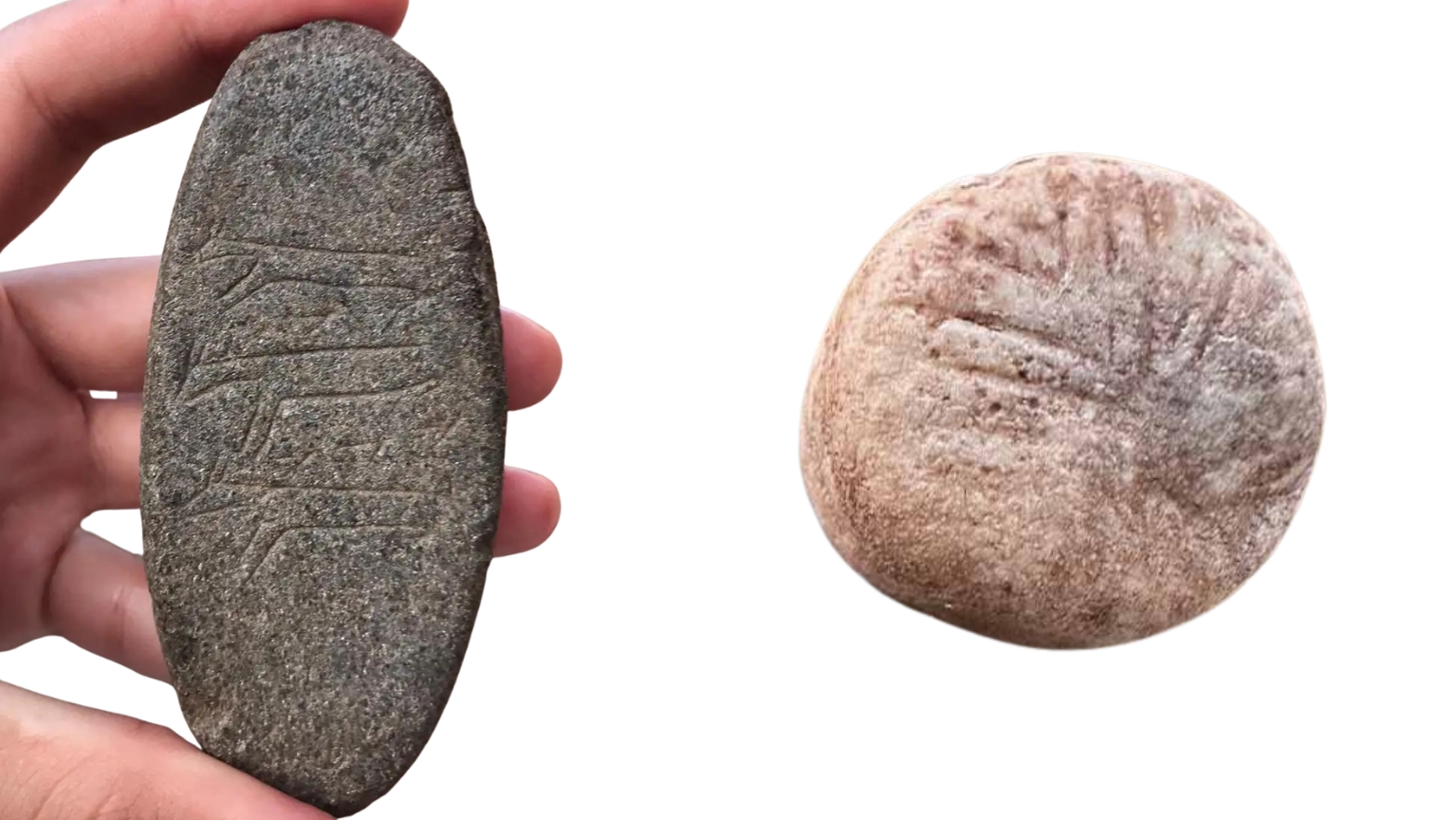
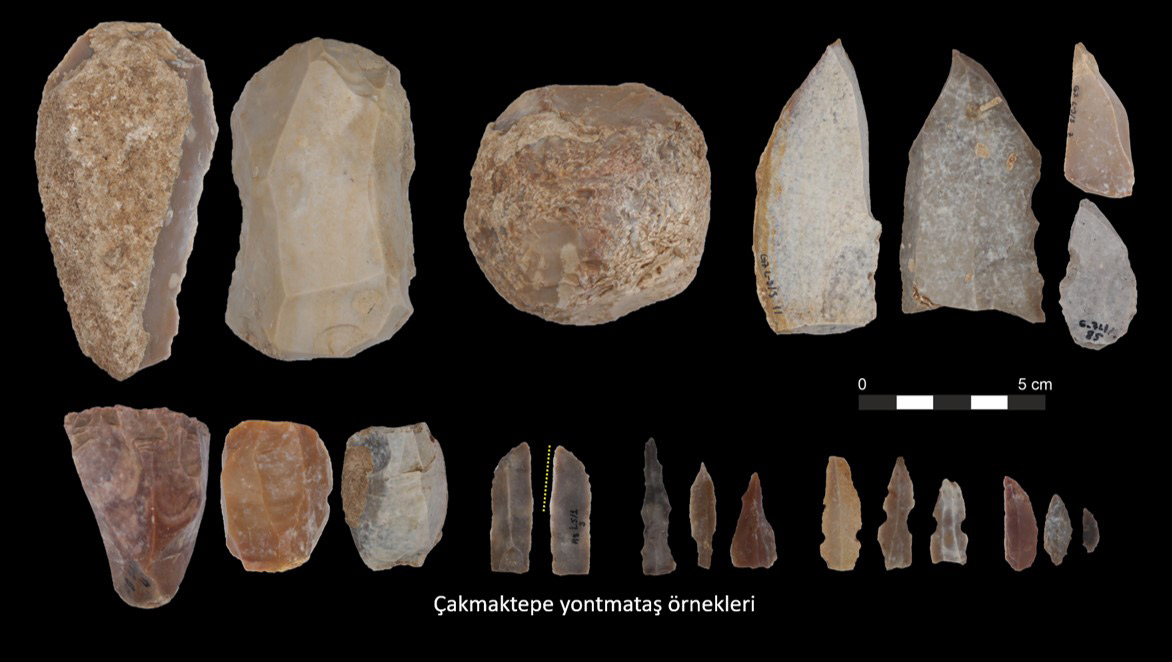
Although radiocarbon dating is still underway, Şahin notes that the stone tools discovered at the site indicate a date as early as 10,000 BCE, placing Çakmaktepe among the earliest known settlements in the region.
Unique Architectural Discoveries
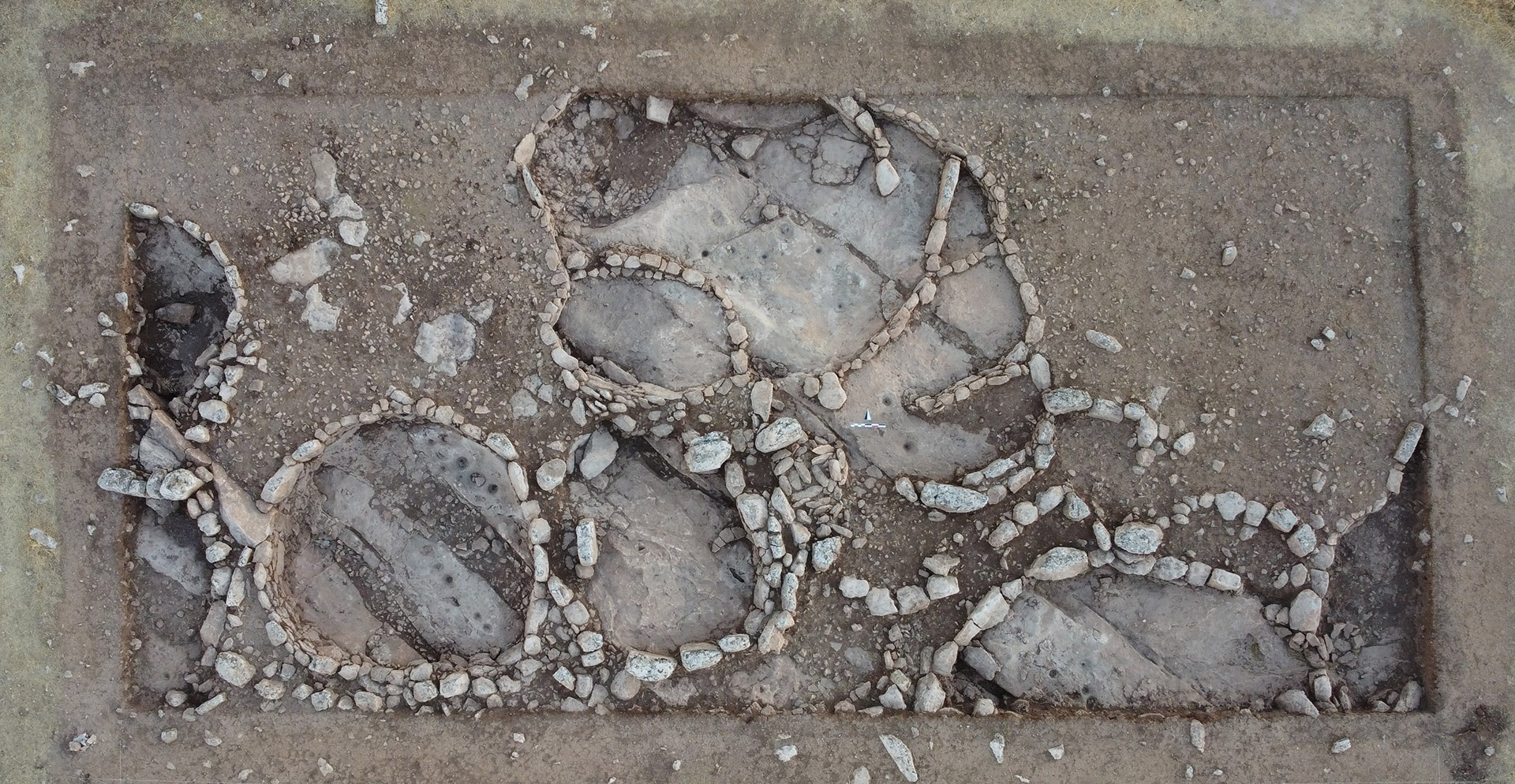
Çakmaktepe features a combination of small residential shelters and larger communal or specialized buildings. According to Şahin, while similar structures at Göbeklitepe are often referred to as temples, those at Çakmaktepe are better described as “special” or “communal” spaces.
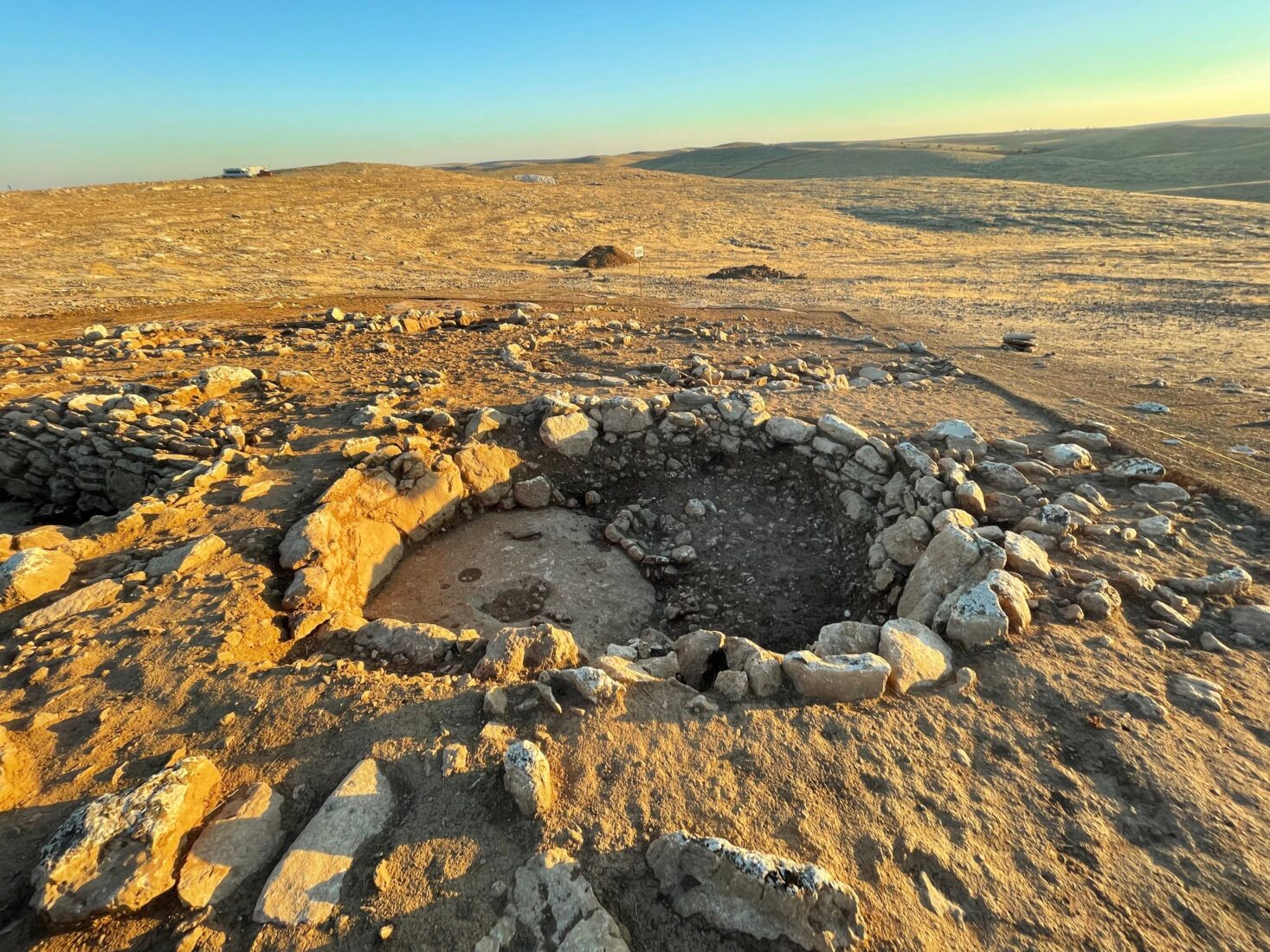
One of the most impressive structures, carved directly into bedrock, measures approximately 16 meters in diameter. Like those at Göbeklitepe, it was deliberately buried when abandoned. The dismantling process was carefully executed: standing stones were removed with precision, and wall stones were neatly stacked, reflecting advanced planning and strong cultural traditions.
From Modest Beginnings to Monumental Design
In contrast to the famous “T-shaped” pillars of Göbeklitepe, the standing stones at Çakmaktepe are simpler and resemble “I” shapes, lacking decorative carvings.
“These represent early prototypes of later pillars,” Şahin explains. “Wooden beams were likely used, and any decorations may have been carved into wood, which has not survived.”
The construction of a roofed structure with a 16-meter diameter demonstrates significant architectural skill and suggests an accumulation of knowledge that would later culminate in more elaborate sites such as Göbeklitepe and Karahantepe.
Evidence of Ritual Practices
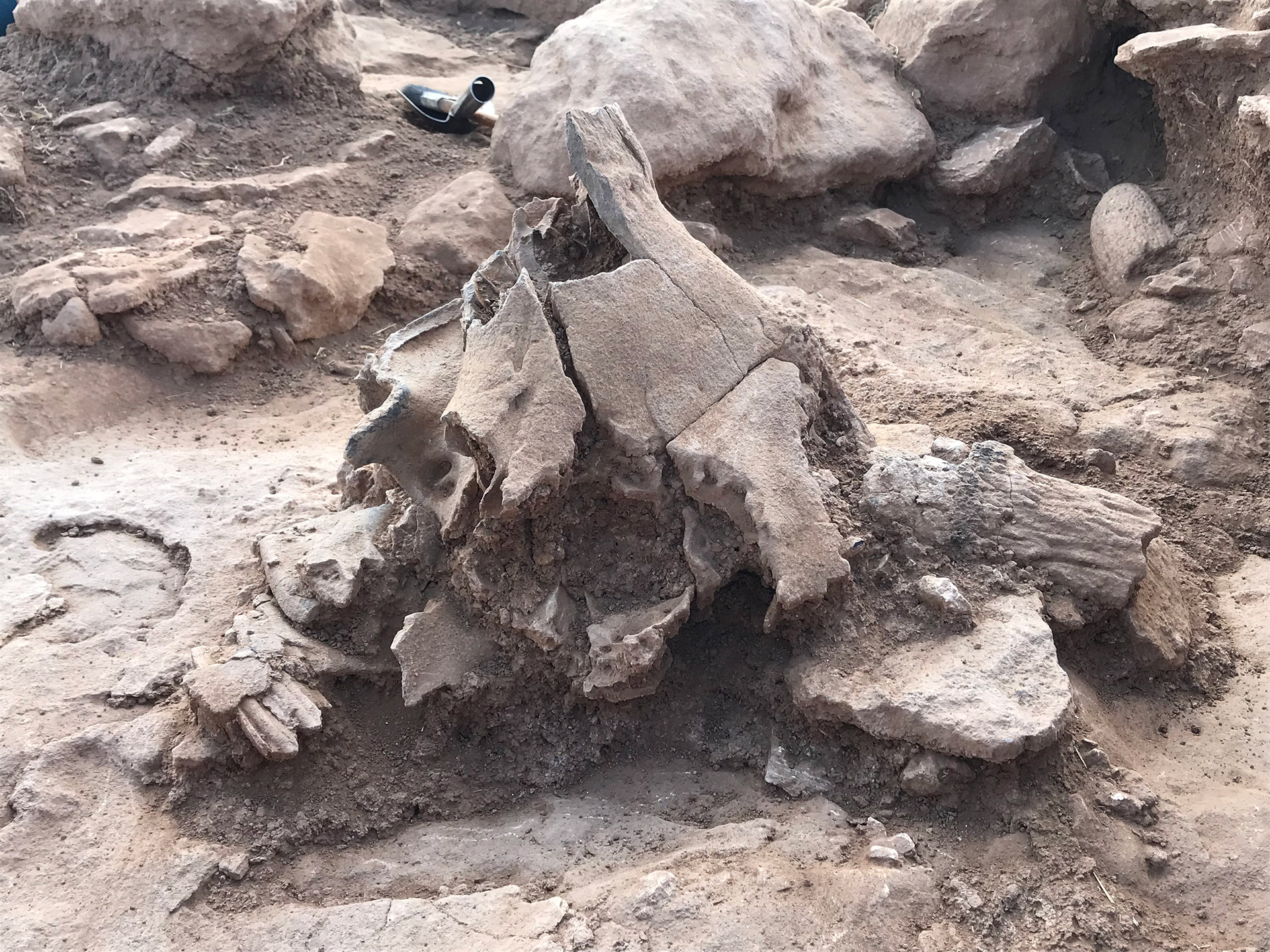
Excavations have revealed burned animal skulls—belonging to wild cattle, sheep, gazelles, and equids—positioned near the walls of partially excavated structures. Şahin interprets these findings as ritual in nature.
The skulls appear to have been placed deliberately at the base of walls and possibly burned to reinforce them. Unlike the carved animal imagery seen at Göbeklitepe and Karahantepe, these skulls may have served as symbolic masks or ceremonial objects.
Cycles of Renewal and Transformation
One of the most striking features of Çakmaktepe is the intentional burial of its buildings prior to abandonment. Şahin offers a thoughtful comparison:
“Just as we bury loved ones while preserving their memory, these communities buried their structures to honor and preserve their meaning before creating new ones.”
This practice suggests a deep spiritual connection to architecture and space, reflecting a worldview centered on continuity and renewal.
A Window into Humanity’s Early Past
Çakmaktepe stands as powerful evidence of the creativity, organization, and spiritual life of early Neolithic communities in Türkiye. As excavations continue, the site is expected to further illuminate the origins of monumental architecture, ritual traditions, and communal life.
Together with sites like Göbeklitepe, Çakmaktepe helps trace the foundations of human civilization and offers a profound glimpse into the earliest chapters of our shared history.