Nevali Cori
Though a sacred city for most, you see all generations
enjoying the lighter side of the ancient city. The sanctity allows for play.
world class at easily reachable on foot.
yet prevailed, lays in rest here in Şanlıurfa.
yet prevailed, lays in rest here in Şanlıurfa.
yet prevailed, lays in rest here in Şanlıurfa.
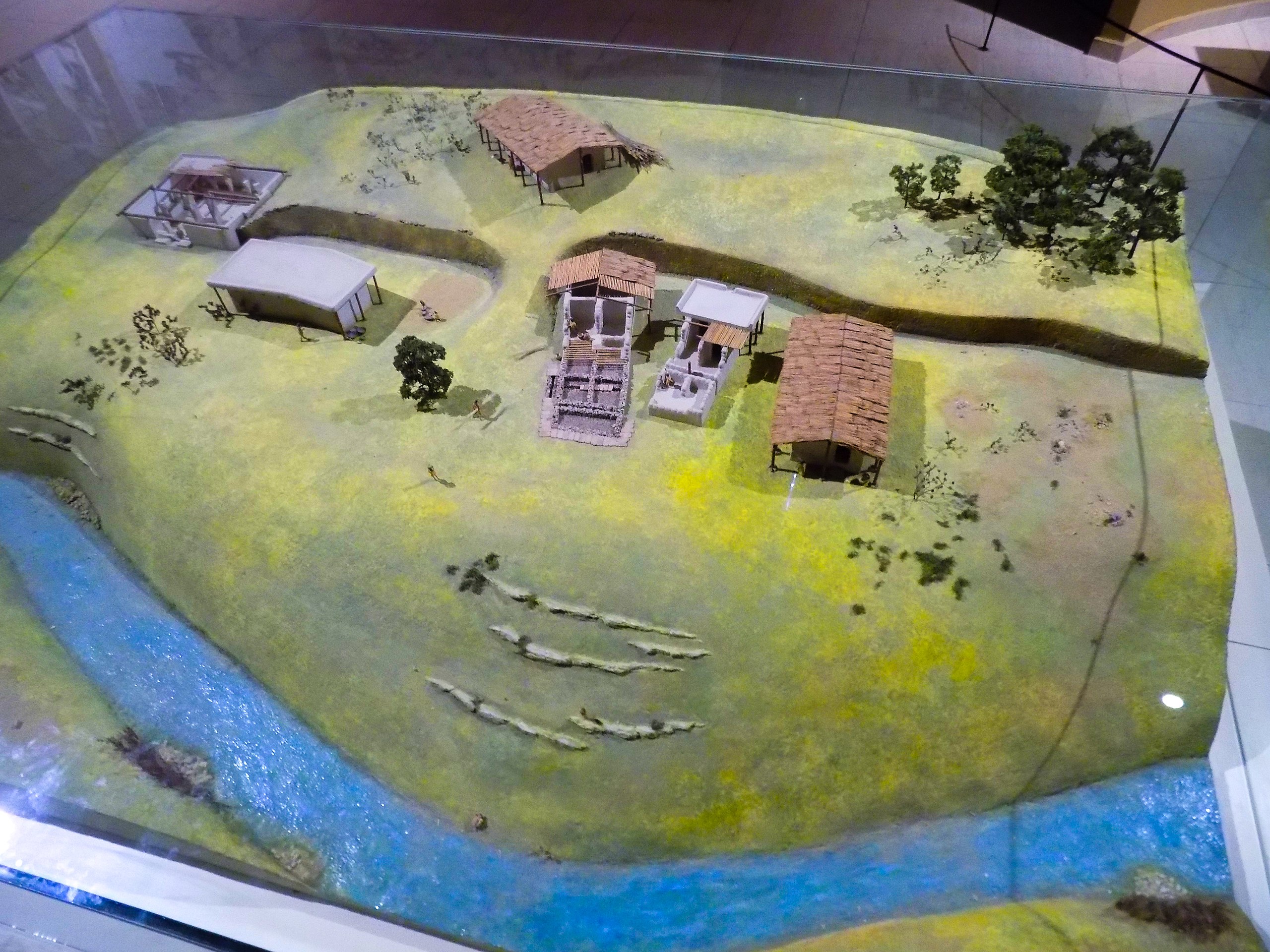
Nevalı Çori is an early Neolithic settlement in southeastern Turkey, located on a terrace above the Euphrates River, approximately 30 kilometers north of Şanlıurfa. It dates to the Pre-Pottery Neolithic B (PPNB) period, from circa 8700 to 7500 BCE. Excavated between 1983 and 1991 as a rescue operation before the construction of the Atatürk Dam, the site was directed by archaeologist Harald Hauptmann from the University of Heidelberg. The excavations revealed a village with rectangular domestic buildings, hearths, storage facilities, and evidence of early agriculture, including domesticated einkorn wheat.
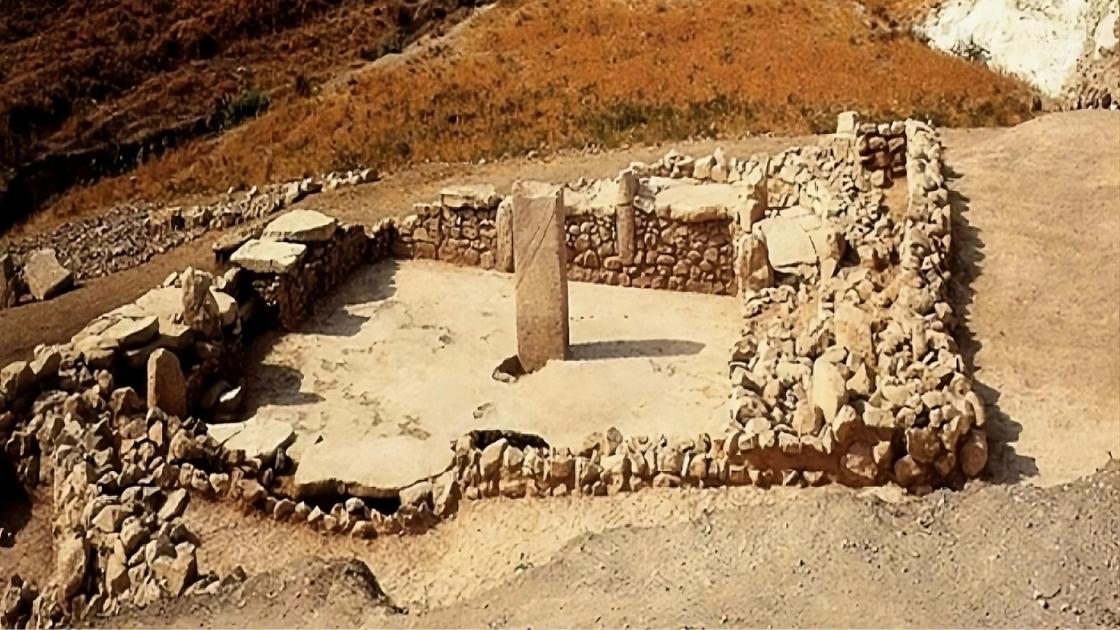
The site’s most notable feature is a large, semisubterranean cult building containing T-shaped limestone pillars, some reaching up to 3 meters tall. These pillars were adorned with carved arms, hands, and animal motifs, representing early monumental stone architecture and anthropomorphic sculptures. Additional artifacts found include life-sized human statues, clay figurines of humans and animals, and symbolic reliefs and engravings depicting animals. These discoveries highlight advanced artistic expression and possible ritual practices among early sedentary communities.
Now submerged under the Atatürk Reservoir since 1992, Nevalı Çori’s findings have profoundly influenced the understanding of the Neolithic Revolution. The site illustrates the role of communal cult structures in fostering social complexity and the spread of farming in Upper Mesopotamia before the advent of pottery.
Geographical Setting
Nevalı Çori is situated in southeastern Anatolia, Turkey, within the Şanlıurfa Province, specifically the Hilvan District. It lies approximately 30 kilometers northwest of Şanlıurfa city and near the village of Güluşağı. The site occupies the upper reaches of the middle Euphrates River valley, positioned at about 490 meters above sea level in the foothills of the Taurus Mountains. Its coordinates are approximately 37°31′ N latitude and 38°36′ E longitude.
The settlement spans both banks of the Kantara Çayı (Kantara Stream), a tributary of the Euphrates River, within a side valley that forms part of the broader Euphrates basin. The terrain consists of a formerly flat valley depression deeply incised by the Kantara Stream, creating a furrow up to 6 meters deep, along with several tributary wadis that contributed to erosion of the site. The main preserved portion of the site lies on a triangular terrace on the eastern bank of the stream, situated beneath a steep hilltop, with the surrounding plateau separated from the valley bottom by the stream and two deep wadis.
This geographical positioning placed Nevalı Çori in a transitional zone between the alluvial plains of Upper Mesopotamia and the upland environments of the northern Fertile Crescent. This facilitated access to diverse resources such as riverine habitats and foothill vegetation during the Early Holocene. However, the site’s location in the path of the Euphrates led to its partial submersion following the construction of the Atatürk Dam in the early 1990s, with much of the settlement now lying beneath the reservoir of Lake Atatürk.
Environmental and Historical Background
Nevalı Çori is situated on a terrace above the middle Euphrates River in Şanlıurfa Province, southeastern Anatolia, approximately 30 kilometers north of Şanlıurfa city and on the Kantara Çayı, a tributary of the Euphrates, within the foothills of the Taurus Mountains. This location provided the settlement with a strategic position for accessing riverine resources and fertile plains during the early Holocene.
The modern environment is a semiarid steppe characterized by hot summers, mild winters, and annual rainfall below 400 millimeters, supporting sparse vegetation such as wild wheat, barley, lentils, chickpeas, and pistachios, alongside limited wildlife including threatened gazelle populations. In contrast, the paleoenvironment during the site’s occupation around 10,000-8,000 BCE was significantly more humid and productive. It featured lush oak-dominated woodlands, riverine forests, and open grasslands that sustained diverse fauna such as aurochs, wild boar, deer, sheep, goats, and gazelles, as well as abundant fish and waterfowl in nearby wetlands and lakes. This wetter climate, influenced by early Holocene pluvial conditions following the Younger Dryas cold phase, facilitated the transition from mobile hunter-gatherer lifestyles to sedentism, with evidence of early plant management, including domesticated einkorn wheat and exploitation of wild cereals in wooded and open habitats. The region’s multiple microenvironments—steppe, forest edges, and riparian zones—likely supported a mixed subsistence strategy, contributing to population growth and cultural complexity.
Historically, Nevalı Çori represents a key Pre-Pottery Neolithic B (PPNB) settlement, dating primarily to circa 8600-7000 BCE (calibrated). It was part of a broader network of early Neolithic sites in the Upper Mesopotamian region known as Taş Tepeler, which exhibit monumental architecture and symbolic art indicative of emerging social institutions among pre-agrarian communities. The site yielded evidence of rectangular houses, a communal “cult building” with T-shaped limestone pillars bearing anthropomorphic carvings, and burial practices, reflecting ideological and ritual developments that paralleled nearby sites like Göbekli Tepe and underscored the area’s role in the Neolithic Revolution. Occupied in multiple phases, it illustrates gradual shifts toward domestication and village life before later occupations in the Halaf and Bronze Age periods, though the Neolithic layers form its primary archaeological significance.
Initial Discovery
Nevalı Çori was first identified as an archaeological site in 1980 during a surface survey conducted by archaeologist Hans Georg Gebel in the upper Euphrates valley of southeastern Turkey. This survey, part of broader prehistoric investigations in the region ahead of dam construction, noted the mound’s potential based on visible traces of stone architecture and artifact scatters indicative of early settlement. The discovery highlighted the site’s significance within the Pre-Pottery Neolithic cultural landscape, prompting immediate plans for systematic excavation.
Excavation History and Methods
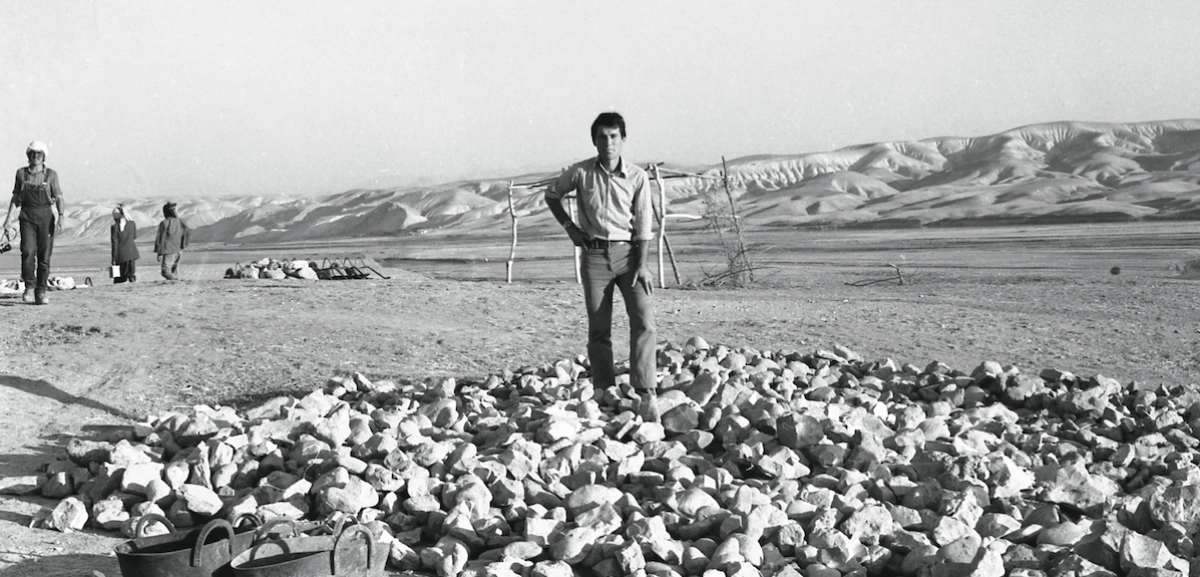
Excavations began in 1983 under the direction of Harald Hauptmann of the German Archaeological Institute, in collaboration with the Heidelberg University and the Şanlıurfa Museum. Initial digs focused on the eastern section of the site (Nevalı Çori I), uncovering a 2-meter-thick cultural layer rich in Aceramic Neolithic remains, including house foundations and early monumental features. The work was conducted with urgency due to the impending inundation by the Atatürk Dam reservoir, which submerged the site in 1992. These preliminary efforts established Nevalı Çori as a key PPNB settlement, revealing evidence of complex social and ritual practices.
The excavations at Nevalı Çori were initiated in 1983 as part of a large-scale salvage operation prompted by the construction of the Atatürk Dam on the Euphrates River, which threatened to submerge the site. Directed by archaeologist Harald Hauptmann from the University of Heidelberg, the project involved a multidisciplinary team that systematically uncovered approximately 20% of the 2-hectare settlement over eight seasons until 1991. Excavation methods emphasized stratigraphic analysis to delineate the Pre-Pottery Neolithic B (PPNB) layers, with careful documentation of architectural features and associated artifacts. Teams employed standard archaeological techniques, including hand excavation with trowels and brushes for delicate contexts, grid-based mapping, and photographic recording to preserve spatial relationships in the mudbrick and limestone structures. Particular attention was given to the central “special building,” a rectangular enclosure measuring about 16 by 14 meters, where T-shaped limestone pillars—some up to 3 meters tall—were exposed along the walls and in a central pair, revealing early monumental architecture. The work also included the recovery of numerous stone sculptures and numerous clay figurines through sieving of soil matrices and in-situ lifting of fragile pieces, such as life-sized anthropomorphic figures and bas-reliefs depicting animals and humans. Radiocarbon dating of organic remains from hearths and burials complemented the stratigraphic sequencing, confirming occupation around 8600-8000 BCE. These methods highlighted the site’s role in early sedentism and ritual practices, with findings transported to the Şanlıurfa Museum for conservation.
Current Status and Challenges
Excavations concluded abruptly in 1991 when rising reservoir waters flooded the site to a depth of up to 15 meters, preventing further fieldwork despite geophysical surveys suggesting untapped areas. Much of the documentation remains unpublished, though access to Hauptmann’s archives has supported subsequent analyses, including isotopic studies of human remains. This salvage effort not only preserved key evidence of Neolithic innovation but also informed later projects, such as those at nearby Göbekli Tepe.
Nevalı Çori has been fully submerged since 1992 under the Atatürk Reservoir following the completion of the Atatürk Dam, rendering the site inaccessible for further in situ archaeological work. Excavations, conducted urgently between 1983 and 1991 as part of a regional salvage program ahead of the flooding, successfully documented and removed key architectural elements and artifacts before the waters rose. The site, spanning approximately 2 hectares, is now part of the 288 hectares of cultural landscape lost to the reservoir, which inundated 187 of 338 identified prehistoric sites in the area.
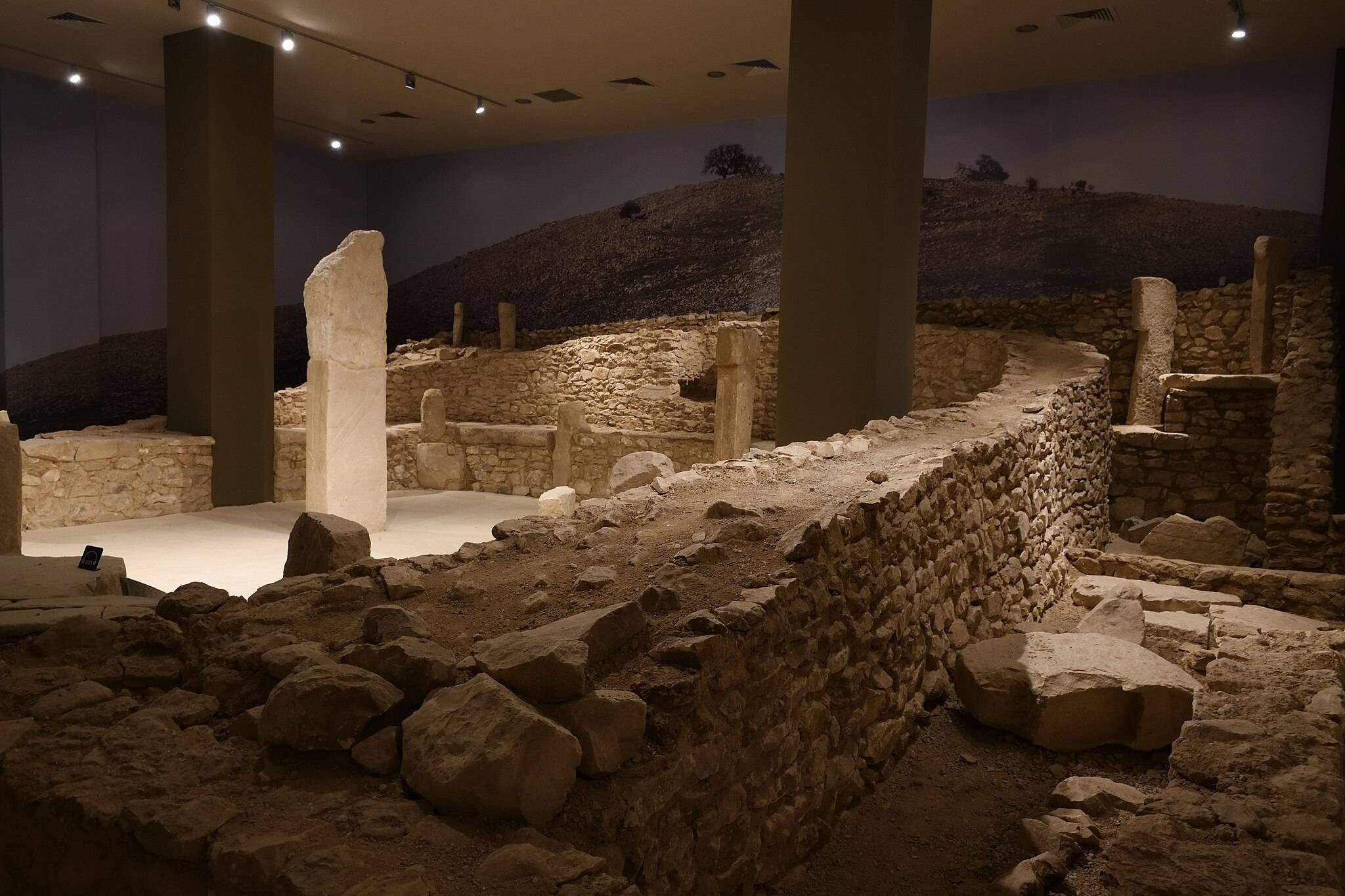
Major structures, including the notable terrazzo-floored cult building (House XIII), were dismantled stone by stone, numbered for reconstruction, and reassembled at the Şanlıurfa Archaeology and Mosaic Museum, where they provide a tangible representation of the site’s Pre-Pottery Neolithic architecture. Sculptures, such as anthropomorphic figures and animal reliefs, along with tools and other finds, are also preserved in this museum, facilitating ongoing analysis and public display. Recent studies, including isotopic and DNA analyses of human remains from the site, continue to yield insights into Neolithic mobility and diet, though these efforts are hampered by the artifacts’ age and handling during salvage.
The primary challenges stem from the site’s submersion, which precludes any additional stratigraphic or contextual investigations and limits opportunities for non-invasive techniques like geophysical surveys. Pre-flooding excavations were constrained by time pressures from the dam project, potentially leaving undiscovered features or peripheral areas unexplored, as only about 20% of the settlement was fully excavated. Post-flooding, while salvaged materials are conserved in controlled museum environments, the broader regional impact of hydropower developments highlights systemic issues, including inadequate coordination between infrastructure and heritage authorities, incomplete site surveys, and the irreversible loss of organic remains to anaerobic water conditions. These factors underscore the need for enhanced preemptive salvage strategies in vulnerable archaeological landscapes, as recommended in post-flooding damage assessments.
Dating Techniques
The dating of Nevalı Çori has been established through a combination of absolute and relative methods, with radiocarbon dating serving as the primary technique for determining the site’s chronology within the Pre-Pottery Neolithic B (PPNB) period.
Excavations under Harald Hauptmann in the 1980s and subsequent analyses identified three main stratigraphic levels (III, II, and I), corresponding to early, middle, and late phases of occupation, which provided the framework for sample selection. These levels were distinguished based on architectural changes, such as the presence of cult buildings in Level III and residential structures in upper layers, allowing for relative sequencing before absolute dating. Radiocarbon dating was initially conducted on charcoal samples from hearths and structural fills across the levels, yielding uncalibrated dates around 8400-8100 BP. These results, calibrated to calendar years, place the site’s main occupation between approximately 7500 and 7000 BC, aligning with the Middle PPNB.
More recent analyses, including accelerator mass spectrometry (AMS) on short-lived samples like cereal grains and animal bones from secure contexts, have refined this timeline. For instance, 23 new radiocarbon dates from PPNB layers confirm five sub-phases (I-V) spanning ca. 8700-7500 BC, with Level III (phases I–II) dated to 8700-8300 BC, Level II (phases III-IV) to 8300-7900 BC, and Level I (phase V) to 7900-7500 BC. These samples were pretreated to remove contaminants and measured at laboratories specializing in Neolithic materials, ensuring high precision for organic remains less prone to the old wood effect seen in charcoal. Stratigraphy complemented radiocarbon results by establishing superposition and cultural continuity, such as the transition from cult-focused structures in deeper layers to domestic ones above, without evidence of major hiatuses. Typological comparisons of lithic tools, like Nevalı Çori points and sickle blades, further corroborated the PPNB attribution by linking them to contemporaneous sites in the Upper Euphrates region, such as Göbekli Tepe. Overall, these techniques have solidified Nevalı Çori’s role as a key mid-9th to early 8th millennium BC settlement, with ongoing calibration updates refining the sequence.
Site Phases and Timeline
The archaeological excavations at Nevalı Çori revealed a multi-layered stratigraphy spanning several millennia, with the most significant occupation occurring during the Pre-Pottery Neolithic B (PPNB) period. The site’s Neolithic sequence consists of five distinct phases (I-V), identified through architectural remains, flint assemblages, and stratigraphic analysis, with Phase I representing the earliest layer and Phase V the latest within the PPNB. These phases are characterized by rectangular stone-built houses, communal structures, and evidence of ritual activity, reflecting a settled community with developing agricultural and symbolic practices.
Radiocarbon dating, including newly generated dates from bone and cereal samples, places the PPNB phases within a timeline of approximately 8700-7500 BCE. Specifically:
* **Phase I** aligns with early PPNB I (ca. 8700–8300 BCE), featuring initial settlement foundations and basic domestic architecture.
* **Phases II-III** correspond to middle PPNB II (ca. 8300-7900 BCE), marked by expanded building activity including the notable “Terrazzo Building” with its lime-plastered floors and associated sculptures.
* **Phases IV-V** fall into late PPNB III (ca. 7900-7500 BCE), showing intensified communal construction and the presence of underfloor channels in residences for environmental control.
The cult building within the settlement underwent three internal architectural sub-phases, incorporating T-shaped pillars and anthropomorphic reliefs, while later rebuilds added more elaborate monstrous figures. Above the Neolithic layers, the stratigraphy includes Chalcolithic (Halaf period, ca. 5500-5000 BCE) deposits with pottery and smaller settlements, followed by Early Bronze Age I remains (ca. 2900-2800 BCE) indicating continued but sparse occupation. Subsequent layers from the Iron Age (ca. 1200–30 BCE) and Roman Imperial period (ca. 1st-3rd century CE) show evidence of episodic use, possibly for agricultural or transient purposes, before the site’s partial submersion by the Atatürk Dam in 1992. The overall timeline underscores Nevalı Çori’s role as a long-term hub in the Upper Euphrates region, bridging early sedentism in the PPNB to later prehistoric and historic adaptations.
Residential Buildings
The residential buildings at Nevalı Çori, dating to the Pre-Pottery Neolithic B (PPNB) period (ca. 8500-7500 BCE), exemplify the transition to more standardized domestic architecture in southeastern Anatolia. These structures are predominantly rectangular with a cell-plan layout, featuring multiple interconnected rooms arranged in parallel sequences, often subdivided by internal wall projections that suggest functional divisions for storage, living, and possibly production activities. Unlike the site’s more elaborate communal structures, these houses emphasize practicality and communal living within a settled farming community.
Typical dimensions for these houses range from 5-6 meters in width and 10-12 meters in length, with some variations up to 8 x 6.5 meters, oriented along a north-south axis to align with local topography and settlement patterns. Construction involved stone foundations supporting mud-brick walls, which were frequently plastered and sometimes decorated with colored pigments such as black, yellow, or red on walls, floors, and structural elements like rectangular marl pillars (approximately 1.2 x 0.7 meters). Underfloor channels and spaces beneath the floors provided ventilation, drainage, or storage, indicating adaptations to the local semi-arid environment and possibly early experimentation with multi-level use, interpreted in some cases as mezzanine-like divisions with two to three parallel room flights.
Excavations reveal that these domestic units were clustered in the eastern section of the site, forming a cohesive settlement layout with up to five architectural levels, reflecting gradual evolution and rebuilding over time. Artifacts such as stone sculptures and tools found within the houses suggest integrated daily life, including symbolic elements that blur lines between domestic and ritual spheres, though the structures themselves lack the monumental T-shaped pillars characteristic of the site’s cult buildings. This architecture underscores Nevalı Çori’s role in the broader PPNB cultural landscape, where housing supported sedentary lifestyles amid emerging agriculture and social complexity.
Communal and Ritual Structures
At Nevalı Çori, a prominent communal and ritual structure known as the “cult building” stands out as distinct from the site’s residential architecture, indicating specialized functions for social or ceremonial gatherings during the Pre-Pottery Neolithic B period (ca. 8600-8000 BCE). This semisubterranean, subrectangular edifice measures approximately 12.1 meters by 12.8 meters in phase III. It features a meticulously crafted terrazzo floor made of limestone chips set in plaster and a continuous wide bench of stone slabs lining the walls. The building underwent three successive phases of construction and renovation, suggesting repeated use and deliberate rebuilding, which underscores its enduring communal importance.
Central to the cult building’s design are its T-shaped monolithic limestone pillars, which represent early examples of monumental anthropomorphic architecture in the region. Two larger central pillars, each about 1.5 meters high, were positioned along the main axis, with relief carvings depicting stylized human arms and hands that evoke humanoid figures, possibly symbolizing deities or ancestors. These were encircled by 13 smaller T-shaped pillars integrated into the walls, creating an enclosed space that may have facilitated ritual performances or communal rituals. The pillars’ alignment, where the midpoint between the central pair coincides with the structure’s geometric center, reflects sophisticated planning principles shared with contemporary sites like Göbekli Tepe.
Artifacts within and around the cult building further highlight its ritual character, including large limestone sculptures of anthropomorphic and theriomorphic forms repurposed in secondary contexts, such as human heads, animal figures, and possible masks. These elements, combined with the building’s peripheral location at the settlement’s edge, suggest it served as a focal point for non-domestic activities, potentially involving ancestor veneration, feasting, or symbolic enactments that reinforced social cohesion among early Neolithic communities transitioning to sedentism. The structure’s distinct features, including hearths and potential roofing, differentiate it from domestic houses, emphasizing its role in emerging institutional practices.
Sculptures and Statues
Nevalı Çori is renowned for its pioneering evidence of large-scale stone sculpture in the Pre-Pottery Neolithic B period, particularly within a distinctive rectangular communal structure measuring approximately 12 by 13 meters. This building featured T- or gamma-shaped limestone pillars arranged along the walls and interconnected by a continuous stone bench, with a pair of larger central pillars rising to about 3 meters in height. These pillars, numbering around 12 in total, exhibit anthropomorphic traits, including carved arms bent at the elbows and hands positioned on the front, suggesting stylized human figures stylized as stylized guardians or participants in ritual activities.
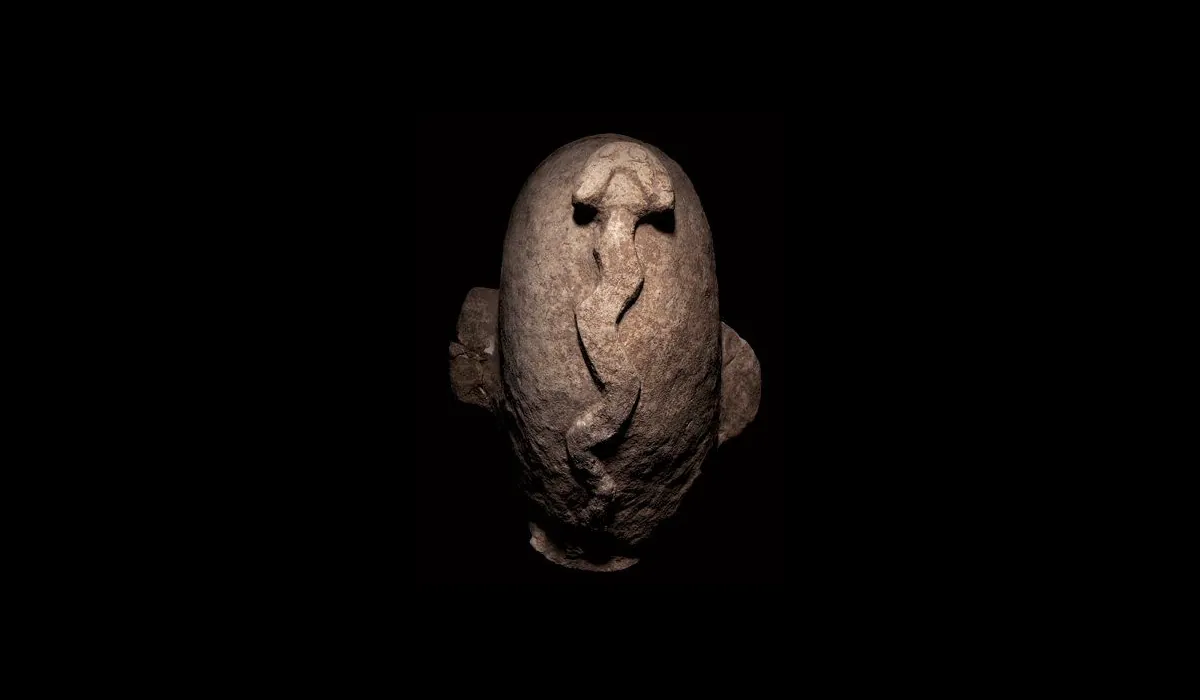
Among the most striking freestanding sculptures is a life-sized limestone human head, approximately 30 cm tall, discovered in fragmented form with its face deliberately defaced, possibly indicating ritual destruction or reuse. This “skinhead” statue, featuring a bald cranium topped by a coiled serpent, was repurposed as spolia in the wall of a later terrazzo-floored building, highlighting practices of secondary deposition in Neolithic contexts. The serpent motif evokes themes of transformation and the underworld, linking to broader Near Eastern iconography of renewal and danger.
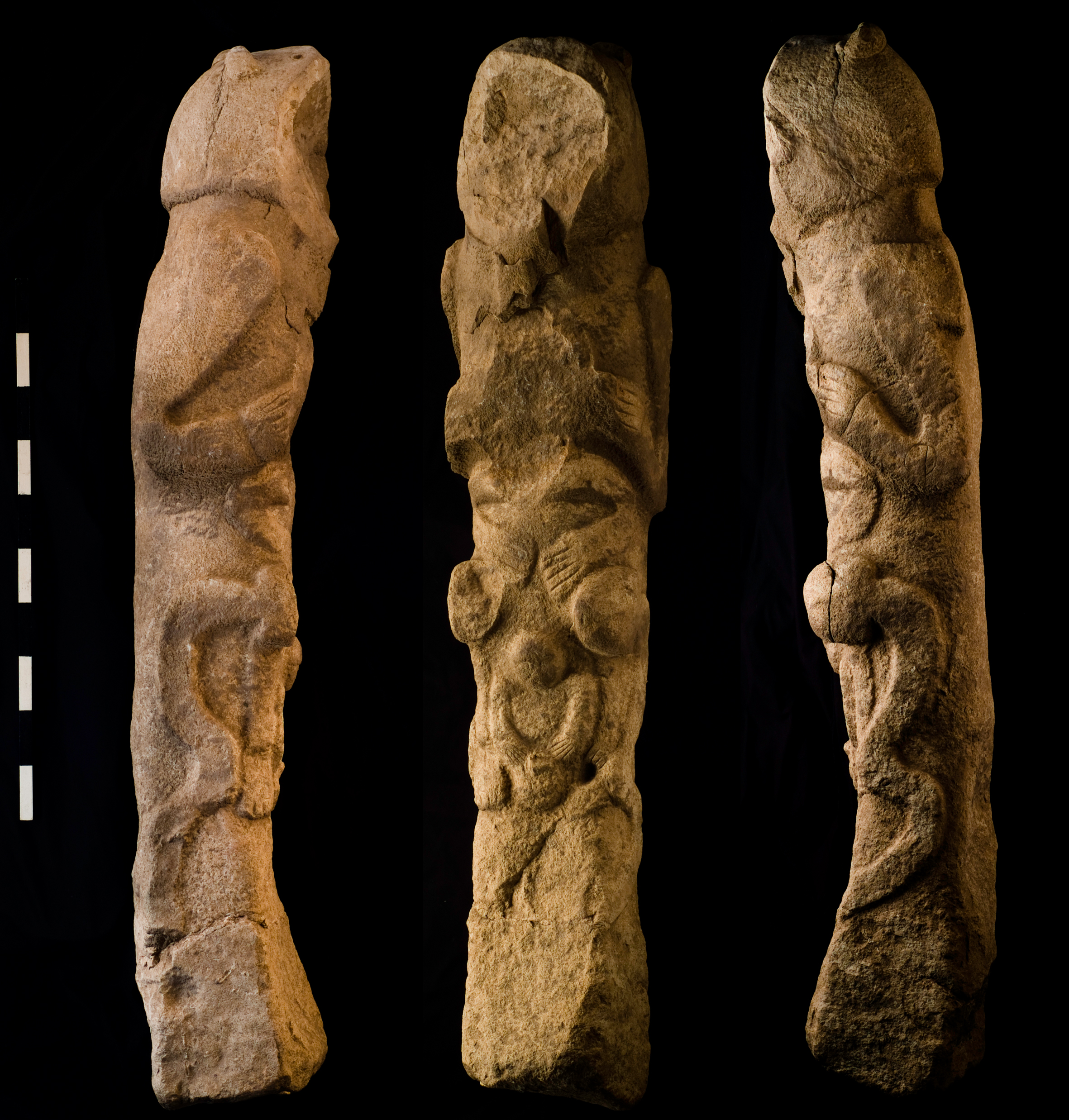
Additional monumental works include totem pole-like sculptures carved from limestone, such as one depicting a vulture clutching a human head in its talons, symbolizing predation or soul transport in a cosmological narrative. Another example shows a vulture grasping two human heads, partially damaged but preserving detailed anatomical features like beards and eyes, underscoring a focus on human-animal hybrids and mortality. These pieces, found in the same ritual enclosure as the pillars, measure up to 1.5 meters and feature high-relief carving techniques that emphasize skeletal structures and predatory mammals, including foxes and birds of prey. Phallic symbols and abstract human forms, such as masks and elongated skulls, further populate the assemblage, often carved with incised details revealing bony or emaciated features that may represent ancestors or supernatural beings. These sculptures, totaling over a dozen major pieces, were primarily limestone and placed in the enclosure’s interior, contrasting with the site’s simpler domestic architecture and indicating specialized craftsmanship by a segment of the community. Their discovery revolutionized understanding of early Neolithic art, prefiguring the more elaborate iconography at nearby Göbekli Tepe.
Bas-Reliefs and Engravings
One of the most distinctive artistic features at Nevalı Çori is the presence of bas-reliefs carved on T-shaped monolithic pillars within a cult building, dating to the Pre-Pottery Neolithic B period (ca. 8600-7900 BCE). These limestone pillars, numbering around 12 in the structure, feature stylized anthropomorphic figures with carved arms bent at right angles and hands touching at the front. The reliefs are executed with high precision, often finished on all sides, indicating a deliberate monumental style rather than incidental scratches.
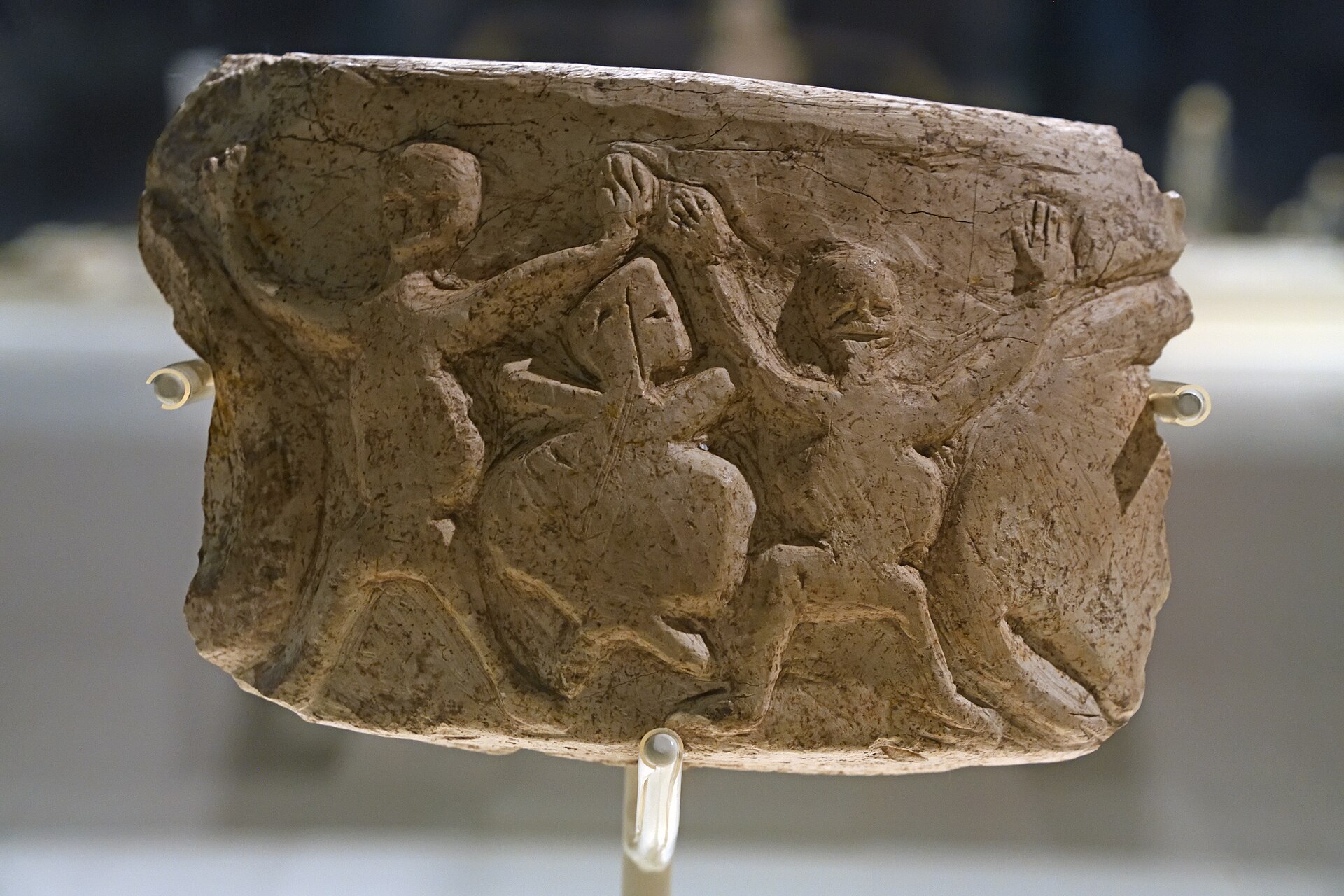
Animal motifs dominate many of the bas-reliefs, including foxes, snakes, wild boar, vultures, and other birds, typically depicted in low relief on the sides of the pillars or adjacent stone slabs. Hybrid imagery blending human and animal elements is also evident, such as figures with bird-beak noses on human torsos, pregnant women with raised arms, and vulture-topped pillars accompanied by crouching female forms, often carved on walls or basins within ceremonial contexts. A notable example is a limestone basin featuring a tortoise- or frog-like figure, symbolizing fertility or aquatic themes tied to the nearby Euphrates River. These carvings reflect an animistic worldview where animals and humans possess agency, possibly linked to hunting rituals, mythic narratives, or shamanistic transformations.
Engravings at the site appear on smaller objects, such as stone slabs and shaft-straighteners, featuring abstract signs, H-shaped forms, and miniaturized versions of the pillar motifs like snakes and upright quadrupeds turned at 90 degrees. These engravings, often in stone, connect to a broader symbolic repertoire shared with nearby sites like Göbekli Tepe, suggesting a regional network of sacred iconography across Upper Mesopotamia during the Pre-Pottery Neolithic. Interpretations emphasize themes of birth, life, death, and ancestor veneration, with bird motifs (e.g., vultures) indicating ritual roles for women in ceremonial practices. The overall assemblage, including a prominent “totem pole”-like pillar combining human and animal elements, underscores Nevalı Çori’s role as an early center for monumental art, influencing later Neolithic symbolic traditions.
Clay Figurines
Excavations at Nevalı Çori uncovered over 1,200 clay objects, with 665 classified as figurines, representing a significant assemblage from the Pre-Pottery Neolithic B period. These include anthropomorphic representations of both males and females, alongside rarer zoomorphic and abstract forms. Anthropomorphic figurines typically measure around 5 cm in height and depict standing males and seated females; males are often shown with belts or straps around the waist, while females lack prominent sexual characteristics. Zoomorphic examples are infrequent, featuring animals such as sheep, goats, bears, or boars, and abstract shapes suggest symbolic or stylized elements. The figurines were crafted from local illitic clays, with some using lightly fired soft marls, marking some of the earliest evidence of pyrotechnology in clay processing at the site.
Production techniques involved modeling pliable clay or carving solid lumps, often incorporating organic materials like fibers for reinforcement; many show signs of intentional firing, though temperatures varied, resulting in a range of hardness. Mineralogical and chemical analyses indicate raw materials sourced nearby, supporting local manufacture and distinguishing three petrographic groups based on composition. The majority of objects, including non-figurine items like beads (84 examples, disk- or cylindrical-shaped), miniature vessels (39, often flat- or round-based), spheres (93), and disks (13), were produced using similar clays. Most clay objects were recovered from refuse pits and open spaces between residential structures, with fewer found inside houses or embedded in walls; notably, six spheres were incorporated into the walls of the site’s cult building. Approximately 90% of the anthropomorphic figurines portray humans, contrasting with sparser animal or abstract motifs, and the assemblage includes substantial modeling waste (386 pieces), indicating on-site production.
The figurines are predominantly fragmented, with only two pieces refitting, suggesting deliberate breakage as part of use or deposition practices rather than accidental damage. Interpretations of the figurines point to ritual or magical functions within a broader Neolithic symbolic system, potentially serving as narrative aids, toys, or ceremonial props rather than fertility symbols or goddesses. Their deposition in domestic and communal contexts aligns with patterns at contemporaneous sites like Çatalhöyük and Cafer Höyük, where similar clay anthropomorphs appear, though male figures are less common elsewhere. This assemblage underscores Nevalı Çori’s role in early experimentation with fired clay and its integration into daily and ritual life.
Human Remains and Practices
Excavations at Nevalı Çori uncovered approximately 40 to 50 inhumations, primarily located beneath the floors of residential buildings or in interstitial spaces between houses, indicating a practice of intramural burial integrated into domestic life. No burials were found within the site’s cult building, suggesting a distinction between domestic and ritual spaces in mortuary practices. Burial practices at the site predominantly involved primary inhumations, but many featured secondary treatments, including the separation and removal of skulls and long bones after initial decomposition. Evidence points to deliberate manipulation, such as defleshing, with graves often reopened months or years later to extract crania; in one instance, a flint dagger was found positioned beneath a separated skull, interpreted as a tool used in this process. These actions align with a broader Neolithic skull cult in the Near East, where crania held symbolic significance, possibly related to ancestor veneration or social memory. Grave goods were minimal, with occasional inclusions like tools, but no elaborate offerings were consistently associated with the burials.
Paleoanthropological analysis of the skeletal remains from these burials reveals a population with access to a diverse, vitamin-rich diet derived from both hunting and early cultivation, reflecting the site’s mixed subsistence economy during the Pre-Pottery Neolithic B period (ca. 8400-8100 BC). One notable burial from the site’s latest phase included the body of an adult male interred alongside an anthropomorphic bird figurine, potentially within or near a temple-like structure, hinting at ritual elements in select interments. Overall, the burial evidence underscores communal ties to living spaces and selective post-mortem rituals focused on crania, contributing to understandings of early sedentism and symbolic practices in southeastern Anatolia.
Skeletal Analysis and Interpretations
The skeletal remains from Nevalı Çori, primarily recovered from intramural burials beneath house floors, represent at least 25 individuals, with analyses conducted on samples from 28 humans for isotopic studies. Stable isotope analysis of bone collagen revealed a predominantly herbivorous diet, with low δ15N values suggesting limited meat consumption and a transitional dietary shift from foraging to early agriculture during the Pre-Pottery Neolithic B (PPNB) period. Further analyses, including δ13C values from bone and enamel, indicate reliance on C3 plants such as wheat and legumes contributing up to 90% of caloric intake, with modest animal protein input (10-15%) and minimal incorporation of C4 resources like wild grasses. Strontium isotope (87Sr/86Sr) analysis on tooth enamel from 13 individuals showed high mobility in the early PPNB phase (PPNB I), with 6 of 7 sampled being nonlocal (range: 0.707856–0.708259), likely originating from regions like the Göbekli Tepe area during childhood. Mobility declined in later phases (PPNB II-III), with only 1 of 6 individuals nonlocal, correlating with increased sedentism and animal domestication. Oxygen isotope (δ18O) data supported regional movements within southeastern Anatolia. Ancient DNA analysis from six individuals demonstrated a diverse gene pool, with ancestry components from Anatolia, the Levant, and Iran/Caucasus, reflecting broad connectivity across the Fertile Crescent. Evidence of consanguinity, including a full-sibling union in a later post-Neolithic sample (NEV020), suggests small, interconnected communities with potential genetic risks. These genetic findings align with isotopic evidence of mobility, indicating dynamic population interactions during the Neolithic transition. Interpretations of these analyses highlight Nevalı Çori’s role in early Neolithic adaptations: a diet emphasizing cultivated plants amid challenges in animal husbandry, coupled with initially high mobility that stabilized as communities grew more sedentary. The diverse origins underscore the site’s position in regional networks, facilitating cultural and genetic exchange in the emergence of farming societies.
Significance in Neolithic Studies
Nevalı Çori’s cult building represents one of the earliest known examples of monumental architecture dedicated to ritual purposes in the Pre-Pottery Neolithic B period (ca. 8700–7500 BC), underscoring its central role in communal religious practices. The structure, often designated as Building III or Shrine 13C, measures approximately 12.1 by 12.8 meters and features twelve T-shaped monolithic pillars embedded in a continuous bench along three walls, with two additional pillars flanking the entrance. These pillars, some carved with anthropomorphic arms and hands clasped in a gesture of embrace, suggest a symbolic representation of human or divine figures, possibly evoking totemic or ancestral entities central to Neolithic cosmology. The arrangement, including a central pair of pillars and a rear niche, indicates a space designed for ceremonial gatherings, potentially tied to calendrical symbolism reflecting lunar or solar cycles, as the number twelve aligns with monthly divisions. Symbolism at the site emphasizes an animistic worldview, where humans, animals, and supernatural forces intertwined in ritual narratives. Reliefs and sculptures on the pillars depict foxes, snakes, birds, and hybrid forms, alongside human-headed poles topped by avian figures, pointing to beliefs in a spiritual landscape influenced by hunting, fertility, and cosmic order. A notable limestone bowl sherd illustrates two dancing figures alongside a tortoise, highlighting the turtle’s role as a symbol of stability or endurance in communal rituals, consistent with broader regional motifs. Such iconography, including a mother-and-child figurine, suggests practices involving social cohesion, possibly including feasting or structured depositions, where objects like pierced clay figurines were ritually “killed” to invoke protection or renewal. These elements reflect a cultural emphasis on collective identity formation during the shift to sedentism. In the broader Neolithic context, Nevalı Çori’s religious complex illustrates the integration of sacred and domestic spheres, distinguishing it from more isolated ritual sites like Göbekli Tepe while sharing stylistic continuities such as T-shaped pillars. The cult building’s location amid residential structures implies rituals reinforced social hierarchies and cooperative labor, serving as a precursor to later Mesopotamian temple traditions. This setup highlights the site’s significance in fostering early urban-like organization, where religious symbolism mediated human-environment relationships and community bonds in the Upper Euphrates region.
Connections to Broader Neolithic Developments
Nevalı Çori exemplifies key architectural innovations of the Pre-Pottery Neolithic B (PPNB) period (ca. 8700-7500 BC), particularly through its T-shaped pillars and monumental structures, which connect it to a regional network of sites in southeastern Anatolia. These features, including central larger pillars flanked by smaller ones in semisubterranean buildings, mirror those at Göbekli Tepe (approximately 60 km away) and Karahan Tepe, suggesting shared ritual practices centered on communal enclosures with animal and anthropomorphic motifs. This architectural tradition, part of the broader Taş Tepeler (“Stone Hills”) phenomenon, indicates coordinated cultural developments across the Urfa plain, where limestone quarrying and erection of massive monoliths (up to 5 meters tall) reflect organized labor and symbolic elaboration predating widespread agriculture. Strontium isotope analysis (87Sr/86Sr ratios) of human remains from Nevalı Çori reveals patterns of mobility that align with broader Neolithic transitions toward sedentism in the Fertile Crescent. In the site’s early PPNB phase (ca. 8700-8300 BC), six out of seven individuals exhibit nonlocal signatures (e.g., approximately 0.7081–0.7083), indicating residential changes and interactions with distant areas, including possible links to Göbekli Tepe’s faunal baselines. By the late PPNB (ca. 8300-7500 BC), only one of six individuals shows nonlocal origins, coinciding with architectural diversification (e.g., public, residential, and storage buildings) and increased reliance on domesticated plants and animals, marking a shift from hunter-gatherer mobility to settled communities. This trajectory parallels developments at sites like Çayönü, underscoring Nevalı Çori’s role in the gradual intensification of resource management across the Upper Euphrates region. Genome-wide ancient DNA from PPNB individuals at Nevalı Çori demonstrates genetic affinities with Anatolian hunter-gatherers, Levantine populations, and Iranian groups, highlighting long-distance networks that facilitated the spread of Neolithic practices. For instance, samples like NEV009 show mixed ancestry, with close relations to late PPNB groups at Ba’ja in the Southern Levant, including shared patterns of consanguinity and isotopic evidence of regional mobility. These connections extend to skull modification and ritual practices observed in Levantine PPN sites, suggesting Nevalı Çori participated in a Fertile Crescent-wide exchange of ideas and people during neolithization. Overall, Nevalı Çori contributes to redefining Neolithic developments by illustrating early social complexity, including craft specialization and public architecture, in pre-agricultural contexts. Unlike later Pottery Neolithic sites, it challenges linear models of sedentism by showing ritual monuments as precursors to organized societies, influencing interpretations of the “Out-of-Anatolia” dispersal of farming and symbolism. Its integration into regional studies, such as the Taş Tepeler project, emphasizes how such sites fostered ideological unity amid ecological adaptations in the 9th-8th millennia BC.


