Sefertepe is situated in Eskikale Village, within the Viranşehir district of Şanlıurfa, approximately 72 kilometers east of Şanlıurfa’s city center and 25 kilometers west of Viranşehir. It is recognized as the easternmost of the known settlements from the Pre-Pottery Neolithic Period on the Şanlıurfa Plateau and is part of the Euphrates Basin.
During a lecture at Harran University on Neolithic societies and Göbeklitepe, a history student named Sefer remarked that his village contained pillars reminiscent of those found at Göbeklitepe. Following this insight, his professor visited the village, leading to the discovery of these pillars. Surface surveys in 2003 resulted in Sefertepe being classified as a second-degree archaeological site, named in honor of the student Sefer.
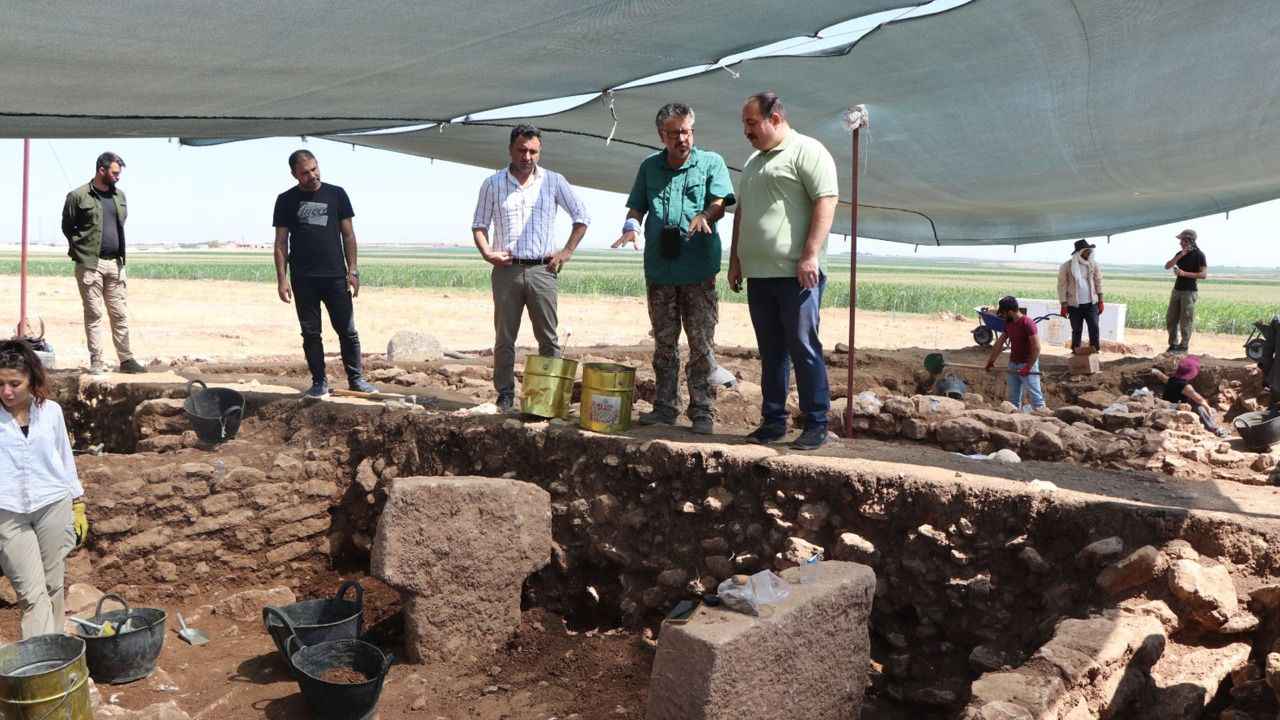
In 2021, archaeological excavations commenced under the Şanlıurfa Neolithic Age Research Project – Taş Tepeler, led by the Şanlıurfa Museum in collaboration with the Prehistoric Archaeology Department of Istanbul University. The findings indicate that Sefertepe is a relatively small, lowland settlement compared to other Neolithic sites in the region.
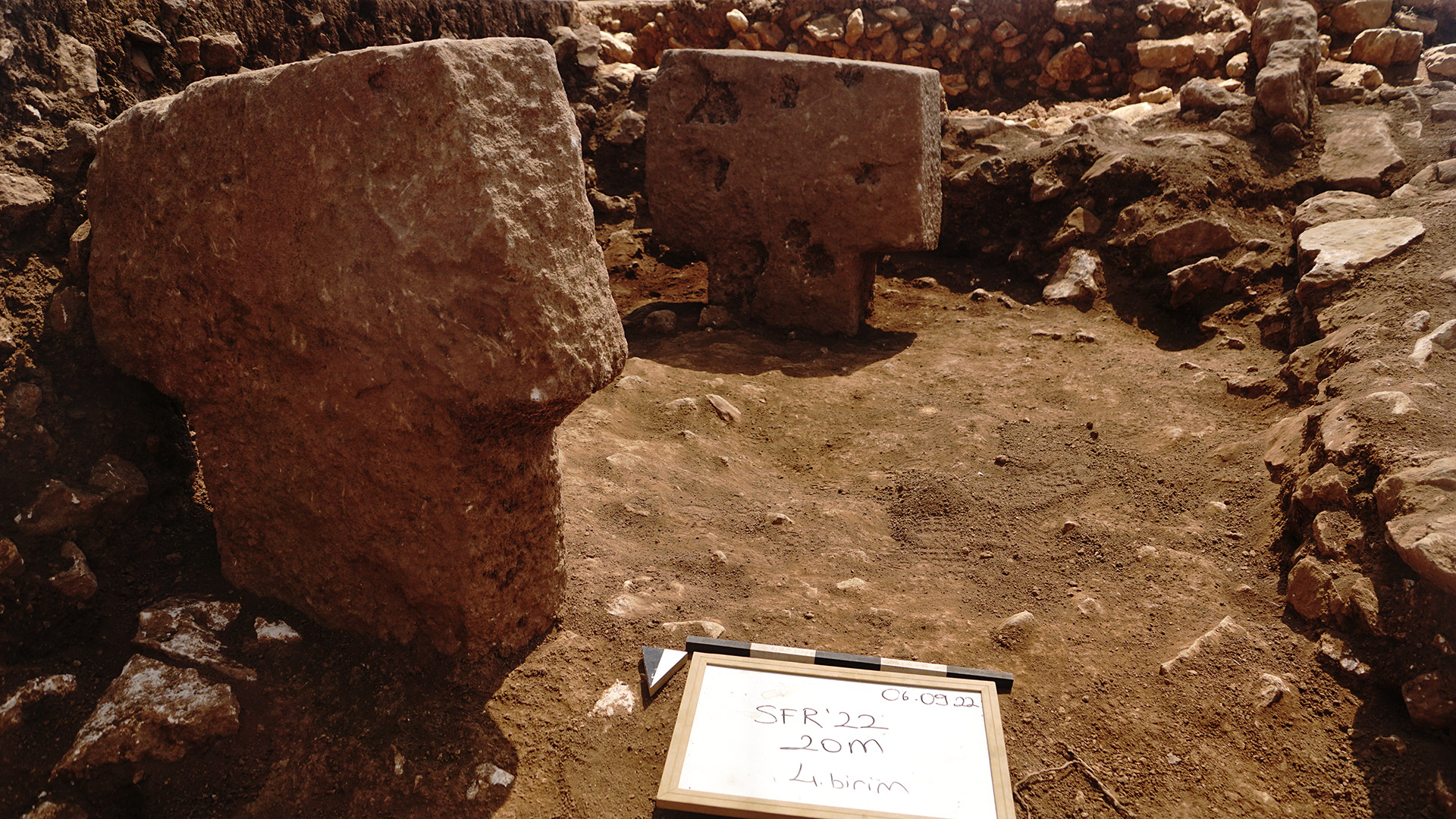
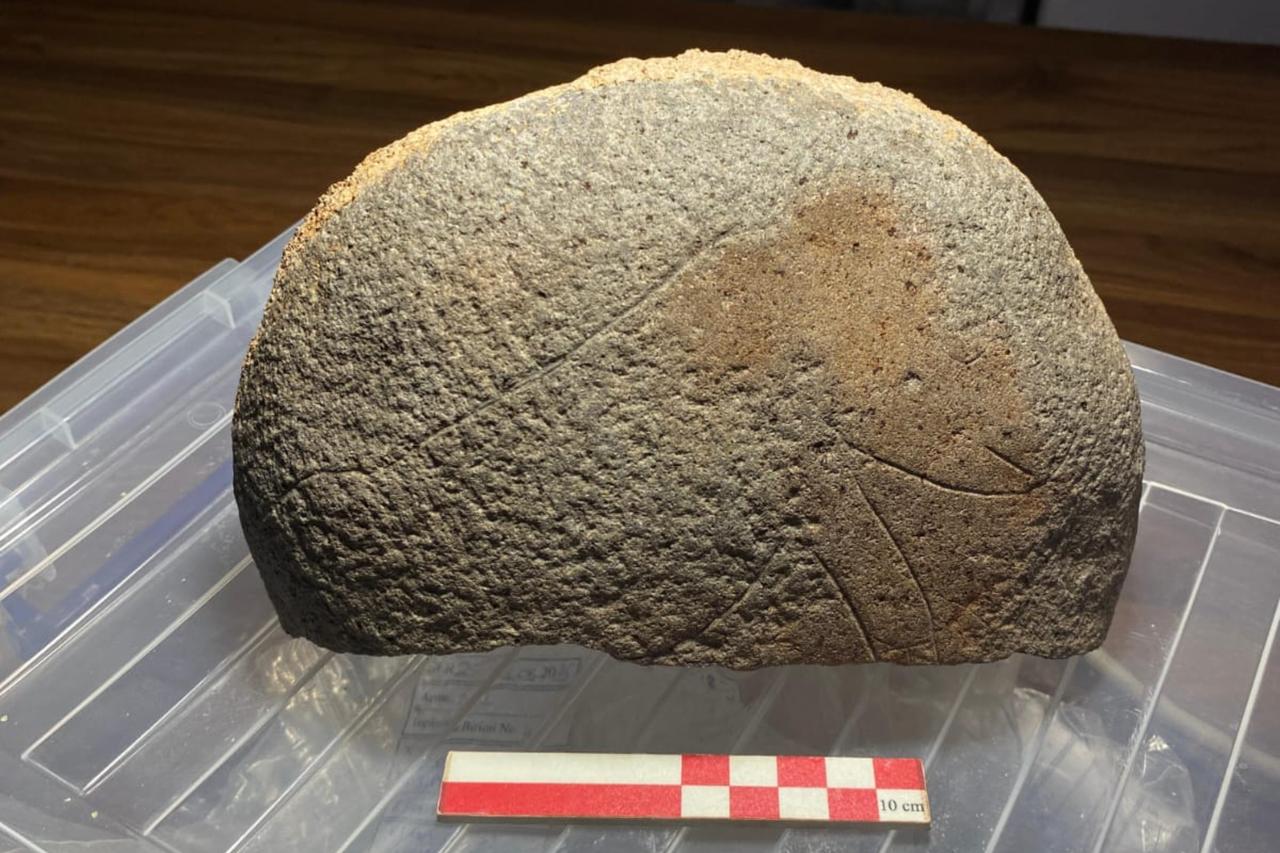
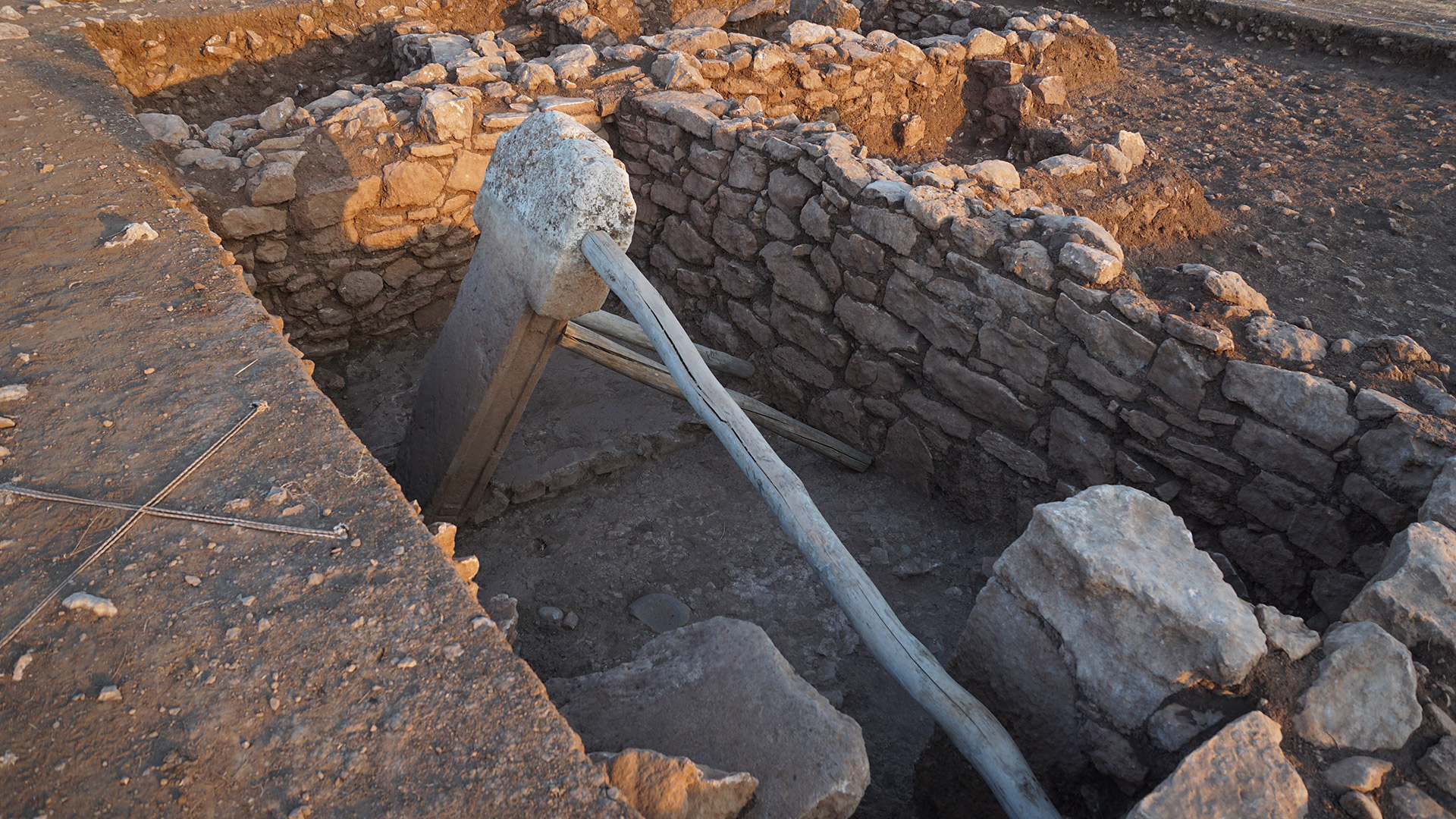
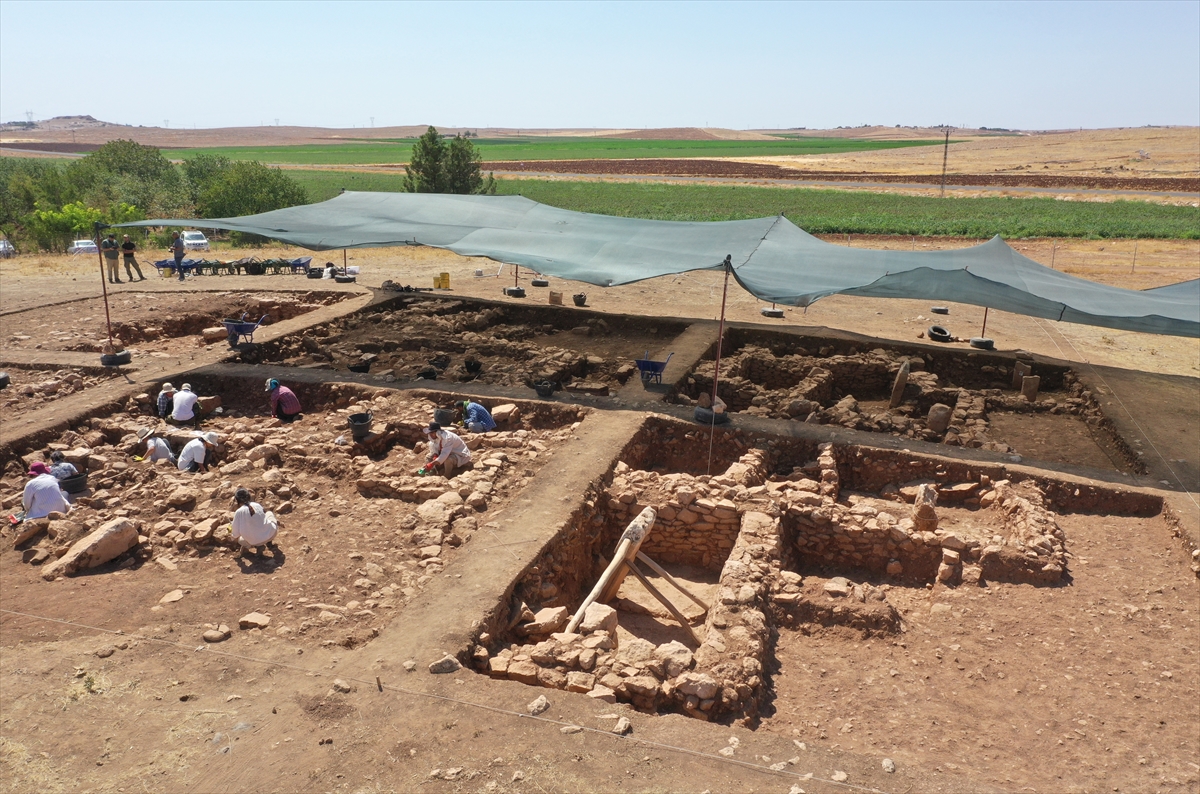
Among the discoveries is a rectangular public building, likely designated for social or communal functions. Inside, two opposing pillars were found, which seemed to have been intentionally broken. The structure also features architectural elements like buttresses, niches, and a hearth nestled between two basalt stones, along with a large stone vessel and grinding stones in the southwestern corner, suggesting the space’s public utility.
Notably, the 19M Trench at Sefertepe has yielded numerous human skeletons, including 21 skulls found clustered in what is termed “The Skull Room,” linked to a Neolithic “skull cult.” Additionally, fetal and infant skeletons and other human bone remains were located in the eastern and western corners of the building, with paired pillars also yielding skeletal remains in the northwestern section.
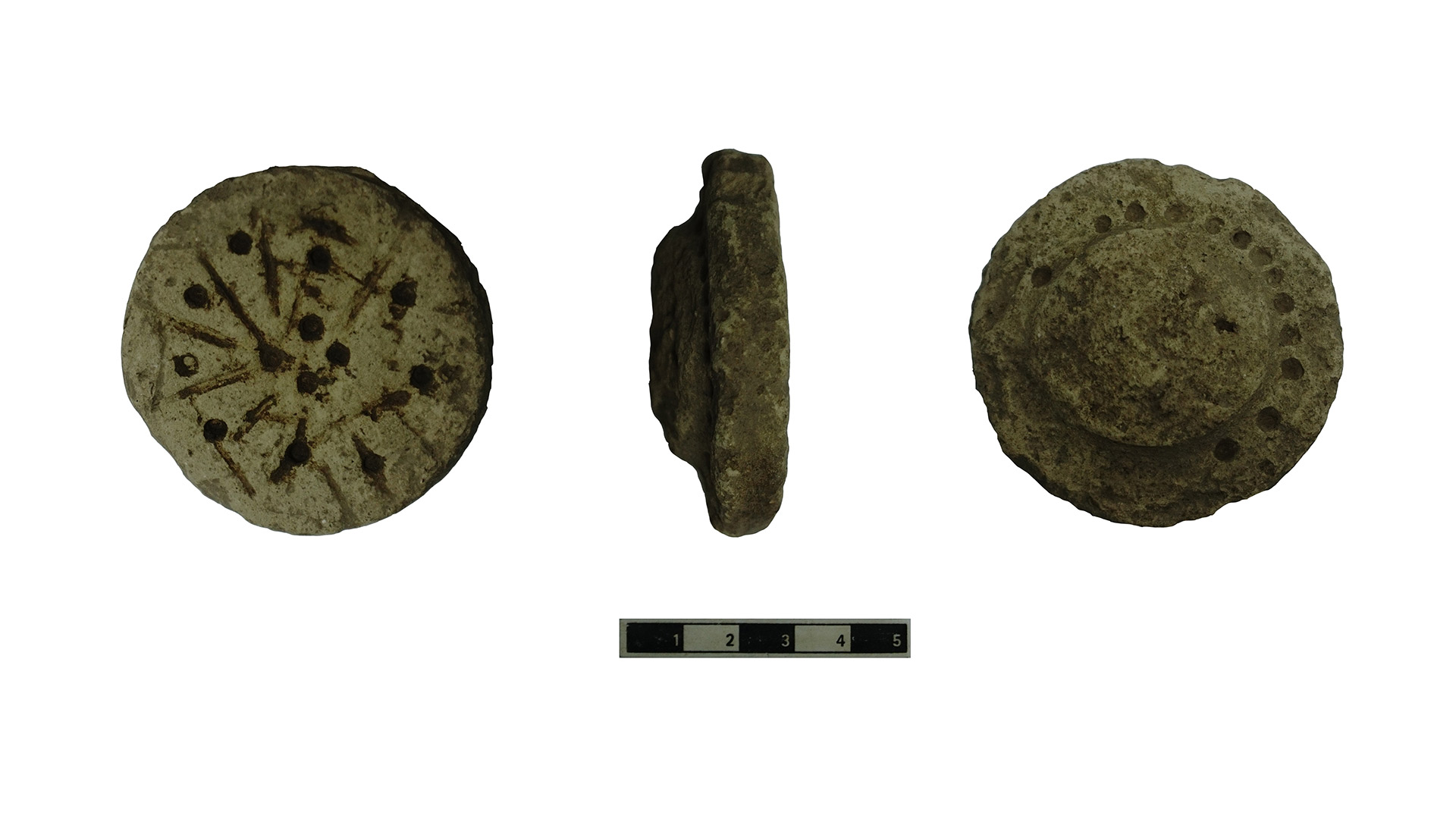
Sefertepe is distinguished by its use of chipped stone, ground stone, and bone tools, with about 90% of the raw material being flint, alongside some obsidian. Archaeological finds include arrowheads, spearheads, scrapers, sickle blades, and perforators, indicating that hunting played a critical role in the settlement’s activities.
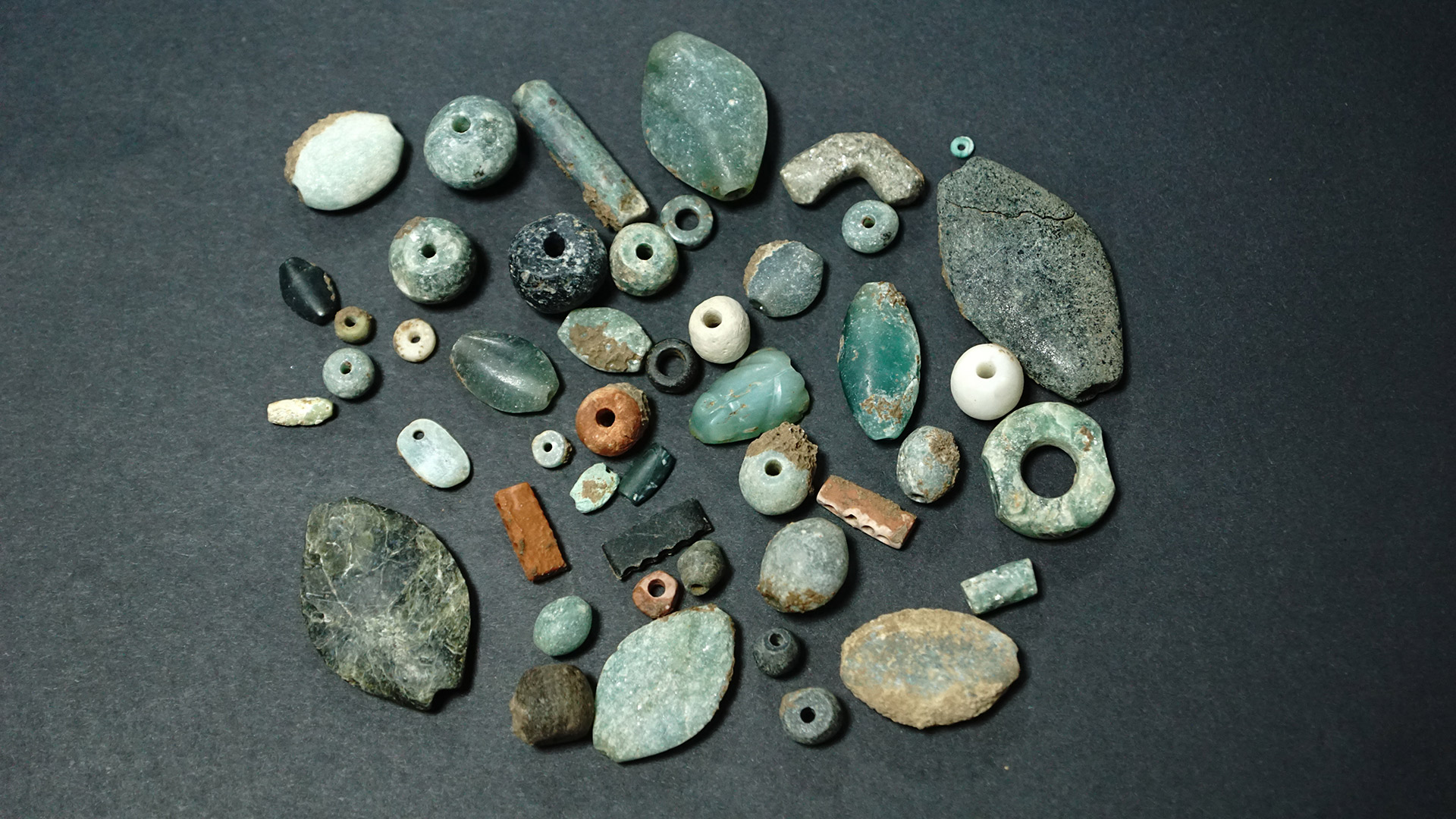
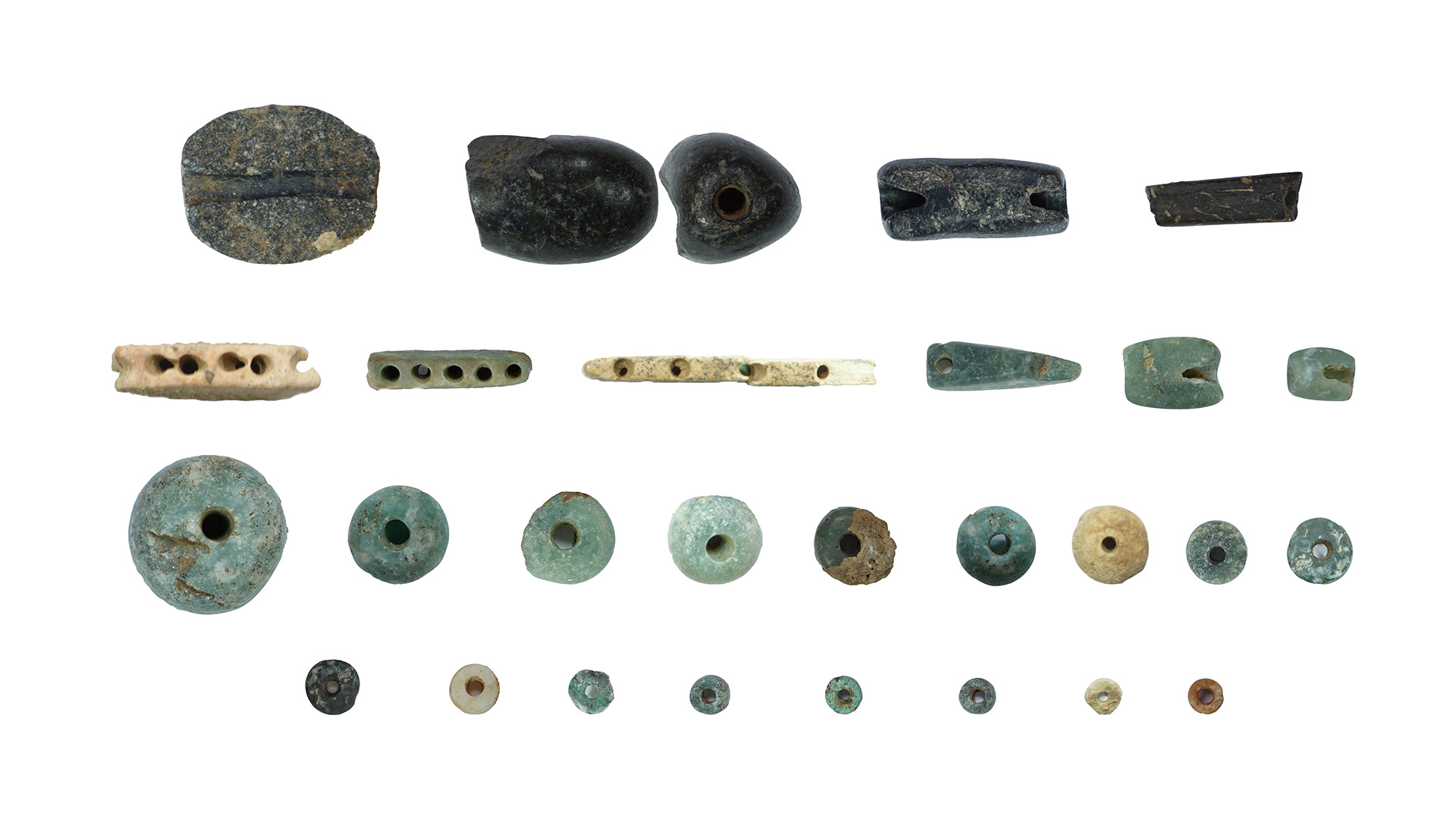
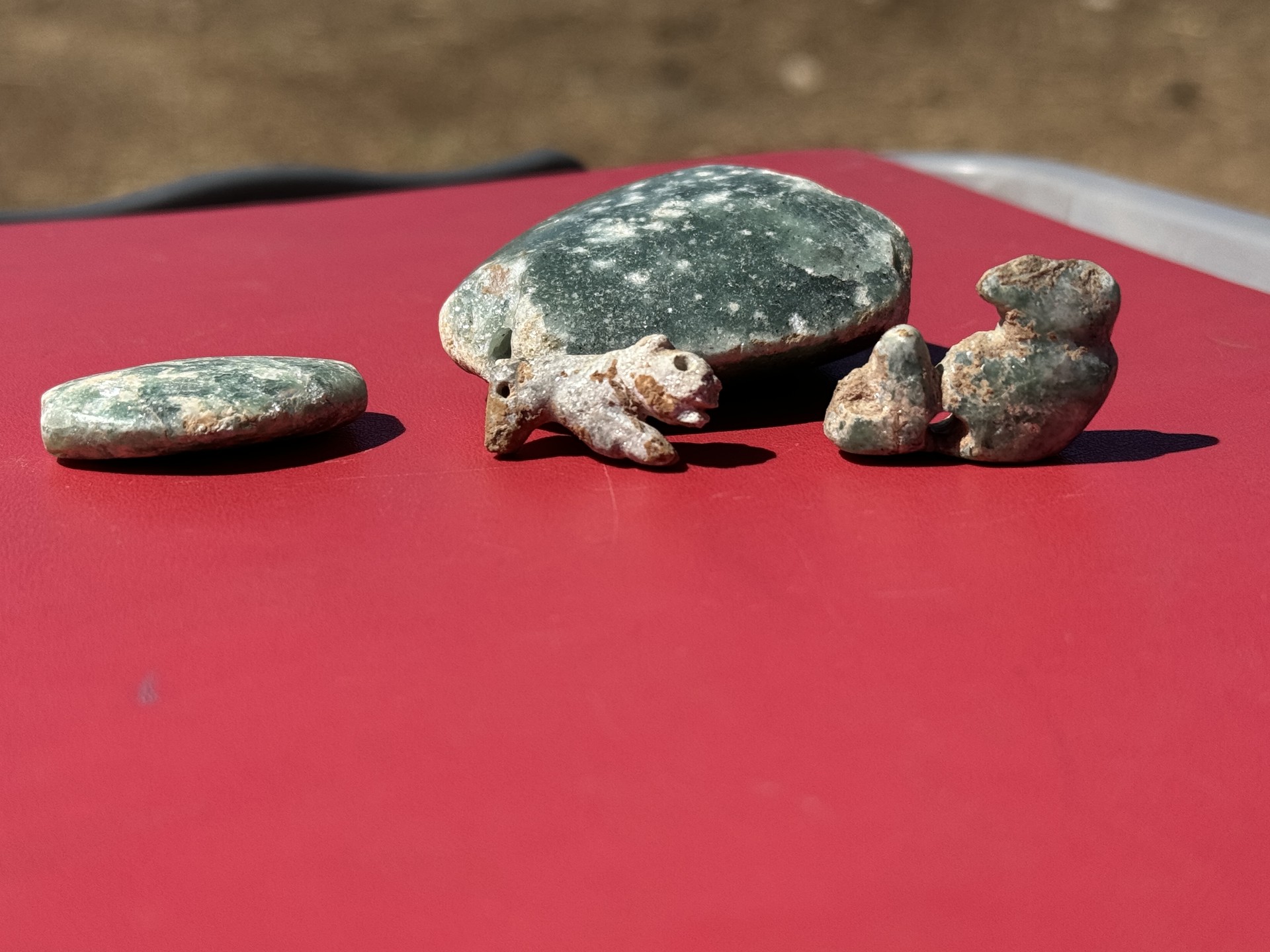
Among the artifacts, beads made from materials like jade, which is not native to the region, offer valuable insights into the artistic and cultural exchanges during the Neolithic era. Noteworthy are two beads: one depicting a leopard and another showcasing a double-sided design with vulture and human figures. Vulture and human motifs are prevalent at Karahantepe, while the leopard figure is frequently depicted on pillars and panels found at Sayburç, Karahantepe, and Göbeklitepe, highlighting Sefertepe’s connections with other Taş Tepeler locations.
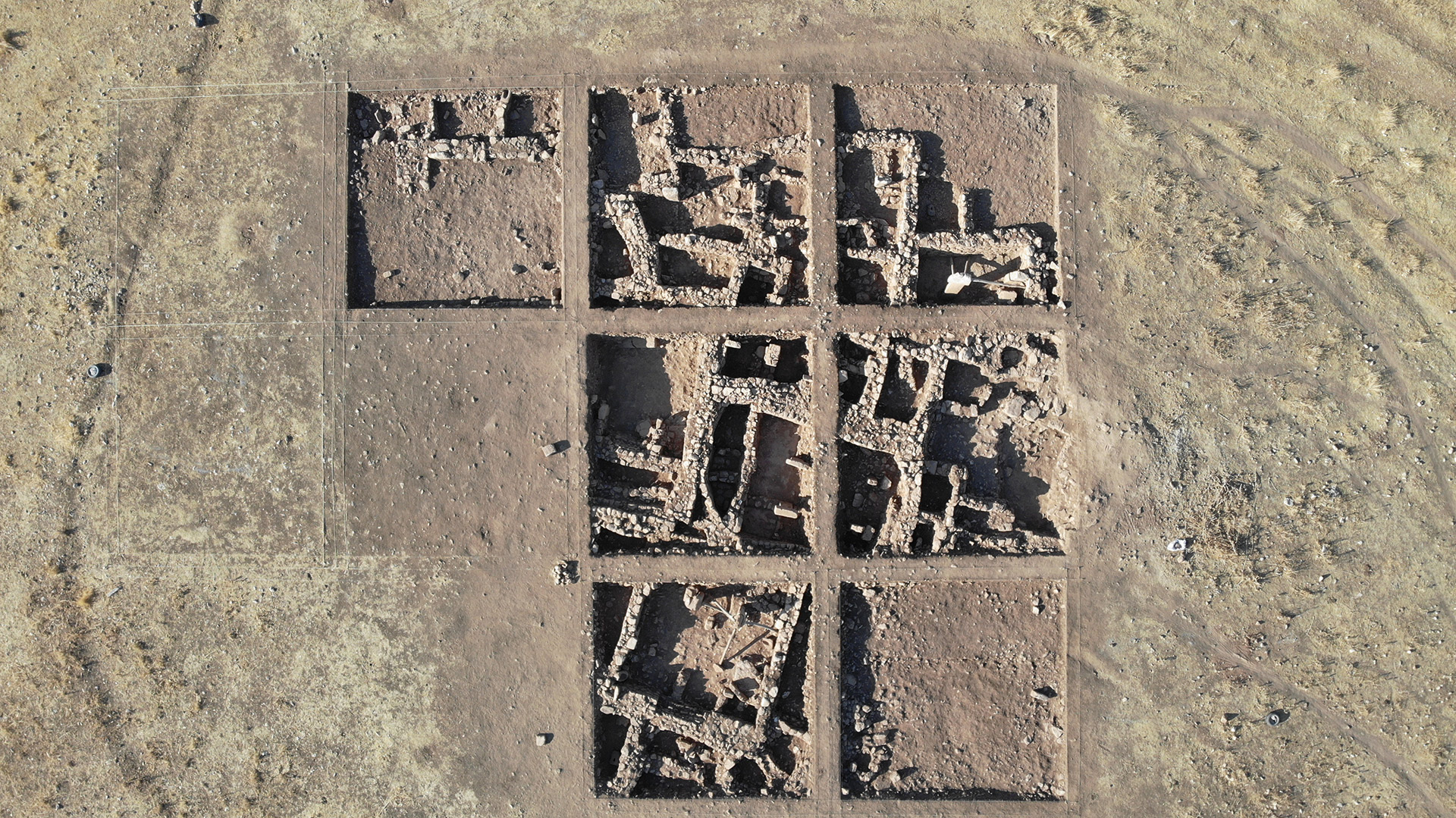
The discovery of wall sequences from earlier phases during excavations suggests that the area underwent multiple renewals and repurposings over time, indicating continuity of habitation across different periods. One of the round-planned buildings appears to have been modified into a rectangular layout during its use, and traces of a renovation phase have been identified as an additional layer on the existing floor.
Excavations continue on a building complex that expanded by connecting to other structures at Sefertepe. Most uncovered structures display a rectangular design and contain architectural features such as benches, platforms, and buttresses, with remnants of broken grinding stones integrated into the walls. The building floors are composed of a mix of lime and clay mortar, with strategically placed pillars reminiscent of those found at Göbeklitepe and Karahantepe.
Pillars are crucial at Sefertepe, mirroring their significance at other Taş Tepeler sites. Various sizes and forms of these pillars have been identified, some bearing carvings. In addition to the familiar T-shaped pillars from Göbeklitepe and Karahantepe, archaeologists have also discovered rectangular, single-sided T-shaped, and stacked pillars, alongside a unique type found in Tigris Basin settlements.